




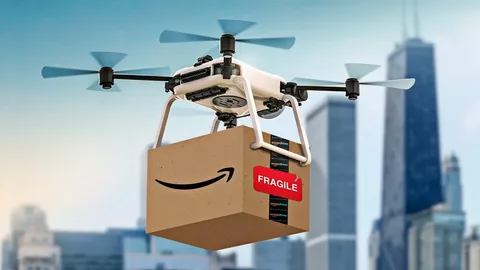
Drone technology has rapidly changed how industries operate, and logistics is one of the biggest beneficiaries. As online shopping continues to grow, customers now expect faster and more efficient delivery services. This demand has encouraged companies to explore drone parcel delivery apps as a modern solution. These apps aim to reduce delivery time, lower operational costs, and improve overall efficiency. At the same time, they introduce a new level of convenience for users who want quick and reliable service.
How Drone Delivery Systems Work
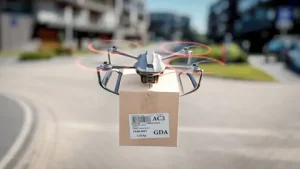
Drone delivery systems rely on a combination of GPS navigation, automation, and real-time tracking. When a customer places an order through a drone delivery app, the system assigns a drone to pick up the parcel from a warehouse or distribution center. The drone then follows a pre-planned route using GPS and onboard sensors.
Modern drones are equipped with obstacle detection systems that help them avoid buildings, trees, and other objects. Once the drone reaches the destination, it safely drops the package at a designated delivery point. Some systems use landing zones, while others use tethering mechanisms to lower parcels gently. This process reduces human involvement and speeds up last-mile delivery significantly.
Growing Demand in E-Commerce and Logistics
The rise of e-commerce has placed enormous pressure on traditional delivery networks. Customers now expect same-day or even same-hour delivery in many cases. Drone parcel delivery apps help meet this demand by bypassing traffic congestion and reducing delivery delays.
As cities become more crowded, road-based delivery vehicles face increasing challenges. Drones offer a smart alternative by operating in the air, which remains largely uncongested. This makes them especially valuable for urgent deliveries such as medical supplies, food orders, and essential goods.
Key Players Driving Drone Delivery Growth
Several major companies are actively investing in drone delivery technology. Global tech giants and logistics firms are testing advanced systems to make drone delivery scalable and reliable. At the same time, startups are introducing innovative models that focus on speed, cost efficiency, and specialized services.
Collaborations between technology companies, retailers, and logistics providers are also shaping the industry. These partnerships help improve infrastructure, expand delivery zones, and refine operational efficiency. As competition grows, innovation continues to accelerate across the sector.
Benefits of Drone Parcel Delivery Apps
Drone delivery apps offer several important advantages.
- First, they significantly reduce delivery time by avoiding road traffic. This allows packages to reach customers much faster than traditional methods.
- Second, they help reduce operational costs in the long term. Although initial investment in drone technology is high, automation reduces the need for large delivery fleets and human labor.
- Third, drones contribute to environmental sustainability. Most drones run on electric power, which reduces carbon emissions compared to fuel-based delivery vehicles. They also help decrease road congestion, making urban transportation more efficient overall.
- Finally, drone delivery improves accessibility. Remote and hard-to-reach areas can receive essential goods without relying on complex road infrastructure.
Challenges Facing Drone Delivery Systems
Despite their advantages, drone delivery apps face several challenges. One major issue is regulatory approval. Aviation authorities in many countries are still developing rules for commercial drone operations. These regulations often include restrictions on flight zones, altitude, and payload limits.
Safety is another important concern. Drones must operate without risking accidents or property damage. Advanced sensors and AI systems help reduce these risks, but perfect safety is still a work in progress.
Privacy concerns also play a role. Some people worry about drones flying over private property and capturing images or data unintentionally. Addressing these concerns is essential for public acceptance. Weather conditions can also affect drone performance. Strong winds, heavy rain, or storms can limit flight operations and reduce reliability in certain regions.
Technological Advancements in Drone Delivery
Technology is rapidly improving the capabilities of delivery drones. Modern drones now feature longer battery life, improved payload capacity, and smarter navigation systems. Artificial intelligence plays a major role in optimizing delivery routes and avoiding obstacles in real time.
Some advanced drones can even adjust their routes dynamically based on weather conditions or air traffic updates. These innovations are making drone delivery more practical and scalable for large-scale use.
Real-World Applications and Use Cases
Drone delivery is already being used in several real-world scenarios. In urban areas, companies have successfully delivered food, groceries, and small packages using drones. This shows the potential for everyday commercial use.
In healthcare, drones are especially valuable. They are used to transport medical supplies, vaccines, and emergency equipment to remote or disaster-affected regions. This can save lives by reducing delivery time in critical situations.
Agriculture is another growing area for drone applications. Farmers use drones to deliver seeds, fertilizers, and monitoring tools across large fields, improving productivity and efficiency.
The Future of Drone Delivery Apps
The future of drone parcel delivery apps looks promising. As regulations become clearer and technology improves, drones are expected to become a regular part of urban logistics systems. Companies are working toward fully automated delivery networks where drones operate seamlessly alongside traditional transportation methods.
In the coming years, we may see drones integrated into smart city infrastructure. They could handle everything from grocery deliveries to emergency response support. With AI-driven logistics systems, delivery processes will become faster, safer, and more efficient.
Conclusion
Drone parcel delivery apps represent a major shift in the logistics industry. They combine speed, automation, and sustainability to create a modern delivery solution. While challenges remain, ongoing innovation continues to push the industry forward.
As technology evolves, drone delivery is likely to become a common part of daily life, changing how goods are transported and delivered across the world.