




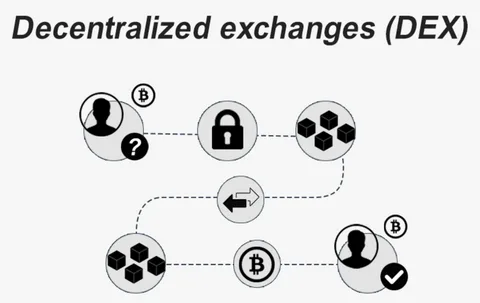
Decentralized exchanges are reshaping how digital assets are traded by removing intermediaries and enabling direct peer-to-peer transactions through blockchain-based protocols. For startups entering the Web3 space, building a decentralized exchange is both a strategic opportunity and a technical challenge that demands clarity, security, and scalability. This guide explores every critical aspect of decentralized exchange development, offering a structured and practical understanding of how startups can approach architecture, features, compliance, and growth while leveraging Decentralized Exchange Software Development Services effectively.
Understanding Decentralized Exchanges (DEXs)
Decentralized exchanges represent a shift from traditional financial systems toward user-controlled trading environments powered by blockchain technology. For startups, understanding how these platforms function is essential before moving into development. A clear grasp of decentralized infrastructure, smart contract execution, and user autonomy helps in designing systems that align with market expectations. By leveraging Decentralized Exchange Software Development Services, businesses can better translate these concepts into scalable platforms that prioritize transparency, efficiency, and long-term reliability.
- Peer-to-peer trading architecture
DEXs eliminate intermediaries by enabling direct interaction between buyers and sellers. Smart contracts handle trade execution, ensuring transparency and reducing reliance on third parties. This structure enhances user autonomy and aligns with the principles of blockchain decentralization. - Non-custodial asset management
Users maintain control over their private keys and funds, reducing risks associated with centralized custody breaches. This approach builds trust among users who prioritize security and ownership of digital assets. - Transparency through blockchain technology
Every transaction is recorded on a public ledger, allowing verification and auditability. This transparency strengthens credibility and reduces disputes, which is essential for startup-led platforms seeking early adoption. - Permissionless access and global reach
Anyone with a compatible wallet can access a DEX without undergoing extensive onboarding procedures. This inclusivity enables startups to tap into a global user base without traditional barriers.
Types of Decentralized Exchanges
Different decentralized exchange models offer varied approaches to liquidity, pricing, and trade execution. Startups must evaluate these models carefully to determine which aligns best with their technical resources and business strategy. Each type comes with its own advantages and trade-offs in terms of scalability, efficiency, and user experience. Choosing the right model becomes easier when supported by Decentralized Exchange Software Development Services, which provide technical insights and implementation expertise tailored to specific project goals.
- Automated Market Makers (AMMs)
AMMs use liquidity pools instead of order books to facilitate trading. Users trade against pooled assets, and prices are determined algorithmically. This model simplifies liquidity management and is widely adopted in modern DEX platforms. - Order book-based DEXs
These platforms replicate traditional exchange mechanisms using on-chain or off-chain order books. They offer precise price control but may face scalability challenges depending on implementation. - Hybrid DEX models
Hybrid exchanges combine centralized efficiency with decentralized security. They often use off-chain matching engines with on-chain settlement, offering improved speed while maintaining transparency. - Aggregator platforms
DEX aggregators source liquidity from multiple exchanges to provide the best trade execution. This model enhances user experience by optimizing pricing and reducing slippage.
Core Features of a Successful DEX
Building a successful decentralized exchange requires more than basic trading functionality. Startups must focus on integrating features that improve usability, ensure security, and support long-term growth. These features directly influence how users interact with the platform and how effectively the exchange operates under varying market conditions. By adopting Decentralized Exchange Software Development Services, startups can implement robust systems that combine technical precision with user-centric design, resulting in a more competitive and reliable platform.
- Smart contract integration
Smart contracts automate trading, liquidity provision, and fee distribution. They must be thoroughly audited to prevent vulnerabilities and ensure seamless operations. - Liquidity management system
Efficient liquidity pools are essential for minimizing slippage and maintaining trading activity. Incentive mechanisms such as rewards encourage users to contribute liquidity. - User-friendly interface
A clean and intuitive interface reduces entry barriers for new users. Clear navigation, real-time data, and responsive design improve engagement and retention. - Wallet integration and compatibility
Supporting multiple wallets ensures accessibility for a broader audience. Smooth wallet connectivity enhances the overall trading experience.
Technology Stack for DEX Development
The technology stack forms the backbone of any decentralized exchange, influencing its performance, scalability, and adaptability. Startups need to carefully select blockchain networks, development frameworks, and supporting tools that align with their operational goals. A well-structured stack ensures efficient execution and easier maintenance over time. Leveraging Decentralized Exchange Software Development Services enables startups to build a strong technical foundation while minimizing development risks and ensuring compatibility with evolving blockchain ecosystems.
- Blockchain protocols
Selecting a suitable blockchain impacts transaction speed, fees, and scalability. Popular choices include Ethereum-compatible networks and Layer 2 solutions for cost efficiency. - Smart contract frameworks
Development frameworks streamline coding and testing processes. Secure and optimized smart contracts form the backbone of any decentralized exchange. - Frontend and backend infrastructure
Modern frontend frameworks ensure responsive design, while backend systems handle indexing and analytics. A balanced architecture improves system reliability. - Security tools and auditing processes
Security testing tools and third-party audits are essential to identify vulnerabilities. Continuous monitoring helps maintain platform integrity over time.
Steps to Build a Decentralized Exchange
Developing a decentralized exchange involves multiple stages that require careful planning and execution. Startups must adopt a structured approach to ensure that each phase, from ideation to deployment, is handled efficiently. Clear workflows reduce development delays and improve overall project outcomes. With the support of Decentralized Exchange Software Development Services, startups can streamline these processes and focus on delivering a secure and scalable trading platform that meets user expectations.
- Define business objectives and target audience
Identifying the target market helps shape features and user experience. Clear objectives guide development priorities and resource allocation. - Design system architecture
A scalable and modular architecture supports future upgrades. Proper planning reduces technical debt and ensures smoother deployment. - Develop and test smart contracts
Smart contracts must undergo rigorous testing to ensure accuracy and security. Simulation environments help identify potential issues before launch. - Launch and maintain the platform
Post-launch support includes updates, bug fixes, and performance optimization. Continuous improvement is essential for long-term success.
Security Considerations in DEX Development
Security remains a critical concern in decentralized exchange development due to the financial nature of these platforms. Startups must implement strong security measures to protect user assets and maintain trust. From smart contract audits to continuous monitoring, every layer of the system must be designed with risk mitigation in mind. By utilizing Decentralized Exchange Software Development Services, startups can address potential vulnerabilities and build a resilient platform capable of handling real-world threats.
- Smart contract vulnerabilities
Bugs or exploits in smart contracts can lead to significant financial losses. Regular audits and code reviews are essential to mitigate risks. - Liquidity pool risks
Impermanent loss and manipulation attacks can affect liquidity providers. Transparent mechanisms and user education help address these concerns. - User authentication and wallet security
Ensuring secure wallet connections prevents unauthorized access. Multi-layered security measures enhance user confidence. - Continuous monitoring and upgrades
Ongoing monitoring helps detect suspicious activities. Regular updates ensure the platform remains secure against emerging threats.
Regulatory and Compliance Factors
Regulatory considerations play an important role in shaping how decentralized exchanges operate across different regions. Startups must stay informed about evolving legal frameworks to ensure compliance and avoid potential risks. Understanding these requirements helps in building a sustainable and legally sound platform. With the guidance of Decentralized Exchange Software Development Services, startups can align their operations with regulatory expectations while maintaining the decentralized nature of their platforms.
- Understanding jurisdictional regulations
Different regions have varying rules for crypto trading platforms. Compliance ensures legal operation and reduces risks. - KYC and AML considerations
While DEXs are typically permission less, integrating optional compliance features can attract institutional users. - Data privacy and protection
Protecting user data builds trust and aligns with global standards. Transparent policies enhance credibility. - Legal structuring and risk management
Proper legal frameworks help startups manage liabilities and ensure operational stability.
Benefits of Decentralized Exchange Development for Startups
Decentralized exchange development offers several advantages that can help startups establish a strong presence in the blockchain ecosystem. These benefits go beyond cost savings, influencing user trust, scalability, and innovation. Startups that invest in well-designed platforms can create long-term value and competitive differentiation. By leveraging Decentralized Exchange Software Development Services, businesses can unlock these benefits while ensuring efficient execution and sustainable growth.
- Enhanced user trust and transparency
Decentralization fosters trust by eliminating intermediaries. Users value platforms that prioritize control and openness. - Global accessibility and scalability
DEXs enable access to international markets without traditional restrictions. This expands growth opportunities significantly. - Lower operational costs
Automation reduces reliance on manual processes, lowering overhead expenses. Efficient systems improve profitability. - Innovation and competitive differentiation
Unique features and tokenomics can set a startup apart. Innovation drives adoption and long-term success.
Conclusion
Decentralized exchange development provides startups with a pathway to build secure, transparent, and scalable trading platforms that align with the evolving blockchain landscape. By focusing on strong architecture, user-centric features, security practices, and regulatory awareness, businesses can position themselves for long-term success. Leveraging Decentralized Exchange Software Development Services further enhances development efficiency and ensures that startups are equipped to meet market demands while maintaining trust and innovation.