



The handyman industry is currently experiencing a digital revolution by developing Handyman App. In 2026, the “do-it-yourself” era has largely transitioned into the “do-it-for-me” economy. Homeowners today aren’t just looking for someone who can fix a leaky faucet; they are looking for a seamless, tech-driven experience that fits into their busy lives. Custom app development has become the ultimate tool for entrepreneurs to bridge the gap between skilled labor and modern consumer expectations.
Whether you are starting from scratch or taking an established local business digital, this guide breaks down how to build a platform that stands out in a crowded market.
Understanding the 2026 Handyman Market
The market for home services is booming. With the rise of the gig economy and a shift toward “smart homes,” the demand for reliable professionals is at an all-time high.
Consumer Expectations
Modern customers treat home repairs like food delivery. They expect transparency, speed, and reliability. If they can’t see a price estimate, read a verified review, or track their pro’s arrival in real-time, they will likely move on to the next app. Trust is the primary currency here; your app must prove it is safe to let a stranger into a home.
Market Opportunities
While giants like TaskRabbit and Thumbtack exist, the opportunity in 2026 lies in niche specialization. Custom apps that focus on specific areas—like eco-friendly home upgrades, smart-home installations, or senior-living accessibility modifications—are finding massive success by catering to specific user needs.
Non-Negotiable Features for Success
To compete in 2026, your app needs to be more than just a digital phonebook. It needs to be a comprehensive service ecosystem.
-
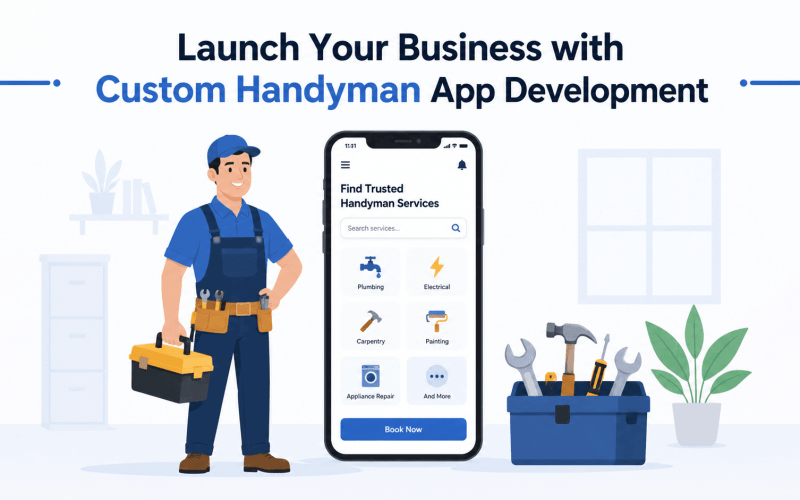
Intuitive User Interface: Your design should be as clean as a freshly renovated kitchen. Users should be able to book a service in three taps or less.
-
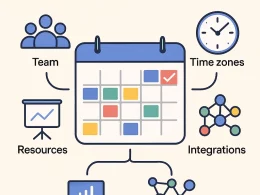
Smart Scheduling Tools: Integrate a dynamic calendar that allows for instant booking, rescheduling, and recurring maintenance visits.
-
Secure Multi-Channel Payments: Offer everything from credit cards and digital wallets to “Buy Now, Pay Later” (BNPL) options for larger projects like deck repairs or painting.
-
Live Tracking and ETA: Provide peace of mind with real-time GPS tracking. Knowing exactly when the handyman will pull into the driveway eliminates the “four-hour arrival window” frustration.
-
Verified Review System: Implement a robust rating system where users can upload photos of the completed work. This builds an authentic community of trust.
The Power of Going Custom
Why build a custom app instead of using a white-label template? The answer lies in scalability and branding.
Tailored Solutions
Custom development allows you to build features that match your specific workflow. If your business specializes in emergency 24/7 repairs, you can build an “SOS” button that prioritizes urgent dispatches.
Data-Driven Growth
A custom platform gives you total ownership of your data. By analyzing which services are most requested in specific zip codes, you can adjust your marketing spend or hire more specialists in those areas. It turns your app into a strategic business intelligence tool.
Navigating the Development Process
Building an app is a journey from a rough sketch to a polished product.
-
Planning and Research: Define your MVP (Minimum Viable Product). What is the one problem you solve better than anyone else?
-
Prototyping: Create “wireframes” to visualize the user journey. It is much cheaper to fix a design flaw in a drawing than in the final code.
-
The Build (Coding): Your developers will build the frontend (what users see) and the backend (where the data lives). In 2026, it’s vital to build for both iOS and Android simultaneously using frameworks like Flutter or React Native.
-
Rigorous Testing: Don’t just test if buttons work. Test for “edge cases”—what happens if the internet cuts out during a payment? Your QA team should try to “break” the app before a customer does.
Effective Marketing Strategies
Once the app is live, you need to find your fans.
-
Hyper-Local SEO: Optimize your web presence so that when someone searches “handyman near me,” your app’s landing page is the first result.
-
Social Proof and Content: Use platforms like Instagram and TikTok to show “Before and After” transformations. Video content of a pro solving a common household problem builds immense credibility.
-
Referral Loops: Incentivize your current users to invite their neighbors. A “Give $20, Get $20” program is often more effective than traditional cold advertising.
Future Trends: AI and Beyond
The next frontier of handyman apps is Predictive Maintenance. Imagine an app that uses AI to analyze the age of a user’s HVAC system and suggests a tune-up before it breaks during a heatwave.
Additionally, Augmented Reality (AR) is becoming a staple. Users can hold their phone up to a broken cabinet, and the app uses the camera to measure the dimensions and provide an instant, accurate quote for the repair.
Conclusion
Building a custom handyman app in 2026 is about more than just code; it’s about building a bridge of trust between homeowners and professionals. By focusing on a user-centric design, leveraging real-time data, and staying ahead of technological trends like AI, you can transform a traditional trade into a cutting-edge digital powerhouse. The tools are ready—it’s time to start building.