




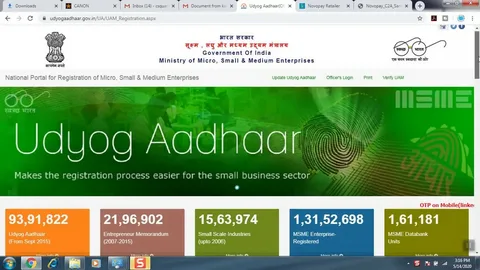
However, the system has now been replaced with a more advanced and simplified framework known as Udyam Registration. This new system is fully digital, self-declaratory, and integrated with government databases.
If your business is still registered under Udyog Aadhaar Memorandum (UAM), it is important to understand the process of migrating to Udyam Registration in 2026. This transition ensures continued access to government benefits and financial support.
What Is Udyam Registration?
Udyam Registration is the official MSME registration system introduced by the Ministry of Micro, Small and Medium Enterprises in India. It provides a unique identification number and a digital certificate for businesses.
Once registered, an enterprise becomes officially recognized under the MSME category. This recognition helps businesses access government schemes, subsidies, and financial assistance more easily. Unlike the older system, Udyam Registration is fully paperless. It uses Aadhaar, PAN, and GST integration to simplify the verification process and reduce manual documentation.
Process to Migrate Udyog Aadhaar to Udyam Registration
Migrating from Udyog Aadhaar to Udyam Registration is a simple online process. Follow the steps carefully to ensure a smooth transition.
Step 1: Visit the Official Udyam Portal
First, open the official Udyam Registration portal. Make sure you are using the correct government website to avoid errors or fraud.
Step 2: Select the Migration Option
On the homepage, choose the option “UAM Migration to Udyam Registration.” This option is specifically for businesses already registered under the old Udyog Aadhaar system.
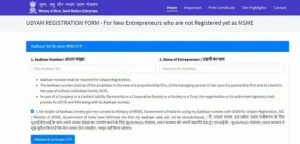
Step 3: Enter Udyog Aadhaar Details
Next, enter your existing Udyog Aadhaar Number (UAM). After that, select the OTP verification option to proceed.
Click on “Validate & Generate OTP” to continue.
Step 4: OTP Verification
An OTP will be sent to your registered mobile number or email ID. Enter the OTP correctly to verify your identity.
This step ensures that only authorized users can access and migrate business details.
Step 5: Confirm Migration Request
Once OTP verification is successful, select “Yes” to confirm migration. Then click on the “Migrate” option to proceed further.
Step 6: PAN Verification Process
After migration confirmation, you will need to complete PAN verification. Enter your organisation type, PAN number, PAN holder name, and date of incorporation. Make sure all details match official records.
Click on “PAN Validate” to proceed.
Step 7: Enter Business Information
Once PAN verification is successful, a new form will open. Here, you must fill in detailed business information. This includes GST details, investment and turnover data, bank account details, contact information, and business activities.
Enter all information carefully, as incorrect data may delay approval.
Step 8: Submit the Application
After completing all details, you will receive another OTP on your registered mobile number. Enter it for final verification.
Click on “Final Submit” to complete the application process.
Step 9: Receive Udyam Registration Certificate
Once submission is successful, your Udyam Registration Number will be generated instantly. You can download your Udyam Certificate directly from the portal. This certificate serves as official proof of MSME registration.
Documents Required for Udyam Registration
Although the process is fully digital, you still need some basic information to complete registration.
You will require:
- PAN card details
- GSTIN (if applicable)
- Aadhaar-linked mobile number
- Business address details
- Bank account information
- Business activity and investment details
Having these ready ensures a smooth registration process.
Why Was Udyog Aadhaar Replaced?
The Udyog Aadhaar system was helpful, but it had limitations in terms of verification and data accuracy. To improve efficiency, the government introduced Udyam Registration.
The new system offers several advantages:
- It is fully paperless and online
- It uses Aadhaar and PAN-based verification
- It integrates with GST and income tax databases
- It improves accuracy in MSME classification
- It simplifies access to government schemes
Overall, it creates a more transparent and reliable system for businesses.
Is Udyam Re-Registration Mandatory in 2026?
Yes, businesses registered under Udyog Aadhaar are required to migrate to Udyam Registration. Without migration, businesses may face difficulties in accessing MSME benefits such as loans, subsidies, tenders, and government schemes.
Banks and financial institutions also prefer updated Udyam Certificates for processing applications. Therefore, completing the migration is essential for continued support and recognition.
Benefits of Udyam Registration
Udyam Registration provides several long-term benefits for MSMEs in India.
Access to Government Schemes
Registered businesses can easily apply for various central and state government schemes designed to support MSME growth.
Easier Loan Approvals
Banks and financial institutions prefer Udyam-registered businesses. This improves chances of getting MSME loans and credit facilities.
Participation in Government Tenders
Udyam Registration allows MSMEs to participate in government procurement and tender opportunities with added advantages.
Protection Against Delayed Payments
Registered MSMEs can seek legal protection under delayed payment regulations. This ensures better cash flow management.
Subsidies and Incentives
Businesses may also qualify for subsidies related to technology upgrades, quality certifications, exports, and patent registration.
Conclusion
Migrating from Udyog Aadhaar to Udyam Registration in 2026 is an important step for every MSME in India. The new system ensures better transparency, faster processing, and wider access to government benefits.
It also strengthens business credibility and improves financial opportunities. With a fully digital and simplified process, Udyam Registration makes compliance easier than ever. If your business is still under the old system, completing the migration should be a priority. It ensures uninterrupted access to schemes, loans, and growth opportunities. By updating your registration today, you secure a stronger future for your business in India’s growing MSME ecosystem.