



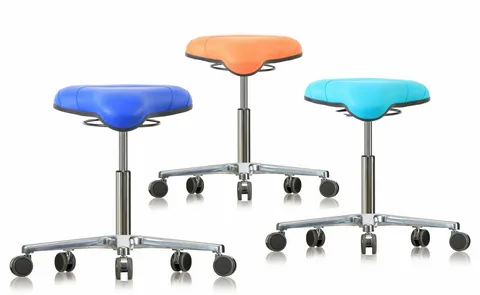
When you design or maintain a controlled environment, every detail matters. From air filtration systems to employee garments, each component contributes to contamination control. However, one essential item often overlooked is the seating used inside the cleanroom. Standard office chairs can release particles, trap contaminants, and compromise sensitive operations. That is why cleanroom chairs are critical for maintaining a sterile and compliant workspace.
Whether you operate a pharmaceutical lab, semiconductor facility, biotechnology workspace, or electronics manufacturing area, selecting the right seating directly affects cleanliness, worker safety, and operational efficiency.
Role of Cleanroom Chairs
Cleanrooms are highly controlled environments designed to minimize airborne particles, microbes, and chemical vapors. In these spaces, contamination can damage products, interrupt research, or lead to regulatory failures.
Traditional chairs are not built for these conditions. They may shed fibers, accumulate dust, or use materials that degrade under repeated sanitization. In contrast, specialized cleanroom seating is engineered to reduce particle generation and support strict cleanliness standards.
High-quality cleanroom chairs for contamination-sensitive laboratory environments are manufactured using smooth, non-porous surfaces and durable materials that resist contamination buildup.
Standard Chairs Increase Contamination Risks
Using regular office furniture in a cleanroom creates several contamination hazards. Fabric upholstery can trap particles, while exposed foam cushions may release fibers into the air. Moving components can also generate friction particles that compromise air quality.
These risks become especially serious in industries where microscopic contamination can ruin products or affect experimental accuracy.
Here are common issues associated with standard seating:
- Particle shedding from fabric and foam
- Dust accumulation in seams and crevices
- Difficulty sanitizing porous materials
- Corrosion from harsh cleaning chemicals
- Electrostatic discharge that damages electronics
When contaminants spread through the workspace, you may face increased product rejection rates, equipment damage, and compliance issues.

Features That Make Cleanroom Chairs Effective
Specialized cleanroom seating is engineered to support contamination control while maintaining operator comfort. Every design element serves a purpose in minimizing particle release and simplifying maintenance.
Non-Porous Materials
Cleanroom chairs commonly use vinyl, polyurethane, or stainless steel surfaces. These materials resist moisture absorption and allow easy cleaning with disinfectants.
Minimal Particle Generation
Smooth surfaces and sealed edges reduce the risk of particle shedding. High-quality chairs also include protected mechanical components that limit debris from movement.
Chemical Resistance
Cleanrooms require frequent sanitation. Specialized seating withstands repeated exposure to cleaning agents without cracking, peeling, or corroding.
Ergonomic Support
Operators often spend long hours performing detailed tasks. Ergonomic cleanroom chairs reduce fatigue, improve posture, and help employees maintain productivity.
ESD Protection
Cleanroom Chairs Improve Regulatory Compliance
Many industries must comply with strict cleanliness and safety standards. Regulatory agencies and quality control auditors evaluate whether your facility uses appropriate equipment for contamination-sensitive processes.
Improper seating can negatively impact compliance with standards such as:
- ISO cleanroom classifications
- GMP guidelines
- FDA regulations
- Semiconductor manufacturing protocols
Using purpose-built cleanroom seating demonstrates your commitment to maintaining controlled conditions. It also helps reduce contamination incidents that may trigger costly inspections or operational delays.
Employee Comfort Also Matters
Contamination control is not the only reason cleanroom chairs are important. Employee comfort significantly affects work quality and consistency.
When operators experience discomfort, fatigue increases and focus decreases. Workers may move excessively, creating additional particle disturbance within the cleanroom. Ergonomic seating supports better posture and reduces unnecessary movement.
Features such as adjustable height, lumbar support, foot rings, and flexible positioning help employees work more efficiently during extended shifts. By investing in ergonomic seating, you improve both contamination control and workforce productivity.
Right Cleanroom Chair for Your Facility
Not all cleanroom environments have the same requirements. Before selecting seating, evaluate your operational needs carefully.
Consider the following factors:
Cleanroom Classification
Type of Work Performed
Laboratory testing, electronics assembly, and pharmaceutical production may each require unique chair features.
Cleaning Procedures
Choose chairs that can tolerate your facility’s cleaning chemicals and sanitation frequency.
Mobility Requirements
Some applications benefit from stationary chairs, while others require caster wheels for mobility.
Static Control Needs
If you handle sensitive electronics, ESD-safe seating is essential.
Reliable cleanroom chairs designed for sterile manufacturing and laboratory operations can help you maintain cleanliness while improving operator performance.
Long-Term Cost Benefits
Although cleanroom chairs may cost more initially than standard office seating, they often reduce long-term expenses.
Specialized seating lasts longer in demanding environments and minimizes contamination-related losses. You also reduce maintenance costs because these chairs are easier to clean and resist chemical damage.
The long-term benefits include:
- Lower contamination risks
- Reduced equipment downtime
- Improved product quality
- Fewer replacements
- Better regulatory compliance
Investing in proper cleanroom furniture supports operational stability and protects sensitive processes.
Final Thoughts
Cleanroom chairs play a far greater role than simple workplace seating. They help control airborne particles, support sanitation efforts, improve employee comfort, and maintain compliance with industry standards.
Using standard office chairs inside controlled environments can introduce contaminants that compromise product quality and operational reliability. Purpose-built cleanroom seating reduces these risks while creating a safer and more efficient workspace.
If you want to improve contamination control and optimize your cleanroom environment, explore high-performance seating solutions designed specifically for sensitive applications. Contact us today for advanced cleanroom chair solutions tailored to your facility needs.