






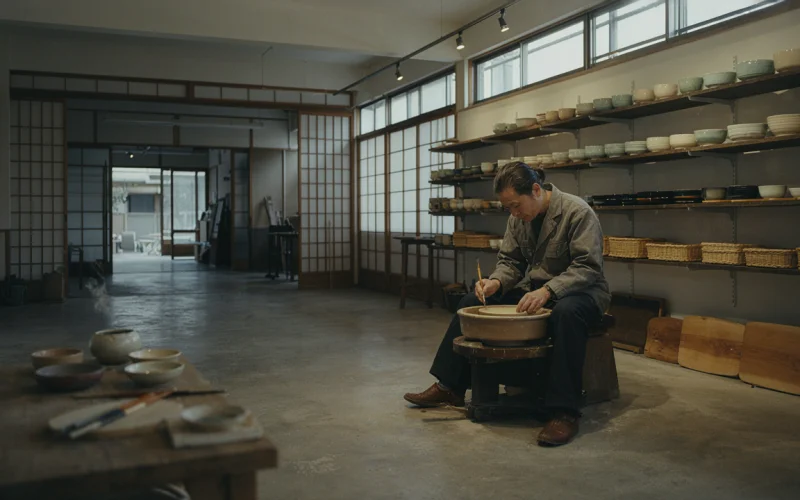
Tokyo is often celebrated for its dazzling skyline, cutting-edge technology, and bustling shopping districts. Yet beneath the city’s modern image lies a centuries-old world where master artisans continue to preserve techniques passed down through generations. These dedicated craftsmen, known as shokunin, represent the heart of Japanese craft heritage, creating everything from delicate washi paper and handcrafted knives to lacquerware and ceramics with extraordinary precision.
For travelers looking beyond famous landmarks, experiencing authentic shokunin traditions offers an unforgettable way to connect with Japan’s cultural soul. Whether you’re joining a workshop, watching a master at work, or purchasing a handcrafted souvenir, you’ll gain a deeper appreciation for the skill, patience, and philosophy behind every creation.
This guide introduces some of Tokyo’s finest craft experiences to help you explore Japan’s artisan culture in an authentic and meaningful way.
Understanding the Spirit of Shokunin
The word shokunin means “craftsman,” but its meaning extends far beyond technical expertise. A shokunin dedicates years—often decades—to mastering a single craft while continually striving for improvement. Their work reflects discipline, humility, and respect for both tradition and the people who use their creations.
Rather than focusing solely on perfection, shokunin embrace continuous learning. Every handmade object carries a story of countless hours of practice and attention to detail. This philosophy has helped preserve Japanese craft heritage even as Japan has embraced rapid modernization.
Visitors quickly notice that each handcrafted item, whether a kitchen knife or a tea bowl, is made with remarkable care and a commitment to quality that machines simply cannot replicate.
Where to Experience Authentic Shokunin Traditions in Tokyo
Tokyo is home to numerous historic neighborhoods where traditional crafts continue to thrive.
Asakusa
One of Tokyo’s oldest districts, Asakusa is famous for preserving traditional culture. Here you’ll discover workshops producing handmade fans, carved wooden goods, paper lanterns, and beautifully crafted combs. Many artisans welcome visitors to observe their work and explain their techniques.
Kappabashi Kitchen Town
Known as Tokyo’s culinary shopping street, Kappabashi is also a fantastic place to witness knife makers and kitchen tool specialists. Many stores demonstrate sharpening techniques while explaining the craftsmanship behind Japan’s world-renowned blades.
Yanaka
Unlike central Tokyo’s busy commercial areas, Yanaka retains a nostalgic atmosphere. Small family-run studios produce ceramics, textiles, woodblock prints, and handcrafted accessories using techniques that have remained largely unchanged for generations.
Each neighborhood offers a different perspective on authentic shokunin traditions, making every visit unique.
Join Hands-On Workshops with Local Artisans
Watching a master craftsman is fascinating, but participating in a workshop creates an even deeper cultural experience.
Many Tokyo studios welcome beginners to learn traditional techniques in small classes. Popular experiences include:
- Japanese pottery and ceramic painting
- Indigo dyeing (Aizome)
- Traditional woodblock printing
- Washi paper making
- Chopstick carving
- Gold leaf decoration
- Kintsugi (repairing ceramics with gold)
These workshops provide far more than a souvenir. Participants gain insight into the patience, focus, and respect that define Japanese craftsmanship.
Artisans often share personal stories about their family businesses and explain how they balance preserving traditional methods while adapting to modern lifestyles. These conversations help visitors truly explore Japan’s artisan culture beyond surface-level sightseeing.
Meet the Masters Behind Japan’s Finest Handmade Goods
One of the greatest rewards of seeking out artisan experiences is meeting the people themselves.
Many workshops have remained within the same family for several generations. Some craftsmen began learning from parents or grandparents during childhood and continue refining their skills decades later.
Rather than mass-producing products, these artisans create small quantities, carefully inspecting every piece before it reaches customers. Their commitment reflects the shokunin belief that every object deserves equal attention regardless of its size or price.
Visitors often discover that artisans enjoy discussing their work and appreciate genuine curiosity. Asking respectful questions allows travelers to understand not only how items are made but also why preserving Japanese craft heritage remains so important today.
Purchasing directly from these workshops also helps support local communities and ensures these traditional skills continue for future generations.
Choosing Authentic Handmade Souvenirs
Many travelers hope to bring home something truly representative of Japan. Handmade crafts provide meaningful alternatives to mass-produced gifts.
Popular artisan-made souvenirs include:
- Hand-forged kitchen knives
- Traditional tea cups and pottery
- Lacquerware bowls
- Hand-dyed textiles
- Bamboo baskets
- Wooden stationery
- Japanese brushes
- Handmade incense holders
When shopping, look for stores where artisans explain the production process or display their workshops. Genuine handmade products often feature slight natural variations, making each item unique rather than identical.
Instead of simply buying an object, you’re taking home part of Japan’s cultural history and supporting the continuation of authentic shokunin traditions.
Tips for Respectfully Exploring Japan’s Artisan Culture
A few simple etiquette practices help create positive experiences when visiting artisan workshops.
Always ask permission before taking photographs, especially if craftsmen are actively working. Many workshops welcome photography, while others prefer visitors simply observe.
Speak quietly and avoid interrupting demonstrations. Respecting the calm working environment reflects appreciation for the artisan’s concentration.
If joining a workshop, arrive on time and carefully follow instructions. Traditional techniques often require patience rather than speed, so enjoy the learning process instead of worrying about creating a perfect result.
Finally, consider purchasing something directly from the workshop, even if it’s a small item. Your support helps preserve these valuable traditions while encouraging younger generations to continue practicing historic crafts.
By approaching each visit with curiosity and respect, you’ll gain a far richer understanding of Japanese craft heritage than any museum display alone can provide.
Final Thoughts
Tokyo offers far more than futuristic attractions and famous shopping districts. Hidden among its historic streets are talented artisans whose dedication keeps centuries of craftsmanship alive. Experiencing their work provides travelers with meaningful connections to Japan’s history, values, and creativity.
Whether you’re shaping clay in a pottery studio, watching a master forge a knife, or selecting a handcrafted keepsake, these experiences reveal the remarkable care behind every piece. They remind us that true craftsmanship is not only about skill but also about patience, pride, and lifelong learning.
For anyone hoping to explore Japan’s artisan culture, spending time with Tokyo’s master craftsmen is one of the most rewarding cultural experiences the city has to offer. Through these encounters, visitors gain lasting memories while helping preserve the timeless beauty of Japanese craft heritage and authentic shokunin traditions for generations to come.