


Ground wasps can quickly turn your yard into an uncomfortable and even dangerous space. These stinging insects often build nests underground, making them difficult to detect until someone accidentally disturbs them. If you have noticed increased wasp activity around your lawn, garden, or patio, it’s important to act quickly before the infestation grows larger.
Understanding how to get rid of ground wasps safely can help protect your family, pets, and property. In this guide, we’ll explain how to identify ground-nesting wasps, why they appear in your yard, and the best ways to remove them effectively.
What Are Ground Wasps?
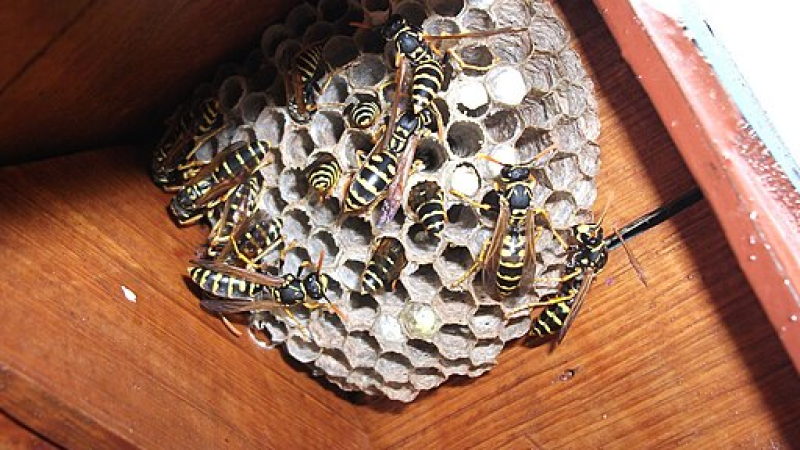
Ground wasps are a type of stinging insect that creates nests beneath the soil instead of building hanging hives. Common species include yellow jackets and other underground wasps. Unlike bees, these pests can become aggressive when their nests are disturbed.
Ground wasps are usually attracted to dry soil, open spaces, and areas with easy access to food sources. They commonly build nests in:
- Lawns and gardens
- Near sidewalks or patios
- Under shrubs or landscaping
- Around outdoor dining spaces
These underground nests may contain hundreds or even thousands of wasps during peak season.
Signs You May Have Ground Wasps
Because their nests are hidden underground, spotting ground wasps early can be challenging. However, there are a few warning signs that indicate an infestation.
Increased Wasp Activity
If you notice multiple wasps flying low over the same area repeatedly, there may be a nest nearby. Ground wasps often follow a direct flight path to their underground colony.
Small Holes in the Ground
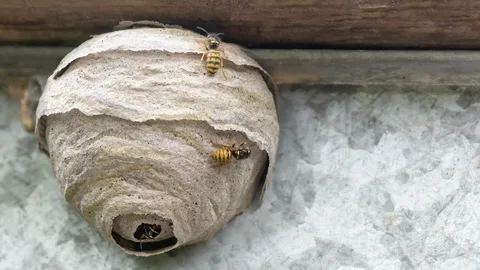
One of the most common indicators is a small hole in the soil with wasps entering and exiting continuously. These openings are often surrounded by loose dirt.
Aggressive Behavior
Underground wasps can become territorial if people or pets get too close. Frequent stings or swarming behavior around your yard should never be ignored.
Why Ground Wasps Can Be Dangerous
Ground wasps are more aggressive than many other stinging insects because they instinctively defend their nests. Disturbing the nest accidentally while mowing the lawn or gardening can trigger an attack.
Their stings can cause:
- Pain and swelling
- Allergic reactions
- Multiple stings at once
- Safety risks for children and pets
For individuals with allergies, wasp stings may even require emergency medical attention.
Best Ways to Get Rid of Ground Wasps
Removing ground wasps requires caution and proper planning. Here are some effective methods for dealing with underground wasp nests.
Locate the Nest Carefully
Before treatment begins, identify the exact nest location. Observe wasp activity during daylight hours from a safe distance. Never poke the nest or attempt to dig it up.
Ground wasps are most active during the day, so the safest time to treat them is usually late evening or early morning when activity is lower.
Use Wasp Insecticide Dust or Spray
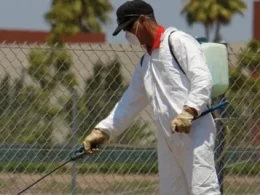
Specialized wasp control products designed for underground nests can help eliminate the colony effectively. Apply the treatment directly into the nest entrance according to product instructions.
When using insecticides:
- Wear long sleeves and protective clothing
- Avoid standing directly above the nest
- Keep children and pets indoors
- Use products specifically labeled for ground wasps
Dust treatments are often highly effective because the wasps carry the insecticide deeper into the colony.
Pour Soapy Water Into the Nest
Some homeowners use a mixture of hot water and dish soap to flood smaller nests. The soap coats the insects and limits their ability to fly.
While this method may help with small infestations, it may not fully eliminate large underground colonies. Extreme caution is still necessary because disturbed wasps can become aggressive quickly.
Avoid Sealing the Entrance Immediately
One common mistake is covering the nest hole too soon. If surviving wasps cannot exit through the main opening, they may create new escape tunnels nearby.
Always ensure the colony has been fully eliminated before sealing the area.
Preventing Future Ground Wasp Infestations
Once the nest is removed, taking preventive measures can reduce the chances of ground wasps returning to your property.
Maintain Your Lawn
Ground wasps prefer undisturbed areas with loose soil. Keeping your lawn trimmed and maintaining landscaping can discourage nesting.
Eliminate Food Sources
Outdoor food and sugary drinks attract wasps. Clean up spills promptly and keep garbage bins tightly sealed.
Fill Old Burrows and Holes
Abandoned rodent tunnels and gaps in the soil can become ideal nesting sites. Filling these openings may help prevent future infestations.
Schedule Professional Inspections
Regular pest inspections can identify hidden pest problems before they become serious. Professional exterminators can also recommend targeted prevention strategies for your property.
For homeowners dealing with recurring pest issues, working with experts like Pest Control Aurora can provide long-term solutions and safer treatment options.
DIY Removal vs Professional Pest Control
While some minor infestations may be manageable with DIY methods, larger nests often require professional help. Attempting to remove aggressive ground wasps without the right equipment can increase the risk of stings and incomplete removal.
Professional pest control services offer:
- Safe nest removal techniques
- Advanced pest management solutions
- Protective equipment and treatments
- Long-term prevention strategies
This is especially important for businesses and larger properties where pest activity can affect customers and employees. Learning more about Commercial Pest Control can help property owners understand how professional pest management protects commercial spaces from dangerous infestations.
Eco-Friendly Ground Wasp Control Options
Many homeowners today prefer environmentally friendly pest control methods. Eco-conscious solutions focus on minimizing harm to beneficial insects while targeting aggressive pests.
Some eco-friendly options include:
- Natural peppermint oil sprays
- Non-toxic soap treatments
- Preventive landscaping practices
- Professional integrated pest management (IPM) programs
Using sustainable pest control practices can help maintain a healthier outdoor environment while still addressing underground wasp activity effectively.
When to Call a Professional
You should contact a pest control expert if:
- The nest is large or difficult to access
- You notice aggressive swarming
- Someone in your household has a sting allergy
- DIY treatments have failed
- Multiple nests are present on your property
Professionals have the tools and expertise needed to safely eliminate ground wasps while reducing future infestation risks.
Final Thoughts
Ground wasps can become a serious nuisance and safety concern if left untreated. Because these underground stinging insects are highly protective of their nests, proper identification and safe removal methods are essential.
Whether you choose DIY treatment or professional assistance, acting quickly is the best way to prevent the infestation from spreading. By maintaining your yard, removing attractants, and scheduling regular inspections, you can greatly reduce the likelihood of future wasp problems.
If you are struggling with persistent ground wasps or other stinging insects, professional pest control services can help restore safety and comfort to your home or business.