






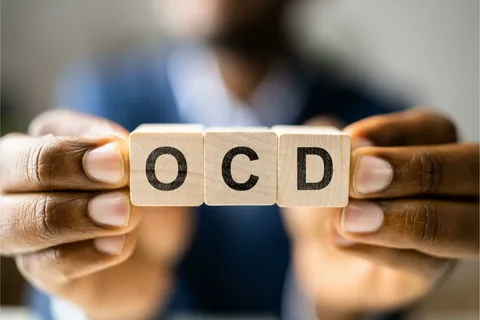
Obsessive-Compulsive Disorder (OCD) is a mental health condition that can significantly disrupt daily life. It involves persistent, unwanted thoughts (obsessions) and repetitive behaviors (compulsions) performed to reduce distress. People with OCD often feel trapped in these cycles, which can affect relationships, work, and overall well-being. OCD treatment in Richardson options, including therapy, medication, and interventional psychiatry approaches, for individuals seeking professional help for OCD.
OCD Causes and Symptoms
OCD can develop for multiple reasons, including genetic, neurological, and environmental factors. It may begin in childhood, adolescence, or adulthood, and symptoms often worsen during periods of stress. Common OCD symptoms include:
- Obsessions: Recurrent intrusive thoughts, fears of contamination, doubts about safety, or the need for symmetry and order.
- Compulsions: Repetitive behaviors such as handwashing, checking, counting, or arranging items in a specific way.
- Emotional Impact: Anxiety, distress, and frustration often accompany compulsive behaviors.
High-functioning individuals with OCD may appear productive and organized but continue to experience internal stress and compulsions that interfere with their daily life. Severe OCD can be debilitating, leading to avoidance of certain situations or complete disruption of routines.
OCD Treatment in Richardson
Treatment for OCD is highly individualized. Knowing OCD causes and treatment, the main goal is to reduce the intensity of obsessions and compulsions, improve functioning, and enhance quality of life. Common strategies include:
1. Cognitive Behavioral Therapy (CBT)
CBT is a cornerstone of OCD treatment. It helps patients identify thought patterns that trigger compulsive behaviors and develop strategies to challenge these thoughts.
2. Exposure and Response Prevention (ERP) Therapy
ERP therapy for OCD treatment is a specialized form of CBT considered the gold standard. It involves gradually exposing patients to feared situations while preventing the usual compulsive response. Over time, ERP reduces anxiety and decreases the need for compulsive behaviors.
3. Medication Management
Selective Serotonin Reuptake Inhibitors (SSRIs) and other medications can help reduce symptoms of OCD. These medications are typically prescribed and monitored by psychiatrists to ensure safety and effectiveness.
4. Interventional Psychiatry
For treatment-resistant OCD, an interventional psychiatrist in Richardson may offer advanced treatment options. These may include:
- Transcranial Magnetic Stimulation (TMS) : Non-invasive brain stimulation that targets specific neural circuits linked to OCD symptoms.
- Ketamine-Assisted Therapy: Administered under supervision for rapid relief in select patients with severe or resistant symptoms.
- Other Advanced Modalities: Interventional psychiatrists may combine therapies to create a personalized plan for optimal results.
OCD Therapy Options in Richardson
Richardson provides several avenues for patients seeking professional care:
- Individual Therapy: One-on-one sessions with trained therapists focusing on ERP and CBT techniques.
- Group Therapy: Provides social support and shared learning experiences for managing OCD.
- Telepsychiatry: Virtual consultations and therapy sessions offer convenience and continuity for patients unable to attend in person.
- Interventional Psychiatric Clinics: Specialists provide advanced treatment options for patients with severe or treatment-resistant OCD.
Treatment plans are customized to the patient’s symptom severity, lifestyle, and personal goals. Combining therapy, medication, and lifestyle modifications often leads to the most successful outcomes.
What to Expect During Your First Appointment?
Visiting an interventional psychiatrist or OCD specialist in Richardson typically begins with a thorough assessment:
- Comprehensive Evaluation : Your medical history, symptom patterns, and previous treatments will be reviewed.
- Symptom Assessment: The psychiatrist will identify triggers, compulsive behaviors, and how OCD impacts your life.
- Treatment Planning: Evidence-based options, including ERP, CBT, medications, and interventional procedures, are discussed.
- Follow-Up Strategy: A structured follow-up schedule ensures progress is monitored, and treatments are adjusted as needed.
OCD Treatment Near Me in Richardson
Finding local, reliable care is crucial. Richardson offers a wide network of mental health clinics, psychiatrists, and interventional specialists who provide evidence-based OCD treatments. Early intervention can prevent symptoms from escalating and improve overall mental health outcomes. Tips for selecting the right provider:
- Confirm credentials and experience with OCD and interventional therapies.
- Seek providers with a patient-centered approach and positive reviews.
- Ensure the clinic offers follow-up support and ongoing therapy options.
FAQs
Q: How does ERP therapy work for OCD Treatment?
A: ERP involves gradually exposing patients to situations that trigger anxiety while preventing compulsive responses. This helps reduce fear and compulsive behavior over time.
Q: Can OCD be fully cured?
A: While OCD may not always be fully “cured,” symptoms can be managed effectively with therapy, medication, and interventional treatments, allowing patients to lead fulfilling lives.
Q: How long does treatment for OCD take?
A: Duration varies by severity. ERP therapy often takes weeks to months, while medication or interventional therapy may accelerate symptom relief in some cases.
Q: Can high-functioning individuals have OCD?
A: Yes. High-functioning OCD patients may appear successful and productive but still experience significant internal distress from obsessions and compulsions.
Q: Where can I find OCD treatment near me in Richardson?
A: Mental health clinics, specialized therapy centers, and interventional psychiatrists in Richardson provide comprehensive care for OCD. Telepsychiatry options are also widely available.
Conclusion
Wondering how to treat OCD? Seeking professional help is the first step toward managing OCD effectively. With personalized therapy, advanced treatment options, and ongoing support, individuals in Richardson can reduce symptoms, improve daily functioning, and regain control over their lives. OCD can become more challenging over time if left untreated. With modern OCD treatment in Richardson approaches available, patients have more options than ever to manage OCD successfully.