




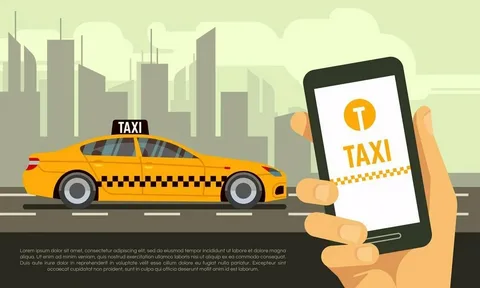
Understanding the Changing Taxi Business Landscape
The Evolution of Taxi Services
Key Players in the Market
The taxi app industry is becoming increasingly competitive, with both traditional operators and disruptive newcomers vying for dominance. Established companies like Yellow Cab and local taxi services continue to serve riders, but the landscape has been drastically reshaped by modern taxi apps such as Uber and Lyft. These app-first platforms have revolutionized the way people book rides, offering convenience, transparency, and flexibility. Meanwhile, regional startups are beginning to carve out their own niches in this evolving market. In such a fiercely competitive environment, businesses that embrace new technologies and adapt to shifting customer expectations will remain at the forefront of the industry.
Regulatory Challenges
Regulatory compliance has always been a challenge for taxi services. Companies must meet various requirements, including licensing, insurance, and safety standards. On-demand services often face additional hurdles, as they push for legitimacy in cities where regulations haven’t quite caught up with technology. As local and global regulations evolve, taxi app businesses must remain agile to avoid falling behind.
The Rise of On-Demand Ride Services
Shifting Market Demand
Gone are the days when catching a cab meant standing on a street corner and hoping for the best. Today’s consumers are looking for instant gratification. They want rides at their fingertips, available at the touch of a button, with options tailored to their needs, whether it’s an affordable ride or a luxury experience. This shift in consumer preference has contributed to the explosive growth of on-demand ride services, forcing traditional taxi services to play catch-up.
Traditional vs. On-Demand Models
Traditional taxi services often rely on metered fares, the luck of the hail, and sometimes awkward conversations with drivers. On-demand services, on the other hand, offer upfront pricing, the ability to review drivers, and the convenience of choosing a ride from your smartphone. It’s like comparing an old flip phone to the latest smartphone—both serve the purpose, but one offers a far superior experience.
Impact of Global Events on the Ride Industry
Global events, such as the COVID-19 pandemic, have had a significant impact on how we view shared rides. With health and safety concerns at the forefront, taxi apps had to pivot quickly, introducing sanitation protocols and contactless payment systems. The influence of these events will continue to shape the ride-hailing experience, with safety and hygiene becoming a top priority for both drivers and passengers.
Key Features of a Successful Taxi Business App
User-Friendly Interface Design
The user interface (UI) is the heart of any taxi app. For it to succeed, the app must be intuitive, clean, and easy to navigate. Think of it like putting on a favorite pair of shoes—comfortable, simple, and functional. A clutter-free design with clear icons and minimal text makes the booking process a breeze. In this fast-paced world, users don’t have time for complicated menus or hidden features.
Real-Time Tracking and Communication
One of the biggest advantages of on-demand ride services is real-time tracking. No one wants to wait in the cold wondering where their driver is. A good taxi app should provide live updates on your driver’s location and give you the option to communicate directly with them. This seamless flow of information enhances user satisfaction and eliminates the guesswork.
Payment Integration and Security
Gone are the days of fumbling for cash. A great taxi app should offer multiple payment options, such as credit cards, digital wallets, and even cash. Security is a top concern, and robust encryption technology ensures that riders’ financial data remains secure. This integration simplifies the payment process while providing peace of mind to users.
Technology Innovations in the Taxi Business
Mobile App Development
In today’s digital-first world, a reliable mobile app is the backbone of any taxi app business. It’s essential for booking rides, tracking drivers, and sharing trip details. Taxi apps need regular updates and improvements to keep up with user expectations. This ongoing development ensures that the app remains competitive in a rapidly evolving market.
Artificial Intelligence and Data Analytics
Artificial Intelligence (AI) is revolutionizing the way taxi app businesses operate. By using AI and data analytics, companies can optimize routes, predict demand, and personalize rider experiences. These technologies help improve efficiency, reduce wait times, and offer tailored services that enhance overall user satisfaction. AI is no longer just a future concept—it’s already in action.
Electric and Autonomous Vehicles
The future of the taxi app industry is also heavily tied to sustainability. Electric vehicles (EVs) are gaining traction, offering eco-friendly rides while reducing the carbon footprint. Furthermore, autonomous vehicles, once thought to be a thing of science fiction, are gradually making their way into the real world. These innovations promise to reduce traffic congestion and offer safer, more sustainable transportation options.
Enhancing User Experience: Convenience and Safety
Streamlined Booking Process
A seamless booking process is essential for modern taxi apps. With just a few taps, users should be able to select their ride preferences, see estimated wait times, and secure their ride. The simplicity of the booking experience has a significant impact on customer retention, and the ability to integrate features like ride-sharing options and wallet payments can further enhance user satisfaction.
Safety Features for Riders and Drivers
Safety is paramount in the taxi app business. Modern taxi apps integrate safety features such as driver background checks, in-app emergency buttons, and ride tracking. These features offer reassurance to passengers and drivers alike, fostering trust and ensuring a secure experience. After all, safety is the foundation of any successful ride-hailing service.
Customer Support and Feedback
Customer support plays a crucial role in the overall user experience. Providing timely assistance through live chat or AI-powered FAQs helps address any concerns promptly. Additionally, incorporating user feedback allows taxi services to continually improve and fine-tune their platforms, creating an atmosphere where customers feel valued.
Future Trends in the Taxi Business
Integration with Public Transport
The future of on-demand ride services may include integration with public transport systems. Imagine a seamless experience where a taxi app syncs with bus and train schedules, making it easier for riders to navigate their commutes. This holistic approach could revolutionize the transportation ecosystem, making multi-modal travel more convenient.
Environmental Sustainability
As environmental concerns grow, the taxi app industry is increasingly prioritizing sustainability. Electric vehicles, hybrid cars, and carbon offset programs are becoming more popular, reflecting the global push for eco-friendly alternatives. This shift not only attracts environmentally conscious riders but also positions taxi apps and companies as responsible corporate citizens, committed to reducing their carbon footprint and contributing to a greener future.
Global Expansion Opportunities
On-demand ride services have global appeal, and many taxi businesses are looking to expand beyond local markets. To succeed on a global scale, these platforms need to understand regional preferences and comply with varying regulatory frameworks. With the right strategy, taxi businesses can unlock new opportunities and scale internationally.
Conclusion
The future of the taxi app business is promising, driven by technological advancements and changing consumer expectations. The key to success lies in embracing innovation, enhancing user experiences, and staying ahead of regulatory challenges. As the industry evolves, taxi apps that focus on convenience, safety, and sustainability will be well-positioned to lead the way in this exciting new era of transportation.