





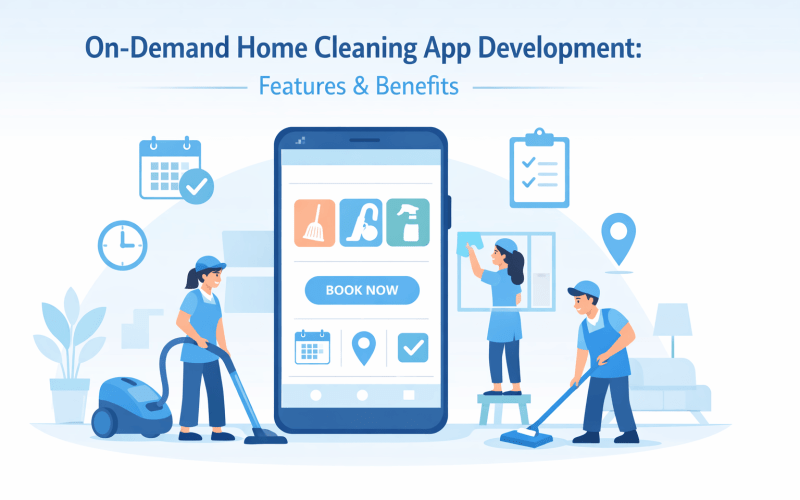
In the modern era, time has become a more precious commodity than ever before. This shift in values has fueled a massive surge in the demand for on-demand home services. Leading this charge is the professional cleaning industry, which has been revolutionized by mobile technology. Today, a homeowner can transform a cluttered living space into a pristine environment with a few taps on a smartphone.
Developing a successful cleaning app is not merely about writing code; it is about building a bridge of trust between busy individuals and service professionals. By exploring the essential architecture, monetization strategies, and future trends of these platforms, stakeholders can capitalize on a market that shows no signs of slowing down.
1. Market Overview: The Evolution of Domestic Help
On-demand home cleaning apps are digital marketplaces that match homeowners with vetted cleaning professionals in real-time. Often described as “Uber for x” models, these platforms have moved beyond the “trend” phase to become a vital component of the modern urban lifestyle.
The growth of this sector is intrinsically linked to the broader on-demand economy. Consumers in 2026 prioritize “frictionless” living. As professionals juggle increasingly demanding schedules, the psychological burden of household maintenance has grown. Consequently, the preference for flexible, pay-as-you-go cleaning solutions has skyrocketed. This creates a fertile ground for developers who can provide reliability and quality in an often-unregulated domestic service market.
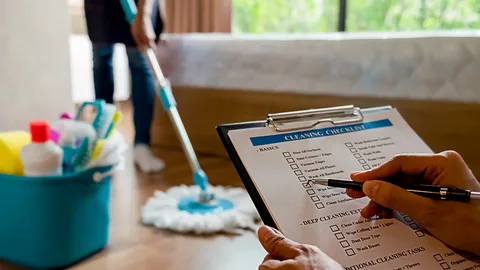
2. The Blueprint: Essential Features for User Retention
If an application is difficult to navigate, users will abandon it regardless of the service quality. An effective cleaning app must prioritize a seamless “User Journey.”
-
Intuitive User Interface (UI): The design must be clean and accessible. Users should be able to book a service within sixty seconds of opening the app.
-
Flexible Scheduling: Life is unpredictable. Effective apps offer a variety of options, including emergency same-day cleanings, specialized deep cleans, or recurring weekly maintenance.
-
Integrated Payment Systems: Fumbling with cash is a thing of the past. Secure, in-app payment gateways (such as Stripe or PayPal) provide a digital paper trail, enhancing security for both the client and the cleaner.
-
The Feedback Loop: A transparent rating and review system is the primary engine of quality control. It empowers users to reward top-tier “cleaning superheroes” and provides providers with the data needed to refine their skills.
-
Live Geospatial Tracking: Just as users track a food delivery, they want to know exactly when their cleaner will arrive. Real-time GPS tracking reduces “no-show” anxiety and provides a professional layer of accountability.
3. The Homeowner’s Advantage: More Than Just a Clean Room
The benefits for the end-user extend far beyond a vacuumed carpet.
-
Reclaiming Time: By outsourcing domestic labor, homeowners can reclaim hours of their weekend for family, hobbies, or rest.
-
Verified Trust: Top-tier apps perform rigorous background checks and provide insurance coverage. This eliminates the “stranger danger” associated with hiring independent contractors from unverified classified ads.
-
Universal Accessibility: Whether someone lives in a high-rise city apartment or a suburban townhouse, these apps democratize access to professional help that was once reserved for the wealthy.
4. Empowering the Provider: The Gig Economy Dream
For cleaning professionals, these platforms act as a powerful business-in-a-box.
-
Massive Market Reach: An independent cleaner no longer needs to spend money on traditional advertising. The app provides a constant stream of leads and a built-in customer base.
-
Operational Efficiency: The backend of the app handles the “heavy lifting” of business management—scheduling, invoicing, and route optimization.
-
True Work-Life Balance: Providers can toggle their availability on and off, choosing jobs that fit their personal lives. This flexibility is a hallmark of the 2026 workforce.
5. The Technical Foundation: Building a Resilient Stack
Building a high-traffic marketplace requires a robust technical “skeleton.”
-
Cross-Platform Frameworks: To maximize reach, developers often use Flutter or React Native. These allow for a single codebase to serve both iOS and Android users, ensuring a consistent experience across devices.
-
Backend & Cloud Scalability: A combination of Node.js and cloud environments like AWS or Firebase is essential. These technologies allow the app to handle thousands of concurrent booking requests without crashing during peak holiday seasons.
-
Security Protocols: High-level encryption is required for user data and payment information. Compliance with global data protection standards is not optional; it is a requirement for maintaining a shiny brand reputation.
6. Revenue Models: How Cleaning Apps Turn a Profit
Developers must choose a monetization strategy that aligns with their user base:
-
The Subscription Model: This is the “Netflix” of cleaning. Users pay a monthly fee for guaranteed slots and discounted rates. This provides the platform with predictable, recurring revenue.
-
Transaction Fees (Commission): The platform takes a percentage (typically 15-25%) of each booking. This lowers the barrier to entry for casual users.
-
Strategic Partnerships: Collaborating with real estate agencies or eco-friendly cleaning product brands can open secondary revenue streams through targeted in-app promotions.
7. Navigating Challenges: Saturation and Quality Control
The road to success is often cluttered. The market is increasingly saturated, requiring a “Unique Value Proposition” (UVP) to stand out. Whether that UVP is a 100% “Green Cleaning” guarantee or a specialized focus on pet-friendly homes, differentiation is key.
Furthermore, legal hurdles—such as worker classification (Employee vs. Contractor) and liability insurance—can be complex. Navigating these requires a proactive legal strategy to ensure the business remains on the right side of the law while scaling.
8. The Horizon: AI and the Future of Clean
As we look toward the future of 2026 and beyond, Artificial Intelligence (AI) will play a dominant role. Predictive algorithms will suggest cleanings based on a user’s past habits or even local weather patterns (suggesting a mud-room clean after a rainstorm).
We also see an expansion into “Whole-Home Management.” Future apps will likely offer a one-stop-shop for organizing, minor home repairs, and pet care. By becoming an “Adulting Assistant,” these platforms ensure long-term user engagement.
Conclusion: A Seamless Path to a Pristine Home
On-demand home cleaning apps represent a massive leap forward in household management. They are not merely a digital trend; they are a response to the evolving needs of the modern workforce. By prioritizing user trust, technological stability, and provider flexibility, these platforms are sweeping away the old, inefficient methods of domestic service. Embracing this innovation leads to a more organized life, proving that in 2026, a clean home is truly just a tap away.