




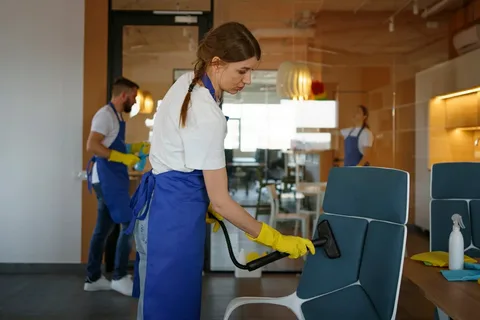
Commecial End-of-lease cleaning is a critical step when businesses vacate commercial premises. Many companies underestimate the level of detail required, which can lead to inspection failure, financial loss, and security deposit deductions. Commercial cleaning is not the same as routine maintenance cleaning because it focuses on restoring the property to its original condition.
Understanding common cleaning mistakes helps businesses prepare better and avoid unnecessary disputes with landlords. Proper planning, professional cleaning support, and following a structured checklist can make the property handover process smoother and more efficient.
Understanding End-of-Lease Cleaning Challenges
Commercial exit cleaning is a comprehensive property restoration process that requires attention to dust removal, stain treatment, and hidden debris elimination. Many businesses struggle because they treat end-of-lease cleaning as routine maintenance cleaning instead of a structured professional process. Proper planning is essential to meet lease termination sanitation standards.
- Late Cleaning Preparation: Postponing cleaning tasks until the final tenancy days creates pressure and leads to incomplete sanitation work. Rushed cleaning often results in missed inspection zones such as vents, corners, and fixtures. Early scheduling of commercial property exit cleaning improves overall quality.
- Difficulty Removing Deep Stains and Grease: Long-term occupancy usually causes grease buildup, floor discoloration, and stubborn wall marks. Basic cleaning methods are often insufficient for removing embedded dirt layers and surface contamination. Professional industrial sanitation techniques help restore property appearance.
- Understanding Lease Cleaning Contract Terms: Lease agreements may contain specific property return condition requirements that tenants must follow. Some contracts require certified commercial cleaning services, especially for specialized business environments. Misinterpretation of cleaning clauses can lead to financial penalties.
- Managing Large Commercial Spaces Efficiently: Cleaning extensive office floors, warehouses, or retail areas requires industrial equipment and skilled manpower. Manual cleaning methods may not be effective for high-traffic commercial zones. Hiring experienced exit cleaning providers supports quality inspection readiness.
Delaying the Cleaning Process
Leaving cleaning tasks until the last moment is one of the most common mistakes businesses make. Rushed cleaning often leads to missed areas, poor sanitation quality, and incomplete restoration work. Early preparation helps maintain cleaning standards and reduces stress during relocation.
Ignoring Carpet and Floor Stains
Carpets and flooring surfaces accumulate dirt over time, especially in high-traffic commercial zones. Many businesses only vacuum carpets instead of performing deep steam cleaning or machine scrubbing. Visible stains and odor buildup can cause inspection failure.
Overlooking Vents, Fixtures, and Corners
Air vents, light fixtures, skirting boards, and room corners are frequently neglected during cleaning. Dust and debris tend to accumulate in these areas, making them important inspection checkpoints. Professional exit cleaning ensures these hidden zones are properly sanitized.
Using Improper Cleaning Chemicals
Using harsh or incorrect cleaning chemicals can damage painted walls, glass surfaces, or flooring materials. Businesses should use approved commercial-grade cleaning solutions to prevent surface corrosion, discoloration, or structural damage.
Failing to Remove Adhesive Residue
Stickers, tape marks, and adhesive traces must be removed before final inspection. These residues are often left behind after signage installation or office setup and can negatively affect property appearance.
Not Documenting Property Condition
Many businesses forget to take before-and-after photographs during the cleaning process. Documentation helps resolve potential disputes with landlords and serves as proof of compliance with lease cleaning requirements.
Skipping Professional Cleaning Services
Some companies try to save money by avoiding professional commercial cleaning services. However, large spaces and specialized properties often require industrial equipment and trained cleaning staff for proper restoration.
Ignoring Lease Agreement Cleaning Terms
Every commercial lease contains specific cleaning obligations. Failure to review these clauses can lead to unexpected charges, additional cleaning orders, or deposit deductions during property handover.
Benefits of Avoiding Cleaning Mistakes
Avoiding end-of-lease cleaning errors improves the chance of receiving a complete security deposit refund after property handover. Proper commercial property sanitation helps maintain good relations with landlords and reduces unnecessary maintenance disputes. Businesses that follow professional cleaning standards demonstrate operational responsibility and tenancy compliance.
- Maximum Deposit Recovery Protection: Careful cleaning and inspection preparation help businesses avoid financial losses related to property restoration charges. Completing deep commercial sanitation work ensures the premises meet the landlord’s quality expectations. Maintaining documentation supports tenancy settlement transparency.
- Reduction of Legal and Financial Risks: Following lease cleaning obligations minimizes chances of contract violation claims or additional service fees. Proper exit sanitation reduces disputes related to property damage assessment during final inspection. Compliance with the lease agreement cleaning terms is essential.
- Improved Business Reputation and Professional Image: Leaving the property in excellent condition reflects strong corporate ethics and operational professionalism. Positive exit experience helps companies obtain favorable landlord references for future leasing opportunities. Good cleaning practices strengthen commercial credibility.
- Efficient Relocation and Time Management: Using structured cleaning checklists and professional services reduces relocation stress and operational downtime. An organized exit property cleaning strategy supports faster office setup in new locations. Businesses can focus more on core operational transition tasks.
Conclusion
End-of-lease cleaning is a crucial responsibility when vacating commercial property. Businesses must avoid common cleaning mistakes by planning early, using proper equipment, and understanding lease requirements.
Investing in professional cleaning solutions and conducting final inspections helps ensure compliance with landlord expectations. A careful and systematic approach protects financial interests, reduces disputes, and supports successful tenancy termination.
Frequently Asked Questions
Why do businesses make mistakes during end-of-lease cleaning?
Most mistakes happen because businesses underestimate cleaning requirements, rush the process, or fail to follow the lease agreement checklist.
Is professional cleaning necessary for commercial exit cleaning?
Professional cleaning is recommended for large commercial spaces because it ensures deep sanitation and better inspection results.
What is the biggest mistake during end-of-lease cleaning?
Delaying cleaning until the last few days is one of the biggest mistakes because it leads to rushed work and missed inspection areas.
How can I avoid security deposit deductions?
Following the lease cleaning requirements, performing deep cleaning, and conducting a final walkthrough inspection help reduce deduction risks.
Are walls included in end-of-lease cleaning?
Yes, walls should be cleaned to remove marks, stickers, and adhesive residue unless the lease agreement states otherwise.
Should carpets be professionally cleaned?
Professional steam carpet cleaning is highly recommended to remove embedded dirt, stains, and allergens.
What happens if cleaning standards are not met?
Landlords may request additional cleaning or deduct cleaning costs from the security deposit according to the lease contract.
When should end-of-lease cleaning be done?
Cleaning should be scheduled a few days before lease termination to allow time for inspection and touch-ups.
Do exterior areas need cleaning?
Exterior cleaning depends on the lease agreement and may include entrances, windows, and loading zones.
How can I ensure successful property handover?
Following a detailed cleaning checklist, documenting the process, and performing final inspection checks improve handover success.