




For businesses and individual shippers alike, proper packaging plays a crucial role in ensuring goods reach their destination safely. Whether you are sending electronics, apparel, documents, or fragile items, the way a parcel is packed directly affects delivery outcomes.
Many service providers offering domestic courier service in India emphasize that a significant percentage of damage claims are linked to inadequate or incorrect packaging rather than transit issues. This makes it essential to follow basic packing practices that protect products from shocks, moisture, and handling during the journey.

Choose the Right Packaging Material
The first step in safe shipping is selecting appropriate packaging materials. Corrugated cardboard boxes are commonly used because they are lightweight, strong, and suitable for most types of products. However, the box size should match the item. Oversized boxes can cause movement inside the package, while very tight packaging can lead to pressure damage.
For smaller or soft items, padded envelopes or poly mailers may be sufficient. Heavier or fragile products usually require double-walled boxes to provide extra strength during transit.
Use Adequate Cushioning in Domestic courier service
Cushioning materials absorb shocks and vibrations that occur during transportation. Bubble wrap, foam sheets, air pillows, and packing peanuts are commonly used to protect items inside the box. Fragile products should be wrapped individually and placed in the center of the box, away from the edges.
It is also important to fill any empty spaces inside the box. If there is room for the product to move, there is a higher risk of damage. A properly cushioned package should feel stable when gently shaken.
Seal the Package Securely
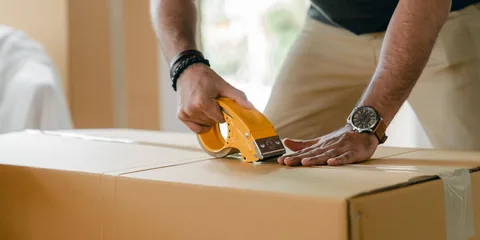
Once the items are placed and cushioned, sealing the box properly is essential. Use high-quality packing tape and apply it using the “H-taping” method, where tape is placed along the center seam and across the edges of the box flaps. This technique helps prevent the box from opening during handling.
Avoid using low-quality tape, string, or staples, as they may not hold up during transit. Proper sealing also protects the contents from dust, moisture, and accidental opening.
Label the Shipment Clearly
Clear and accurate labeling reduces the chances of misrouting or delivery delays. The shipping label should be placed on the top surface of the box and should be easy to read. Avoid placing labels on seams or edges where they might get damaged.
If the package contains fragile or sensitive items, adding “Fragile” or “Handle with Care” stickers can alert handlers. While these labels do not guarantee special treatment, they can still help reduce rough handling.
Consider Product-Specific Packaging Needs
Different products require different packaging approaches. Electronics often need anti-static wraps and foam inserts. Glassware or ceramics should be double-boxed with sufficient padding between the inner and outer boxes. Liquids should be sealed in leak-proof containers and placed inside waterproof bags.
Many logistics providers recommend following product-specific guidelines to minimize the chances of damage claims and returns.
Test Your Packaging
Before shipping products in large quantities, it can be helpful to perform simple drop or pressure tests. This is especially useful for businesses shipping fragile or high-value items. Testing helps identify weak points in the packaging and allows for improvements before actual shipments.
Some companies also follow standardized packaging tests to ensure consistency and safety across shipments.
Keep Weight and Size Limits in Mind
Each courier has specific limits on package weight and dimensions. Exceeding these limits can lead to extra charges or rejected shipments. It is advisable to check the guidelines of your chosen courier partner and pack accordingly.
Proper weight distribution inside the box also helps maintain structural integrity during transit.
Reduce Packaging Waste Without Compromising Safety
Sustainable packaging has become an important consideration for many businesses. However, reducing packaging materials should not come at the cost of product safety.
Some practical approaches include:
- Using right-sized boxes to minimize filler materials.
- Choosing recyclable or biodegradable cushioning.
- Reusing clean and undamaged boxes when possible.
- Opting for paper-based cushioning instead of plastic.
Efficient packaging not only reduces environmental impact but can also lower shipping costs by reducing weight and size.
Common Packaging Mistakes to Avoid
Many packaging issues arise from small but common mistakes. Some of these include:
- Using old or damaged boxes.
- Overfilling or underfilling the box.
- Using weak or insufficient tape.
- Ignoring product-specific packaging needs.
- Placing labels incorrectly.
Avoiding these mistakes can significantly reduce the chances of damage during transit.
Benefits of Proper Packaging
Investing time and effort into proper packaging offers several advantages:
- Reduced product damage and returns
- Lower replacement and shipping costs
- Improved customer satisfaction
- Better brand reputation
- Fewer logistics-related complaints
For e-commerce businesses in particular, safe packaging contributes directly to positive customer reviews and repeat purchases.
Conclusion
Safe delivery begins with proper packaging. From choosing the right box and cushioning materials to sealing and labeling the parcel correctly, every step contributes to the protection of the shipment. Businesses that follow structured packaging practices often see fewer returns, lower damage rates, and improved customer satisfaction. Most providers offering domestic courier service in India highlight that careful packing is one of the simplest yet most effective ways to ensure products arrive in perfect condition.