






Introduction
Is your Netgear WiFi Extender not connecting to your internet router? You are not alone. Many users face this frustrating issue when setting up or using their extenders. The good news is that most of the problems can be fixed with simple troubleshooting steps. In this comprehensive guide, we will cover all the reasons why your Netgear WiFi extender may not connect to your router, along with step-by-step solutions to get you back online. For quick assistance, you can also contact Netgear Support at 1-833-800-3030 for expert help.
What is a Netgear WiFi Extender?
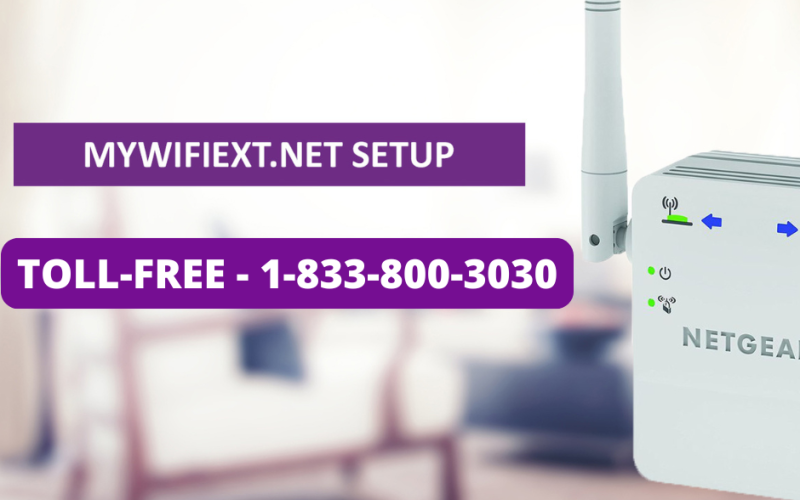
A Netgear WiFi extender (also called a WiFi booster or repeater) is a device that improves your wireless coverage by extending the range of your existing WiFi network. It takes the WiFi signal from your router and amplifies it, ensuring fewer dead zones and better connectivity in larger spaces. However, if the Netgear extender does not connect to the internet router, the entire purpose of the device is defeated. Let’s understand the possible causes first.
Common Reasons Why Your Netgear Extender is Not Connecting to Router
There are several reasons why your Netgear WiFi extender may not connect to your router:
- Incorrect Placement of Extender: If the extender is too far from the router, the signal may not reach it properly.
- Wrong SSID or Password: Entering the incorrect WiFi password or choosing the wrong network name can prevent connectivity.
- Firmware Issues: Outdated firmware on your extender or router can cause compatibility problems.
- IP Address Conflicts: Sometimes the extender and router may assign conflicting IP addresses.
- Improper Setup: Skipping or incorrectly following the setup process can lead to connection issues.
- Router Issues: If your router is not working properly, the extender won’t be able to connect either.
- Interference from Other Devices: Other electronic devices, walls, or appliances may weaken the connection.
Step-by-Step Fixes for Netgear Extender Not Connecting to Router
If your Netgear WiFi extender won’t connect to your router, try the following troubleshooting steps:
1. Check Extender Placement
- Place your extender halfway between your router and the area where you want better coverage.
- Ensure it’s within the WiFi range of your router.
- Avoid placing it near microwaves, cordless phones, or thick walls.
2. Verify WiFi Credentials
- Double-check that you are entering the correct SSID (network name) and password.
- If your router has dual-band WiFi (2.4GHz & 5GHz), ensure you are connecting to the right one.
3. Restart Your Devices
- Unplug both the router and extender.
- Wait for 30 seconds and then plug them back in.
- Allow them to boot fully before reconnecting.
4. Update Firmware
- Log in to the Netgear Extender setup page using
mywifiext.net. - Check if a firmware update is available.
- Download and install the update to ensure compatibility with your router.
5. Reset the Extender
- If none of the above works, press and hold the Reset button on the extender for about 10 seconds.
- Reconfigure the extender using the setup wizard.
6. Reconnect Using WPS Method
- Press the WPS button on your router.
- Within 2 minutes, press the WPS button on your Netgear extender.
- Wait for the LED to turn solid green, indicating a successful connection.
7. Check for IP Conflicts
- Log in to your router’s admin page.
- Make sure the extender is assigned a unique IP address.
- Restart the network to refresh connections.
8. Reconfigure the Network
- Sometimes the extender may not connect because of saved old settings.
- Remove the extender from your network and re-add it.
- Use the Netgear Genie app or
mywifiext.netfor reconfiguration.
If you are still facing problems, contact Netgear Technical Support at 1-833-800-3030 for professional help.
Advanced Fixes for Netgear Extender Connection Issues
If basic troubleshooting doesn’t work, try these advanced solutions:
1. Disable MAC Address Filtering
- Check if your router has MAC address filtering enabled.
- If yes, add your extender’s MAC address to the allowed list.
2. Switch WiFi Channels
- Routers often face congestion on common channels.
- Log in to your router and switch to a less crowded channel (e.g., from Channel 6 to Channel 11).
3. Change Security Mode
- Some extenders may not connect if your router uses outdated security protocols.
- Set your router to WPA2-PSK (AES) for best compatibility.
4. Use Ethernet Backhaul
- Connect your Netgear extender to the router using an Ethernet cable for a stable connection.
- Once configured, you can unplug the cable if wireless connection works.
Preventing Future Connection Issues
To ensure your Netgear WiFi extender stays connected to your internet router, follow these tips:
- Keep Firmware Updated: Regularly check for updates on both your router and extender.
- Optimal Placement: Keep your extender at a central location, away from obstructions.
- Avoid Overloading Devices: Too many connected devices can slow down performance.
- Reboot Occasionally: Restart your network once in a while to refresh connections.
- Use Netgear Genie App: Monitor and manage your extender with the official app.
When to Contact Netgear Support
If you have tried everything and your Netgear WiFi extender is still not connecting to your router, it may be time to seek professional assistance. Common cases include:
- Firmware update failure
- Hardware malfunction
- Constant disconnections
- Setup errors despite correct configuration
For immediate help, call Netgear Customer Support at 1-833-800-3030 and get expert guidance.
Conclusion
A Netgear WiFi extender not connecting to your internet router can be a frustrating problem, but in most cases, it can be resolved with simple troubleshooting. By ensuring proper placement, updating firmware, verifying WiFi credentials, and resetting when necessary, you can quickly get your extender back online. If you are still experiencing issues, don’t hesitate to reach out for professional help. Contact Netgear Support at 1-833-800-3030 to get expert assistance and enjoy uninterrupted WiFi coverage across your home or office.
FAQ
Q1. Why won’t my Netgear extender connect to my router?
Common causes include: incorrect setup, weak signal due to distance, outdated firmware, network interference, or restrictive router settings like MAC address filtering.
Q2. How should I position my extender for best connectivity?
Place the extender midway between your router and the area with weak signal. Avoid placing it too far from the router, as it may not receive a strong enough signal to rebroadcast.
Q3. What setup mistakes should I avoid?
- Double-check that you’ve entered the correct Wi-Fi password during setup.
- Ensure you’re connecting to the correct SSID (network name).
- Use the Netgear Nighthawk app or visit www.mywifiext.net for guided setup.
Q4. Should I reset my extender?
Yes, if all else fails. Press and hold the Reset button for 10 seconds until the LED blinks. This restores factory settings and allows you to start fresh.
Q5. How do I update the firmware?
Visit the Netgear Support site to download the latest firmware for your extender model. Keeping firmware up to date ensures compatibility and performance.
Q6. Can router settings block the extender?
Yes. Check for:
- MAC address filtering: Add the extender’s MAC address to the allowed list.
- Security settings: Ensure WPA2 is enabled and compatible.
- DHCP settings: Confirm the extender is receiving an IP address.
Q7. What if I can’t access www.mywifiext.net?
- Connect your device directly to the extender’s network and try again.
- Use the extender’s IP address (often 192.168.1.250) in your browser.
Q8. Do I need to reconfigure the extender if I change routers?
- Yes. If you replace your router, you’ll need to reset and reconfigure the extender to connect to the new network.
If you’re still stuck, Netgear’s official troubleshooting guide offers model-specific help, or you can reach out to their support team.