



Recent engineering recruitment trends have revealed a significant shift in the industry. While Computer Science Engineering (CSE) continues to offer strong employment opportunities, Mechanical Engineering is experiencing a remarkable resurgence. This growth is being driven by the expansion of manufacturing, electric vehicles (EVs), aerospace, robotics, automation, and Industry 4.0 technologies.
Several leading engineering colleges in India reported nearly 100% placement rates for eligible mechanical engineering students during the 2025–26 placement season. At the same time, the employability of Indian engineering graduates has reached its highest level in the last five years. Employers are increasingly seeking engineers who can combine strong technical knowledge with digital and automation skills.
Understanding the Engineering Landscape
Engineering in 2026 looks very different from what students experienced just a few years ago. The long-standing belief that computer science engineering is the only pathway to a successful career is gradually changing. Industries across the globe are embracing artificial intelligence, automation, electric mobility, sustainable manufacturing, and smart infrastructure.
These developments are creating opportunities across multiple engineering disciplines rather than concentrating demand in a single field. Today’s employers are looking for engineers who can solve real-world problems, adapt to emerging technologies, and contribute to innovation regardless of their specialization.
India’s engineering sector is also undergoing a major transformation. Investments in manufacturing, semiconductors, defense production, electric vehicles, and smart city projects are generating significant demand for core engineering professionals. Recent placement reports indicate that mechanical and electrical engineering students have witnessed substantial growth in campus recruitment due to increasing industrial demand.
This trend clearly shows that engineering success is no longer limited to software-related branches. Students planning to pursue engineering in 2026 should evaluate their options based on future industry requirements rather than outdated perceptions. The strength of an engineering branch should be measured not only by salary packages but also by career longevity, versatility, adaptability, and industry relevance.
How Engineering Careers Have Changed
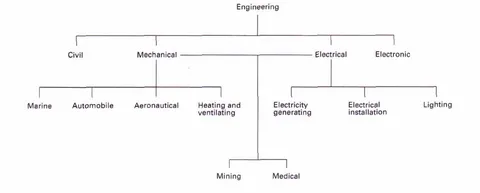
The engineering profession has evolved from specialization to integration. Mechanical engineers now work with AI-powered manufacturing systems. Electrical engineers play a role in advancing electric vehicles. Computer engineers are involved in robotics, automation, and industrial innovation projects.
This convergence of disciplines means that engineers with cross-functional skills are becoming increasingly valuable in today’s job market.
The Rise of Industry 4.0
Industry 4.0 is transforming traditional factories into intelligent production systems powered by the Internet of Things (IoT), artificial intelligence, robotics, digital twins, and predictive maintenance technologies.
Modern manufacturing facilities require engineers who can manage both physical systems and digital technologies. As a result, mechanical engineering graduates with knowledge of automation, data analytics, and smart manufacturing are finding exciting new career opportunities in emerging industries.
What Makes Mechanical Engineering Different?
Mechanical engineering is often referred to as the “mother branch” of engineering because it underpins countless industries. From automobiles and aircraft to manufacturing plants and energy systems, mechanical engineers play a critical role in designing, developing, testing, and improving the machines that power modern society.
Unlike branches that focus primarily on software or electronics, mechanical engineering provides a deep understanding of physical systems, engineering principles, and practical problem-solving techniques.
One of the greatest advantages of mechanical engineering is its versatility. Graduates can build careers in automotive manufacturing, aerospace, robotics, renewable energy, defense, industrial automation, supply chain management, and even software development after acquiring additional technical skills.
This flexibility makes mechanical engineering particularly attractive in an unpredictable economic environment. While technology trends may change rapidly, industries will always require machines, manufacturing processes, transportation systems, and energy infrastructure.
The Foundation of Modern Industry
Mechanical engineering remains essential because virtually every industry depends on mechanical systems. Whether it is a production line, power plant, wind turbine, or electric vehicle, mechanical engineers contribute significantly to its design, development, and operation.
Core Skills Developed in Mechanical Engineering
Mechanical Engineering students develop expertise in:
- Thermodynamics
- Machine Design
- Manufacturing Processes
- Fluid Mechanics
- Material Science
- CAD and CAM Software
- Industrial Automation
These skills provide a strong technical foundation that can be applied across a wide range of industries.

Mechanical Engineering vs Computer Science Engineering (CSE)
However, the industry is evolving rapidly. The rise of artificial intelligence and automation tools has begun to reduce the demand for routine coding tasks. Consequently, employers are placing greater emphasis on problem-solving skills, industry knowledge, creativity, and hands-on application abilities rather than just fundamental programming knowledge.
Mechanical engineering, on the other hand, is benefiting from strong industrial growth. Manufacturing companies, automotive manufacturers, robotics firms, aerospace organizations, and energy companies are actively recruiting engineers who can work with complex physical systems and advanced technologies.
Unlike software-centric careers, many mechanical engineering roles are directly linked to industrial expansion, infrastructure development, and technological innovation. Students who enjoy designing products, developing machines, and solving real-world engineering challenges may find mechanical engineering more rewarding.
Ultimately, the choice depends on personal interests and career goals. CSE is ideal for students who are passionate about coding, software development, and digital technologies. Mechanical engineering offers broader exposure to industrial systems, engineering fundamentals, and emerging technologies. Mechanical engineers who develop skills in programming, automation, artificial intelligence, and data analytics can successfully build careers in both core engineering and technology sectors.
Career Opportunities Comparison
| Factor | Mechanical Engineering | Computer Science Engineering |
| Core Industry Demand | High | High |
| Software Jobs | Moderate | Very High |
| Manufacturing Jobs | Very High | Low |
| Government Opportunities | High | Moderate |
| Global Mobility | High | High |
| Industry Diversification | Very High | High |
Salary and Placement Trends
Computer Science Engineering generally offers higher entry-level salary packages, especially in multinational technology companies. However, mechanical engineering graduates with expertise in automation, robotics, electric vehicle technologies, simulation software, and digital manufacturing are increasingly securing highly competitive salary packages.
Recent placement trends also indicate a growing demand for mechanical engineering graduates as industries invest heavily in advanced manufacturing and Industry 4.0 technologies.
Mechanical Engineering vs Electronics & Communication Engineering (ECE)
Electronics and Communication Engineering (ECE) has emerged as one of the most promising engineering branches due to the rapid growth of telecommunications, semiconductor manufacturing, embedded systems, and Internet of Things (IoT) technologies.
ECE graduates typically work in areas such as wireless communication, chip design, networking, embedded systems, electronics manufacturing, and telecommunications infrastructure. The branch has benefited significantly from global investments in semiconductor production and digital transformation initiatives.
Mechanical engineering remains highly competitive because many modern technologies require a combination of mechanical and electronic systems. Electric vehicles, industrial robots, drones, smart manufacturing equipment, and aerospace systems all depend on the seamless integration of mechanical structures and electronic controls.
As a result, mechanical and ECE professionals frequently collaborate on multidisciplinary projects. Students choosing between these branches should evaluate their interests carefully. Those who enjoy electronics, communication systems, circuits, and semiconductor technologies may prefer ECE. Students interested in machines, manufacturing, robotics, industrial operations, and product design may find mechanical engineering more suitable.
The exciting reality of 2026 is that both disciplines are becoming increasingly interconnected through automation, artificial intelligence, and smart system development.
Industry Demand Analysis
The global semiconductor boom continues to drive demand for electronics and communication engineering professionals. At the same time, manufacturing expansion, automation initiatives, and industrial modernization projects are creating significant opportunities for mechanical engineers.
Both branches are expected to remain highly relevant and in demand over the coming years.
Future Technologies Impact
Emerging technologies such as smart factories, autonomous vehicles, advanced robotics, connected devices, and AI-powered industrial systems require expertise from both mechanical and electronics engineering professionals.
Rather than competing directly, these disciplines increasingly complement each other in modern industries.
Mechanical Engineering vs Civil Engineering
Civil engineering continues to play a critical role in infrastructure development, urban planning, transportation systems, environmental engineering, and sustainable construction projects.
Governments around the world are investing heavily in highways, railways, airports, bridges, metro systems, smart cities, and renewable infrastructure. These investments ensure a steady demand for civil engineering professionals.
Mechanical engineering, however, offers greater industry diversification. Mechanical engineering graduates can build careers in manufacturing, automotive engineering, aerospace, robotics, renewable energy, defense, industrial automation, and production management.
Civil engineering is primarily linked to infrastructure and construction projects, whereas mechanical engineering serves a broader range of industries. Students seeking maximum career flexibility may therefore find mechanical engineering more attractive.
That said, civil engineering remains an excellent choice for students who are passionate about construction, urban development, structural design, and public infrastructure projects.
Infrastructure vs Manufacturing Growth
India’s ambitious infrastructure development projects continue to support strong demand for civil engineers. Simultaneously, rapid industrial growth, electric vehicle manufacturing, robotics adoption, and smart factory initiatives are fueling demand for mechanical engineers.
Both branches offer promising futures, but mechanical engineering provides greater mobility across different sectors and industries.
Opportunities in EV and Smart Systems
The electric vehicle revolution has created enormous opportunities for both mechanical and electrical engineers.
Companies require multidisciplinary teams to design efficient vehicles, battery systems, charging infrastructure, thermal management solutions, power electronics, and advanced manufacturing facilities.
As EV adoption continues to accelerate globally, professionals from both branches are expected to remain in high demand for many years.
Top Industries Hiring Mechanical Engineers in 2026
Mechanical Engineering graduates have access to some of the fastest-growing industries in 2026. The automotive sector is undergoing a major transformation driven by electric mobility, autonomous vehicles, and advanced manufacturing technologies. Aerospace companies continue to expand their aircraft production capabilities while investing heavily in defense and space exploration projects.
Industrial automation organizations are actively seeking engineers who can integrate robotics, artificial intelligence, and smart manufacturing systems into modern production environments. At the same time, renewable energy companies are recruiting professionals to design, develop, and maintain sustainable energy systems.
Manufacturing remains one of the strongest employment sectors for mechanical engineers. Modern factories increasingly rely on digital twins, predictive maintenance, AI-powered monitoring systems, and advanced robotics to improve efficiency and productivity. Mechanical engineers with expertise in CAD software, simulation tools, PLC programming, industrial automation, and smart manufacturing technologies are in particularly high demand.
Educational institutions and industry leaders are also investing significantly in Industry 4.0 training centers to prepare graduates for emerging job roles. This trend demonstrates that mechanical engineering is evolving rapidly rather than becoming obsolete. The integration of traditional engineering principles with advanced digital technologies is creating exciting opportunities for the next generation of engineers.
EV, Aerospace, Robotics, and Automation
Some of the most promising industries for mechanical engineering graduates in 2026 include:
- Electric Vehicles (EVs)
- Aerospace Engineering
- Robotics and Automation
- Defense Manufacturing
- Renewable Energy
- Industrial Internet of Things (IIoT)
- Smart Manufacturing
- Railway Engineering
- Oil and Gas Industries
- Industrial Design and Product Development
These industries are expected to generate thousands of new employment opportunities as technological innovation continues to accelerate.
Skills Required to Succeed in Mechanical Engineering
In today’s competitive job market, earning a degree alone is no longer sufficient. Successful mechanical engineers combine traditional engineering expertise with modern technological skills. Students must develop strong proficiency in CAD software, simulation tools, manufacturing technologies, machine design, and industrial processes.
Technical knowledge remains the foundation of mechanical engineering, but digital competencies have become equally important. Engineers increasingly work with data analytics, artificial intelligence, machine learning applications, digital twins, IoT devices, and automation platforms.
Learning programming languages such as Python, along with MATLAB, PLC programming, and industrial robotics, can significantly improve career prospects. Companies today seek professionals who can bridge the gap between physical engineering systems and digital technologies.
The most valuable engineers are those who understand both engineering fundamentals and advanced software tools. This combination enhances employability, increases earning potential, and opens doors to leadership positions in emerging technology-driven industries.
Technical Skills
Mechanical Engineering students should focus on developing expertise in:
- CAD and CAM Software
- Machine Design
- Manufacturing Processes
- Thermodynamics
- Fluid Mechanics
- Material Science
- Robotics Integration
- Industrial Automation
- Product Development
- Quality Control and Testing
Digital Skills
To remain competitive in the future workforce, students should also learn:
- Python Programming
- MATLAB
- Artificial Intelligence Fundamentals
- Data Analytics
- Digital Twin Technology
- PLC and SCADA Systems
- Industrial IoT Applications
- Machine Learning Basics
- Simulation and Modeling Software
- Cloud-Based Manufacturing Tools
Combining technical and digital skills can significantly increase career opportunities across multiple industries.
Which Engineering Branch Wins in 2026?
The answer largely depends on how success is defined. If the primary goal is securing the highest starting salary, computer science engineering may continue to hold an advantage in many situations. However, if the focus is on career versatility, industry relevance, long-term stability, and diverse employment opportunities, mechanical engineering performs exceptionally well.
One of the biggest surprises of 2026 is the renewed strength of mechanical engineering. The branch is no longer viewed as a declining field. Rising placement rates, increasing investments in manufacturing, rapid EV adoption, growth in robotics, and the expansion of Industry 4.0 technologies have restored its importance in the engineering ecosystem.
Mechanical engineering graduates who combine strong technical fundamentals with digital skills can compete successfully in both core engineering and technology-driven industries. This adaptability provides a significant advantage in an increasingly dynamic job market.
Instead of searching for a universally “best” engineering branch, students should choose a discipline that aligns with their interests, strengths, and long-term career aspirations. The most successful engineers are not necessarily those who follow industry trends. They are the professionals who master their chosen field and continuously upgrade their skills to meet changing market demands.
Choosing Based on Career Goals
Choose Computer Science Engineering (CSE) if you are passionate about:
- Programming
- Artificial Intelligence
- Software Development
- Data Science
- Cybersecurity
Choose Electronics and Communication Engineering (ECE) if you enjoy:
- Electronics
- Semiconductor Technology
- Communication Systems
- Embedded Systems
- Networking
Choose Electrical Engineering if you are interested in:
- Power Systems
- Renewable Energy
- Electrical Machines
- Smart Grids
- Energy Management
Choose civil engineering if your interests include:
- Construction
- Infrastructure Development
- Urban Planning
- Structural Design
- Transportation Engineering
Choose mechanical engineering if you are passionate about:
- Manufacturing
- Robotics
- Product Design
- Aerospace Technologies
- Automation
- Electric Vehicles
- Industrial Innovation
Conclusion
Mechanical Engineering has entered an exciting new phase in 2026. The discipline has expanded far beyond traditional factories and machine workshops. Today, mechanical engineers contribute to electric vehicles, aerospace systems, robotics, renewable energy technologies, smart manufacturing facilities, and Industry 4.0 transformations.
While Computer Science Engineering continues to offer outstanding opportunities, Mechanical Engineering has regained significant momentum due to industrial expansion and technological advancements. The integration of mechanical systems with artificial intelligence, automation, and digital technologies has created new career pathways that did not exist a decade ago.
For students seeking a versatile, future-focused, and highly adaptable engineering career, mechanical engineering remains one of the strongest options available in 2026. The real winner is not a specific engineering branch—it is the student who continuously learns, adapts, and evolves alongside industry requirements.