






Introduction
In today’s digital-first world, blockchain technology and automotive apps are revolutionizing the way people buy, sell, and maintain vehicles. One of the biggest challenges in the automotive industry has always been trust and transparency especially when it comes to ownership history, maintenance records, and transactions. Thanks to blockchain and advanced mobile applications, vehicle ownership is becoming more transparent, secure, and efficient than ever before.
What Is Blockchain and How Does It Work in Vehicle Ownership?
At its core, blockchain is a decentralized digital ledger technology that records transactions across multiple computers in such a way that the data cannot be altered without the consensus of the network. Unlike traditional centralized databases, where data is controlled by a single authority, blockchain distributes control across a network of computers, ensuring that all records are transparent and immutable.
In the context of vehicle ownership, blockchain can serve as a secure, transparent, and tamper-proof method for recording important vehicle information. This can include:
- Ownership history: The entire history of the vehicle, from its first owner to the most recent one, can be stored on the blockchain. This ensures that the chain of ownership is clear and verifiable.
- Accident and repair records: A blockchain can store details about any accidents, repairs, or service records, which gives prospective buyers a clear view of the vehicle’s history.
- Vehicle specifications and modifications: Details about the vehicle’s original specifications, any modifications made, and its current condition can all be stored on the blockchain for easy reference.
By recording this information on a blockchain, all parties involved in the transaction—buyers, sellers, and insurers—can access a complete and verified history of the vehicle, eliminating many of the uncertainties that come with buying a used car.
How Apps Are Enhancing Transparency in Vehicle Ownership
While blockchain provides the technology for secure and transparent data management, apps bring this data to users in a convenient and accessible format. Today, various mobile applications are integrating blockchain technology to offer consumers and businesses a smarter, more transparent way to manage vehicle ownership.
1. Vehicle History Apps
Several apps are designed specifically to give potential buyers a detailed history of a vehicle. These apps collect information from various sources—such as government databases, insurance companies, and mechanics—and present it in a simple, easy-to-understand format. By using these apps, you can:
- Verify the ownership history of the vehicle.
- Check if the car has ever been involved in an accident.
- Review maintenance and repair records.
- Confirm if the car has ever been reported as stolen or involved in a recall.
Because these apps often use blockchain to store data, the information is tamper-proof, giving buyers confidence that the details are accurate.
2. Vehicle Registration Apps
Vehicle registration is a necessary but often cumbersome process. Blockchain and apps can streamline this process by securely storing and verifying registration data. With a mobile app, owners can:
- Access and manage their registration information from anywhere.
- Verify that the vehicle’s registration is up-to-date and not expired.
- Track the renewal dates and automatically receive notifications for upcoming renewals.
This makes the process of maintaining and renewing vehicle registration much easier, while also ensuring that the data is securely stored and transparent.
3. Ownership Transfer Apps
Transferring vehicle ownership is often a complicated process that requires filling out forms, verifying documents, and waiting for approval from local authorities. Apps that integrate blockchain can simplify this process by allowing owners to transfer ownership digitally in real time. These apps:
- Allow buyers and sellers to exchange information quickly and securely.
- Provide instant verification of the transfer and ownership change.
- Keep all records on the blockchain for easy access and future verification.
This eliminates the need for physical paperwork and the potential for fraud, while also speeding up the process of buying and selling vehicles.
The Problem with Traditional Vehicle Ownership Systems
For decades, vehicle ownership records have been managed by centralized authorities such as government databases, dealerships, and service centers. While this system works, it has several drawbacks:
- Data Manipulation: Vehicle history reports can be altered or falsified.
- Lack of Access: Owners often struggle to get complete service or accident histories.
- Fraud and Counterfeitin: Forged documents and odometer tampering remain common issues.
- Slow Transactions: Ownership transfer processes can take days or even weeks.
These inefficiencies create a significant trust gap between buyers, sellers, and service providers.
The Role of Blockchain in Vehicle Ownership
Blockchain offers a powerful solution to these problems by introducing decentralized and tamper-proof recordkeeping.
Key Benefits of Blockchain Integration
- Immutable Ownership Records: Every vehicle transaction purchase, maintenance, or sale is recorded in a secure, unchangeable ledger. This ensures that ownership data cannot be modified without authorization.
- Transparent Vehicle History: Blockchain makes it possible for anyone to verify the entire life cycle of a car: previous owners, mileage, accident reports, and even part replacements.
- Smart Contracts for Instant Transfers: Smart contracts automate ownership transfers when certain conditions are met—reducing paperwork and ensuring transactions are verified instantly.
- Fraud Prevention: Since blockchain data cannot be falsified, it becomes nearly impossible to sell stolen cars or manipulate odometer readings.
Automotive Apps: Bridging Users and Blockchain
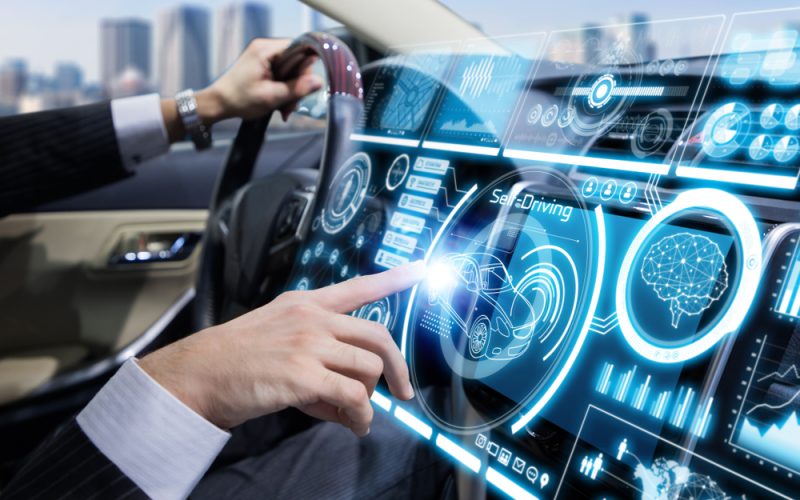
While blockchain powers the backend, automotive mobile apps make transparency accessible to everyday users. These apps provide user-friendly interfaces that connect car owners, buyers, and dealerships to blockchain data in real time.
Features of Blockchain-Powered Automotive Apps
- Digital Vehicle Passports: A complete record of a car’s ownership, maintenance, and service history.
- Secure Ownership Transfer: Instantly transfer ownership through blockchain verification.
- Maintenance Tracking: Automatically log repair and part replacement details.
- Insurance Integration: Enable insurers to verify claim authenticity instantly.
- IoT Connectivity: Connect vehicles to apps for real-time performance and safety data logging.
By combining blockchain and mobile app technology, the automotive ecosystem becomes more connected, accountable, and efficient.
Real-World Use Cases
- Used Car Marketplaces: Blockchain and automotive apps allow buyers to check genuine vehicle histories, eliminating fraud from used car transactions.
- Leasing and Fleet Management: Fleet management apps integrated with blockchain help companies track vehicles, verify usage, and ensure transparent maintenance records.
- Insurance and Accident Claims: Insurance companies use blockchain data to validate accident histories and prevent false claims.
- Electric Vehicles and Sustainability Tracking: Blockchain can also track battery usage, recycling, and carbon footprint to support green initiatives in the EV sector.
Advantages for Key Stakeholders
| Stakeholder | Benefits |
|---|---|
| Car Owners | Complete transparency of ownership and maintenance data |
| Buyers | Verified and fraud-proof vehicle history |
| Dealers | Faster, more secure transactions |
| Fleet Managers | Efficient tracking and audit-proof records |
| Insurance Companies | Reliable, tamper-proof claim validation |
The Future of Transparent Vehicle Ownership
As blockchain and automotive app technologies evolve, we can expect:
- Global Vehicle Registries: Decentralized databases accessible across borders.
- AI + Blockchain Integration: Predictive analytics for maintenance and resale value.
- NFT-based Ownership Certificates: Secure, verifiable digital ownership proofs.
- Smart Mobility Ecosystems: Vehicles communicating with cities, insurers, and service providers in real time.
This digital transformation will make vehicle ownership not only more transparent but also smarter and more connected.
Conclusion
Blockchain and automotive apps are redefining trust in the automotive industry. By creating immutable records, seamless transfers, and transparent histories, these technologies empower consumers, businesses, and regulators alike. As adoption increases, we move closer to a future where vehicle ownership is 100% transparent, secure, and efficient.
Frequently Asked Questions (FAQs)
Q1. How does blockchain improve vehicle ownership transparency?
Blockchain creates an immutable record of every vehicle transaction—from manufacturing to resale—ensuring that ownership and service histories cannot be altered or falsified. This builds trust between buyers, sellers, and regulators.
Q2. Can blockchain eliminate car fraud completely?
While blockchain significantly reduces fraud like odometer tampering and fake ownership documents, complete elimination depends on widespread adoption and integration across all stakeholders in the automotive ecosystem.
Q3. What role do mobile apps play in blockchain-based vehicle management?
Mobile apps act as the interface between users and the blockchain. They allow users to view verified records, transfer ownership securely, and track maintenance or insurance data seamlessly.
Q4. Is blockchain technology already being used in the automotive industry?
Yes. Several leading automakers and startups are experimenting with blockchain for digital vehicle passports, supply chain tracking, and ownership verification systems.
Q5. How can blockchain benefit fleet management companies?
Fleet management companies can use blockchain to track vehicle usage, verify maintenance logs, and ensure transparency across multiple stakeholders. This reduces disputes and increases operational efficiency.
Q6. What is the future of blockchain in vehicle ownership?
The future points toward decentralized global registries, smart contracts for instant transfers, and integration with IoT and AI for predictive maintenance and enhanced safety insights.