





Everyone deserves to live in a safe, clean, and comfortable home. Unfortunately, many tenants across the UK continue to live in properties with serious maintenance problems because landlords fail to carry out essential repairs. A disrepairing house can affect your health, safety, and overall quality of life. Problems such as damp and mould, leaking roofs, broken heating systems, faulty electrics, and damaged plumbing can make daily living difficult and even dangerous.
The good news is that tenants have legal rights. Landlords have a legal duty to keep rental properties in good condition and carry out repairs within a reasonable time. If they fail to do so, tenants may be able to request urgent repairs and claim financial compensation. Understanding your rights and knowing how to take action can help you improve your living conditions and hold negligent landlords accountable. This guide explains everything you need to know about living in a disrepairing house and the steps you can take to protect yourself.
What Is a Disrepairing House?
A disrepairing house is a rental property that has significant maintenance or structural problems that the landlord has failed to fix. These issues can affect the safety, comfort, and health of everyone living in the property.
Unlike minor cosmetic damage, housing disrepair includes problems that interfere with everyday living or create health risks. Examples include leaking roofs, broken boilers, damp walls, mould growth, damaged flooring, unsafe electrical systems, broken windows, and plumbing faults. If these issues continue after you have informed your landlord, you may have legal grounds to seek repairs and compensation.
Common Problems Found in Disrepairing Houses
Many tenants experience similar repair issues that can quickly become serious if ignored. Damp and mould are among the most common problems. They can trigger allergies, asthma, and other respiratory illnesses, especially in children and older adults.
Leaking roofs and plumbing issues can damage walls, ceilings, flooring, and personal belongings. Water leaks also increase the risk of electrical hazards and mould growth. Broken heating systems are another major concern, particularly during colder months. Every tenant has the right to reliable heating and hot water.
Faulty electrical wiring presents significant safety risks, including electrical shocks and fire hazards. Likewise, broken windows and damaged doors reduce security and allow cold air and moisture into the home. These issues should never be ignored. Reporting them early helps protect both your health and your legal rights.
Understanding Your Rights as a Tenant
UK law protects tenants from living in unsafe housing conditions. Under the Landlord and Tenant Act 1985 and the Homes (Fitness for Human Habitation) Act 2018, landlords are legally responsible for maintaining the structure of the property and ensuring essential services remain in working order.
This includes maintaining roofs, walls, windows, doors, heating systems, plumbing, gas installations, and electrical wiring. As a tenant, you have the right to live in a property that is safe, secure, and suitable for everyday living. If your landlord ignores repair requests, you can take legal action to enforce your rights.
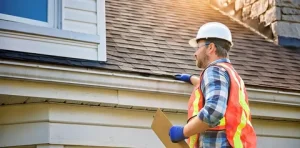
When Can You Make a Housing Disrepair Claim?
Not every repair issue automatically leads to a legal claim. However, you may be eligible if certain conditions are met.
- First, you must notify your landlord about the problem. It is always best to do this in writing so there is clear evidence that the issue was reported.
- Second, your landlord must have had a reasonable opportunity to complete the repairs but failed to act. In many cases, tenants wait several months without seeing any progress.
- Finally, the disrepair should affect your health, safety, comfort, or daily life. If the problem has damaged your belongings or caused illness, this may strengthen your claim.
Keeping detailed records throughout this process is extremely important.
How to Build a Strong Housing Disrepair Claim
Good documentation can make a significant difference when making a claim. Take clear photographs and videos of every repair issue. Continue updating them if the damage becomes worse over time. Save copies of emails, letters, text messages, and repair requests sent to your landlord. Record the dates when problems were first reported and any responses received.
If your health has been affected, keep copies of medical reports, prescriptions, or doctor’s notes that connect your illness to the poor housing conditions. You should also keep receipts for any expenses caused by the disrepair, including damaged furniture, additional heating costs, or temporary accommodation if required.
Benefits of Making a Housing Disrepair Claim
Many tenants hesitate because they believe making a claim will be complicated. However, taking legal action often produces positive results. One major benefit is that landlords are usually required to complete outstanding repairs much faster once legal proceedings begin.
You may also receive financial compensation for inconvenience, damaged belongings, health problems, or reduced enjoyment of your home. Many legal firms offer No Win No Fee services, allowing tenants to pursue claims without worrying about large upfront legal costs. Most importantly, making a claim encourages landlords to meet their legal responsibilities and helps improve housing standards for other tenants as well.
Tips for Protecting Your Rights
Taking a few simple steps can strengthen your position if repairs are delayed. Always report problems as soon as they appear. Keep written records of every conversation with your landlord or housing association.
Photograph all damage regularly to show how conditions change over time. Avoid carrying out major repairs yourself unless it is an emergency, as this may complicate your claim. If the landlord continues to ignore your requests, seek professional legal advice without unnecessary delays. Being organized and proactive can greatly improve the outcome of your case.
Why Professional Legal Support Matters
Housing disrepair claims involve legal procedures that can sometimes feel overwhelming. Working with experienced housing disrepair solicitors makes the process much easier. Legal professionals understand housing laws, gather supporting evidence, communicate with landlords, and negotiate compensation on your behalf.
Their expertise allows you to focus on your health and family while they handle the legal process. Many specialist firms also provide free consultations and No Win No Fee agreements, making legal support accessible to more tenants.
Conclusion
Living in a disrepairing house should never become something tenants simply accept. Every renter has the legal right to live in a safe, healthy, and well-maintained property. When landlords fail to carry out essential repairs, tenants have the right to demand action and seek compensation for the hardship they have experienced.
By documenting repair issues, understanding your legal rights, and seeking professional support when necessary, you can improve your living conditions and protect your wellbeing. Taking action not only benefits you and your family but also encourages higher housing standards across the rental sector. If you are currently living in poor conditions, do not ignore the problem. The sooner you act, the sooner you can secure the safe and comfortable home you deserve.