



Mastering the backyard grill is a quintessential summer rite of passage. When the sun stays out longer and the air turns warm, a familiar scent begins to drift through the neighborhood. It is the unmistakable, mouthwatering aroma of charcoal, wood smoke, and searing protein. For many, a barbecue is more than just a way to cook dinner; it is a social event, a culinary hobby, and a primal connection to fire and food.
However, true BBQ mastery requires more than just throwing a steak over a flame and hoping for the best. It is a craft that balances chemistry, patience, and high-quality ingredients. Whether you are a beginner picking up tongs for the first time or a seasoned pitmaster looking to refine your “low and slow” game, understanding the mechanics of heat and flavor is essential. This guide will walk you through the foundational techniques and provide professional-grade recipes to transform your next cookout into a gourmet experience.
The Foundation: Mastering Grilling Techniques
Every great meal starts with a solid foundation. In the world of BBQ, that foundation is your equipment and how you manage the heat living inside it.
1. Preparing the Stage
You wouldn’t cook a five-star meal in a dirty pan, and your grill should be no different. A clean grill is the secret to those beautiful, professional sear marks.
Pro Tip: After scrubbing, lightly oil the grates using a folded paper towel dipped in vegetable oil. This creates a non-stick surface that ensures your delicate fish or marinated chicken stays in one piece when you flip it.
2. Direct vs. Indirect Heat: The Great Divide
Understanding heat zones is the single biggest “level up” for any outdoor cook.
-
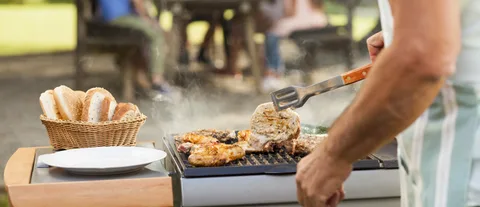
Direct Heat: This is exactly what it sounds like. You place the food directly over the coals or burners. Use this for thin cuts that cook fast, such as burgers, hot dogs, asparagus, or shrimp. The goal here is a quick sear and a charred exterior.
-
Indirect Heat: This technique turns your grill into an outdoor oven. You light only one side of the grill and place the food on the unlit side. This is vital for thick steaks (the reverse sear method), whole chickens, or ribs. Indirect heat prevents the outside from burning before the inside reaches the perfect temperature.
3. The Science of Flavor: Marinades and Rubs
Texture and taste depend heavily on how you prep your meat before it ever touches the grate.
-
Marinades: These are liquid baths designed to tenderize and hydrate. They usually contain an acid (like vinegar or citrus), an oil, and aromatics. Because acid breaks down muscle fibers, marinades work best on tougher cuts like flank steak or chicken breasts.
-
Dry Rubs: If you want a “crust” or “bark,” rubs are your best friend. A mix of salt, sugar, and spices creates a savory seal on the meat. Salt is the most important ingredient here; it penetrates deep into the tissue, seasoning the meat from the inside out. Apply your rub at least 30 minutes before grilling to let the spices adhere.
Mouthwatering Recipes to Elevate Your Game
Once you have the techniques down, it is time to put them into practice. Here are three distinct recipes that cover the spectrum of the BBQ world.
1. Competition-Style Smoked Ribs
Nothing says “BBQ Master” quite like a rack of ribs that peels away from the bone with just a slight tug.
The Prep: Start with a rack of St. Louis-cut pork ribs. Remove the thin, papery membrane from the back of the bones to allow the smoke to penetrate. Coat the meat in a layer of yellow mustard (it acts as a binder; you won’t taste it later) and apply a generous coating of a sweet and spicy rub. Use a blend of brown sugar, smoked paprika, garlic powder, onion powder, and cayenne.
The Cook: Set your grill for indirect heat at 225°F. Add hickory or applewood chunks to the coals. Smoke the ribs for three hours, then wrap them in foil with a splash of apple juice for two more hours. This “Texas Crutch” method steams the meat to perfect tenderness.
The Finish: Unwrap the ribs and brush them with a thick, molasses-based BBQ sauce. Place them over direct heat for just two minutes per side to caramelize the sugars into a sticky, mahogany glaze.
2. Charred Rainbow Vegetable Skewers
BBQ isn’t just for carnivores. Vegetables undergo a magical transformation when exposed to high heat and smoke.
The Prep: Choose vegetables with similar cooking times. Bell peppers, red onions, zucchini, and cremini mushrooms work perfectly together. Cut them into uniform, one-inch chunks. In a large bowl, toss them with olive oil, balsamic vinegar, dried oregano, and plenty of cracked black pepper.
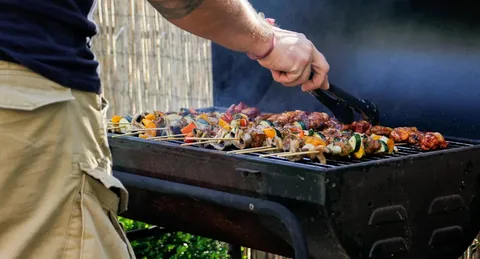
The Cook: Thread the vegetables onto metal skewers, leaving a tiny bit of space between each piece so the heat can circulate. Grill them over direct medium-high heat.
The Secret: Don’t move them too much! Let them sit for 3 to 4 minutes per side until you see dark, blistered edges. This “char” provides a smoky bitterness that balances the natural sweetness of the grilled onions and peppers. Serve these with a dollop of Greek yogurt mixed with fresh dill and lemon zest.
3. Pacific Coast Cedar Plank Salmon
This method is a show-stopper that combines steaming and smoking simultaneously.
The Prep: Purchase food-grade cedar planks and soak them in water for at least one hour. This is a non-negotiable step; if the board is dry, it will catch fire. Lay a fresh side of Atlantic salmon on the damp board. Season simply with sea salt, lemon slices, and fresh sprigs of rosemary.
The Cook: Place the entire plank over indirect heat and close the grill lid. As the board heats up, it releases moisture and a distinct woody aroma that infuses directly into the fish.
The Result: After about 15 to 20 minutes, the salmon will reach an internal temperature of 135°F. The result is a buttery, flakey texture that you simply cannot achieve by placing the fish directly on the grates. It’s elegant, healthy, and incredibly easy to clean up.
Conclusion: The Joy of the Open Flame
Mastering the art of the barbecue is a lifelong journey of exploration. It is about learning how different woods—like mesquite or cherry—affect the flavor of your food. It is about the patience required to wait for a brisket to reach its peak. Most importantly, it is about the community that forms when people gather around a fire.
By utilizing active heat management, prepping your ingredients with care, and experimenting with different cooking vessels like cedar planks, you move beyond “cooking” and start “crafting.” The next time you fire up the grill, don’t just rush the process. Enjoy the sizzle, watch the smoke, and savor the creative freedom that comes with outdoor cooking. Your guests—and your palate—will certainly thank you.