





The rapid evolution of blockchain technology has transformed the way financial instruments, commodities, and real-world assets are represented and traded. Among the most significant innovations is asset-backed tokenization, a process that converts physical or tangible assets into blockchain-based digital tokens. These tokens represent ownership or economic rights in an underlying asset, whether it be real estate, commodities, precious metals, or financial instruments.
By bridging the gap between traditional assets and digital finance, asset-backed tokenization solutions are unlocking unprecedented opportunities for investors, institutions, and businesses alike. They combine the reliability of tangible assets with the efficiency, transparency, and programmability of blockchain technology, creating a new paradigm for asset management and investment.
Understanding Asset-Backed Tokenization
Asset-backed tokenization involves creating digital tokens on a blockchain that are fully or partially backed by tangible or intangible assets. Each token represents a proportional claim on the underlying asset, ensuring that the token carries inherent value linked to real-world assets.
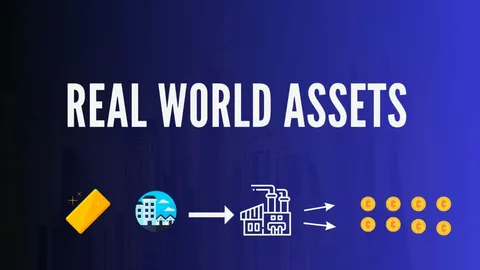
For example, a gold-backed token represents ownership of a specific amount of physical gold held in a secure vault. Similarly, a real estate token may represent fractional ownership of a commercial property or a portion of rental income from a building. The blockchain ledger records each token issuance, transfer, and transaction, ensuring transparency, security, and immutability.
Smart contracts, self-executing agreements encoded on the blockchain, automate crucial processes such as token issuance, revenue distribution, compliance, and transfer of ownership. This automation reduces administrative overhead, minimizes errors, and ensures that asset-backed tokens operate in a reliable, secure, and auditable manner.
Bridging the Gap Between Traditional and Digital Finance
Asset-backed tokenization effectively bridges traditional finance and digital finance. It allows investors to access real-world assets in digital form, facilitating faster, more efficient trading and ownership transfers. This creates a new investment landscape in which digital assets are not just speculative cryptocurrencies but are grounded in tangible value.
Traditional financial markets often suffer from inefficiencies such as delayed settlement times, high transaction costs, and limited accessibility. Tokenization addresses these issues by digitizing ownership and automating transactions, making financial systems more inclusive, transparent, and efficient. Investors, particularly retail participants, can now gain exposure to assets that were previously difficult to access due to high capital requirements or geographic limitations.
Key Benefits of Asset-Backed Tokenization Solutions
1. Enhanced Liquidity for Traditionally Illiquid Assets
Many valuable assets, such as real estate, fine art, or private equity, are traditionally illiquid. Tokenization converts these assets into digital tokens that can be traded on blockchain-based platforms, increasing liquidity significantly.
For instance, a real estate property tokenized into hundreds or thousands of digital shares allows investors to buy or sell portions of the property without needing to sell the entire asset. This enhanced liquidity attracts a broader investor base, facilitates faster capital allocation, and improves overall market efficiency.
2. Fractional Ownership and Accessibility
Tokenization enables fractional ownership of high-value assets, reducing the minimum investment threshold. This democratizes access to investment opportunities that were previously restricted to high-net-worth individuals, institutions, or accredited investors.
For example, instead of purchasing an entire commercial building, an investor can acquire a fraction of the asset through tokenized shares, gaining proportional ownership and access to income or appreciation. Fractional ownership enhances portfolio diversification, spreads risk, and allows smaller investors to participate in high-value markets globally.
3. Transparency and Trust
Blockchain technology provides an immutable, publicly verifiable record of ownership and transactions. Asset-backed tokens enable real-time tracking of asset provenance, ownership transfers, and revenue distribution.
Investors benefit from increased transparency, as every token issuance, transfer, and payout is auditable. This reduces disputes, minimizes counterparty risk, and fosters trust between asset managers, issuers, and token holders. Regulatory compliance is also easier to demonstrate, as records are verifiable and tamper-proof.
4. Reduced Costs and Operational Efficiency
Asset-backed tokenization reduces reliance on intermediaries such as brokers, escrow agents, or custodians. Smart contracts automate processes such as token issuance, ownership transfers, dividend payouts, and compliance checks.
This automation reduces administrative costs, minimizes human errors, and accelerates operational workflows. Developers, asset managers, and investors benefit from streamlined operations, faster settlement times, and lower transaction fees compared to traditional methods.
5. Global Reach and Investor Access
Digital asset tokens are inherently borderless, enabling global investors to access asset-backed opportunities regardless of their geographic location. This expands the investor pool, enhances capital-raising potential, and promotes financial inclusion.
For example, a tokenized real estate property in Europe can attract investors from Asia, North America, and other regions without the complexities of cross-border banking, regulatory compliance, or physical asset management. Increased global participation can drive higher liquidity and improve the efficiency of capital allocation.
6. Programmable and Customizable Asset Features
Smart contracts allow asset-backed tokens to be programmable, enabling developers to design tokens with specific features, such as revenue-sharing mechanisms, voting rights, or redemption schedules.
For example, a tokenized real estate asset can distribute rental income automatically to token holders based on their ownership stake. Programmable tokens can also incorporate rules for compliance, transfer restrictions, and automatic dividend payouts, making asset management more efficient, transparent, and flexible.
7. Security and Risk Mitigation
Asset-backed tokens carry inherent value due to their backing by tangible assets, reducing exposure to the extreme volatility seen in purely speculative digital assets. Investors gain the benefits of blockchain-based ownership, including cryptographic security, immutability, and traceability, while maintaining confidence in the underlying asset’s value.
Furthermore, tokenization platforms often employ secure custodial solutions, multi-signature wallets, and insurance coverage to protect the underlying assets and investor holdings. This combination of blockchain security and tangible asset backing mitigates investment risk and enhances trust.
8. Faster Settlement and Efficient Capital Flows
Traditional asset transfers, such as real estate or private equity, often take weeks or months to complete due to legal processes, escrow requirements, and intermediary involvement. Tokenization enables near-instantaneous transfers of digital ownership on the blockchain, facilitating faster capital flows.
This speed enhances liquidity, reduces operational risk, and allows investors to react more quickly to market opportunities. Developers and asset managers can also raise capital more efficiently, accelerating project timelines and improving financial planning.
9. Enhanced Transparency for Regulatory Compliance
Blockchain records provide regulators with clear, verifiable, and auditable data on asset ownership, transactions, and revenue distribution. This level of transparency simplifies compliance with securities regulations, anti-money laundering (AML) laws, and know-your-customer (KYC) requirements.
Asset-backed tokens can be structured to include regulatory permissions, transfer restrictions, and reporting mechanisms, ensuring that both issuers and investors remain compliant with evolving legal frameworks.
Use Cases of Asset-Backed Tokenization
Asset-backed tokenization can be applied across diverse asset classes:
-
Real Estate: Residential, commercial, and industrial properties can be tokenized to raise capital, enable fractional ownership, and improve liquidity.
-
Commodities: Gold, silver, oil, and other physical commodities can be tokenized to create tradable digital assets backed by tangible value.
-
Fine Art and Collectibles: High-value art, rare collectibles, and luxury items can be fractionalized through tokenization, allowing broader investor participation.
-
Financial Instruments: Bonds, loans, or private equity stakes can be tokenized to increase liquidity, transparency, and global accessibility.
-
Intellectual Property: Patents, trademarks, and copyrights can be tokenized, enabling fractional ownership and revenue-sharing models for IP-based assets.
Challenges and Risk Mitigation
While asset-backed tokenization provides numerous benefits, challenges remain:
-
Regulatory Complexity: Compliance with securities laws, AML/KYC regulations, and cross-border legal frameworks is critical. Partnering with experienced legal and regulatory advisors is essential.
-
Market Adoption: Investors and asset managers may be unfamiliar with blockchain-based asset tokenization. Education, awareness campaigns, and demonstration of successful use cases help drive adoption.
-
Technological Risks: Smart contract vulnerabilities, hacking threats, or platform failures can pose risks. Regular audits, secure wallets, and insurance coverage are necessary to mitigate these risks.
-
Liquidity Risk: Secondary markets for tokenized assets may initially have limited trading activity. Collaboration with established marketplaces and liquidity providers can address this concern.
Future Outlook
The adoption of asset-backed tokenization is expected to grow rapidly as blockchain technology matures, regulatory frameworks stabilize, and investor awareness increases. Tokenized assets will likely become a standard method for accessing real-world investments in real estate, commodities, art, and financial instruments.
Integration with decentralized finance (DeFi) platforms may further enhance asset-backed token utility, enabling automated lending, staking, and collateralization. Artificial intelligence (AI) and data analytics can improve valuation models, risk assessment, and portfolio management, making asset-backed tokens more attractive to both institutional and retail investors.
As adoption scales, tokenized assets may redefine traditional finance, unlocking previously illiquid assets, improving capital allocation efficiency, and providing investors with a safer, more transparent, and accessible means of wealth creation.
Conclusion
Asset-backed tokenization solutions are transforming the digital asset landscape by combining blockchain technology with tangible value. They offer enhanced liquidity, fractional ownership, global accessibility, automated revenue distribution, and improved transparency.
Investors gain access to a broad range of real-world assets in digital form, while issuers benefit from faster capital raising, lower costs, and streamlined operations. Despite challenges such as regulatory compliance and technological risks, the benefits of asset-backed tokenization make it a powerful tool for modern finance.
As adoption grows, asset-backed tokens are poised to revolutionize how real-world and digital assets are owned, managed, and traded, creating a more inclusive, efficient, and transparent financial ecosystem for investors and businesses worldwide.