






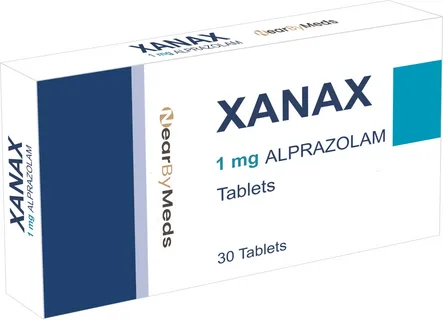
Xanax Alprazolam 1mg Kaslol is a prescription medication often used to treat anxiety and panic disorders. The active ingredient, alprazolam, is a benzodiazepine that works quickly to calm the central nervous system. Those who face intense worry, sudden panic attacks, or overwhelming stress may find relief through this medication, but it is essential to use it under a doctor’s guidance.
Before starting treatment, it’s crucial to comprehend how Xanax works, its applications, proper dosage, potential side effects, and safety considerations.
What Is Alprazolam?
Xanax 1mg Kaslol is a specific formulation of alprazolam available in certain markets. The 1mg dosage is considered moderate and is typically prescribed based on symptom severity, individual response, and the patient’s medical history. In particular, Kaslol represents one of the brand names for alprazolam in various countries.

How Does Xanax Work?
Alprazolam enhances the effects of gamma-aminobutyric acid (GABA), a natural brain chemical that reduces nerve activity. By increasing GABA levels, this medication slows excessive brain signals, providing a calming effect. Patients often experience relief within 30 to 60 minutes after taking a dose, making it particularly effective during acute anxiety episodes or panic attacks.
Common Uses of Xanax Alprazolam
Xanax is usually prescribed for several conditions, including:
- Generalized Anxiety Disorder (GAD): This medication helps manage persistent and excessive worry that hinders daily life.
- Panic Disorder: For individuals who experience sudden panic attacks with symptoms like rapid heartbeat, dizziness, or chest tightness, alprazolam can be beneficial.
- Short-Term Anxiety Relief: Doctors may prescribe Xanax temporarily during stressful life situations to manage heightened anxiety.
- Anxiety Linked With Depression: Sometimes, anxiety accompanies depression. In such cases, alprazolam may be part of a broader treatment plan.
Recommended Dosage
Dosage varies among individuals. While 1mg tablets are common, doctors may adjust the prescribed amount based on:
- Age
- Severity of symptoms
- Overall health
- Response to treatment
It’s vital to follow your healthcare provider’s instructions. Taking higher doses without professional supervision can lead to side effects and increase the risk of dependence.
Possible Side Effects
Like all medications, Xanax can cause side effects, although many are mild and may diminish as the body adjusts. Common side effects include:
- Drowsiness
- Dizziness
- Fatigue
- Memory difficulties
- Reduced concentration
However, be alert for serious side effects such as mood changes, confusion, breathing difficulties, or allergic reactions. Get urgent medical help if any of these happen.
Risk of Dependence
One crucial consideration is the potential for dependence. Benzodiazepines, including alprazolam, can be habit-forming, particularly if used for extended periods or at high doses. Therefore, doctors usually recommend short-term use.
Stopping Xanax suddenly may trigger withdrawal symptoms, such as:
- Increased anxiety
- Insomnia
- Irritability
- Sweating
- Tremors
In rare cases, severe withdrawal can lead to seizures. For this reason, any dosage reduction should be gradual and monitored by a healthcare professional.
Important Precautions
Before using Xanax, inform your doctor if you have:
- A history of substance abuse
- Liver or kidney conditions
- Breathing disorders
- Pregnancy or breastfeeding concerns
- Current use of opioids, antidepressants, or other sedatives
Mixing alprazolam with alcohol or other medications can increase sedation and pose serious health risks.
Who Should Avoid This Medication?
Xanax may not be suitable for individuals with:
- Severe respiratory issues
- Narrow-angle glaucoma
- A history of benzodiazepine misuse
- Certain untreated psychiatric disorders
Consulting with a healthcare provider is necessary to determine if this medication is appropriate for your situation.
Safe Usage Tips
To ensure safe and effective treatment, consider these guidelines:
- Take the medication strictly as prescribed.
- Avoid alcohol while taking Xanax.
- Do not drive or operate heavy machinery until you know how Xanax affects you.
- Store tablets safely to prevent misuse.
- Do not share your prescription with others.
-
If you forget a dose, take it when you remember, unless it’s near the time for your next dose. Never double up on doses.
Long-Term Anxiety Management Strategies
While Xanax can provide quick relief from anxiety, it’s generally not a long-term solution. Many healthcare providers recommend combining medication with non-drug interventions, such as:
- Cognitive Behavioral Therapy (CBT): This therapeutic approach can help modify negative thought patterns.
- Stress Management Techniques: Strategies like mindfulness can help reduce anxiety.
-
Consistent Physical Activity: Engaging in exercise positively impacts mental well-being
- Healthy Sleep Habits: Good sleep is crucial for overall well-being.
- Relaxation Practices: Techniques like meditation can significantly alleviate anxiety.
By addressing the root causes of anxiety, you can reduce reliance on medication over time.
Final Thoughts
If you consider using Xanax or have already been prescribed this medication, it’s essential to consult your healthcare provider for personalized advice. Responsible use, proper monitoring, and a comprehensive treatment plan can help ensure both safety and effectiveness while minimizing risks.
If you think Xanax may be the right option for you, speak with a qualified healthcare professional for a thorough evaluation. Integrating medical guidance with supportive lifestyle changes can enhance safety and effectiveness in managing anxiety symptoms.