






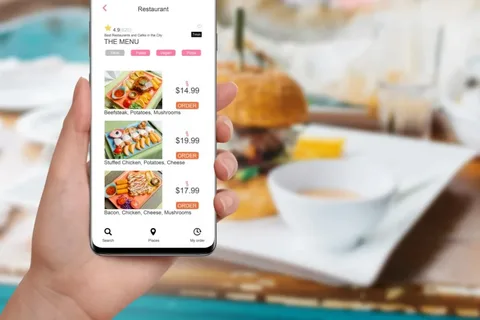
The restaurant industry is evolving at an unprecedented pace, with digital transformation becoming not just a luxury but a necessity. The rise of online food ordering has reshaped customer expectations, emphasizing convenience, speed, and personalization. In this landscape, restaurants are increasingly turning to white label online food ordering systems to gain control over their digital presence, streamline operations, and enhance customer engagement. These platforms are no longer optional tools—they are critical technology assets driving efficiency, scalability, and competitiveness in the modern food service market.
The Digital Shift in Restaurant Operations
Consumers today expect seamless, intuitive digital experiences when ordering food. Traditional methods, such as phone-in orders or in-person visits, are no longer sufficient to meet the demands of a tech-savvy clientele. White label online food ordering systems allow restaurants to provide a fully branded digital platform where customers can browse menus, place orders, and pay securely. These systems integrate order management, kitchen operations, and delivery logistics into a single technological ecosystem, reducing operational complexity while improving speed and accuracy.
Restaurants adopting these systems are not only improving convenience for customers but also gaining operational insight. By digitizing orders, they can track inventory in real-time, manage peak-hour traffic, and analyze customer behavior to make informed business decisions. Technology is transforming restaurants from transactional operations into data-driven enterprises capable of anticipating and responding to market demands.
The Role of White Label Food Delivery Apps
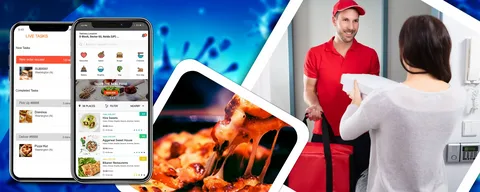
A white label food delivery app complements the online ordering system by extending the experience to mobile devices. With the majority of food orders now placed via smartphones, having a mobile-first platform is essential. These apps allow restaurants to maintain brand identity, provide real-time order tracking, and enable secure payments. From a technological perspective, they leverage cloud infrastructure, push notifications, and integrated payment APIs to ensure seamless functionality.
Unlike generic third-party apps, which can dilute brand identity and control over customer data, a white label solution allows restaurants to own the digital interaction. By integrating loyalty programs, personalized offers, and real-time notifications, restaurants can create a more engaging and retention-oriented customer experience.
Multi-Vendor Platforms: Expanding Horizons
While single-brand systems work for individual restaurants, multi-vendor food delivery apps are gaining traction among aggregators and chains seeking to scale. These platforms allow multiple restaurants to operate under one app while maintaining separate branding and menus. The technological complexity increases significantly, as the system must handle multiple inventories, dynamic pricing, vendor-specific promotions, and concurrent orders.
Advanced architecture using microservices and distributed databases ensures that multi-vendor platforms can handle high traffic without downtime. Load balancing, containerized deployments, and caching solutions like Redis or Memcached allow these systems to operate efficiently at scale. This flexibility enables restaurants and aggregators to serve more customers without compromising on performance or reliability.
Integration and Automation: A Technological Necessity
Modern white label online food ordering systems excel in their ability to integrate with existing restaurant technologies. POS systems, inventory management software, CRM platforms, and delivery management tools can all be connected via APIs. This level of integration reduces manual tasks, minimizes errors, and creates a unified operational workflow.
Automation extends beyond internal operations to customer engagement. Predictive analytics can forecast peak order times, automated notifications inform customers about delivery updates, and AI-driven recommendations suggest menu items. By leveraging integration and automation, restaurants are able to optimize efficiency and enhance customer experience simultaneously.
Security: Protecting Data in a Digital Era
With the digitization of orders, security has become a critical concern. White label online food ordering systems implement end-to-end encryption, secure payment gateways, and role-based access control to protect sensitive customer and business data. Compliance with standards such as PCI DSS and GDPR is essential, ensuring that personal and financial information is safeguarded against breaches.
Advanced monitoring systems also detect anomalies and potential fraud, while regular audits and penetration testing help maintain robust security postures. For restaurants, investing in secure technology is not optional—it is an operational requirement to maintain trust and protect brand reputation.
Cloud Infrastructure and Scalability
Cloud computing forms the backbone of scalable white label online food ordering systems. Platforms leveraging cloud services such as AWS, Azure, or Google Cloud can dynamically scale resources to match demand. Auto-scaling and load balancing ensure that peak hours do not result in system crashes or slow response times, while centralized cloud databases allow real-time inventory, order, and customer data management.
The modular nature of cloud-native architecture also enables faster deployment of new features or updates. Restaurants that adopt cloud-based systems can maintain operational continuity, expand into new locations efficiently, and remain competitive in a market increasingly driven by digital capabilities.
AI and Machine Learning Applications
Artificial intelligence (AI) and machine learning are integral to next-generation white label online food ordering systems. AI algorithms analyze customer ordering patterns, suggest personalized menu items, and optimize delivery routes based on traffic and historical trends. Machine learning models can forecast demand, helping kitchens prepare the right volume of dishes at the right time.
Chatbots powered by AI provide instant customer support, answering queries about menu items, promotions, and delivery status without human intervention. These technologies not only improve operational efficiency but also enhance the customer experience, creating a more intelligent and responsive food service ecosystem.
Mobile Optimization and User Experience
Mobile optimization is crucial in a digital-first restaurant environment. White label food delivery apps prioritize user-friendly design, fast loading times, and intuitive navigation. Progressive Web Apps (PWAs) are often employed to combine the accessibility of websites with the speed and functionality of native apps.
Technologies like React Native, Flutter, and Swift/Kotlin are commonly used for native app development, while cloud-based push notification systems keep customers engaged. Optimized mobile experiences improve customer retention, encourage repeat orders, and strengthen brand loyalty.
Analytics and Data-Driven Decision Making
Modern restaurants rely heavily on analytics to drive decisions. White label food delivery apps collect detailed data on orders, peak hours, customer preferences, and delivery performance. Advanced ETL pipelines process this data into actionable insights, while business intelligence dashboards provide visualizations for operational monitoring.
Machine learning can predict future trends, helping restaurants optimize menu offerings, staffing schedules, and marketing campaigns. This integration of data into decision-making transforms restaurants into agile, insight-driven businesses capable of responding proactively to market changes.
Automation for Marketing and Loyalty Programs
Automation in white label online food ordering systems extends to marketing and customer engagement. Restaurants can send personalized promotions, discounts, and loyalty rewards automatically, increasing customer retention and lifetime value. AI-driven segmentation ensures messages are relevant and timely, enhancing campaign effectiveness.
By combining operational efficiency with targeted marketing automation, restaurants can create a holistic ecosystem where technology drives both the backend processes and front-end customer engagement.
Future-Proofing with Emerging Technologies
The evolution of restaurant technology continues, and forward-looking white label online food ordering systems are designed to adapt. Emerging technologies include voice-activated ordering, AR-based menu previews, IoT-enabled kitchens, and blockchain-based payments.
IoT devices can monitor food preparation in real-time, ensuring consistency and quality, while blockchain provides transparency in supply chain management and secure transactions. Modular, API-driven platforms allow restaurants to adopt these technologies seamlessly, future-proofing their operations in an increasingly competitive digital landscape.
Selecting the Right Development Partner
Restaurants seeking to implement white label online food ordering systems often consult top food delivery app development companies. Evaluating a food delivery app development company involves examining technical expertise, experience with scalable architectures, knowledge of secure payment integrations, and the ability to integrate with existing restaurant systems.
Vendor-neutral evaluation focuses on flexibility, performance, and scalability rather than brand or marketing hype. Partnering with the right technology provider ensures that the platform can adapt to future needs, handle peak loads efficiently, and maintain seamless operations across multiple locations.
The Competitive Advantage of Technology
Technology is no longer an operational afterthought—it is a competitive differentiator. Restaurants leveraging white label online food ordering systems, along with white label food delivery apps and multi-vendor food delivery apps, gain control over branding, customer experience, and operational efficiency. Cloud infrastructure, AI, real-time analytics, and automation provide measurable benefits in revenue, retention, and scalability.
Digital-first restaurants are better positioned to compete in a fast-evolving market. The adoption of these advanced systems enables businesses to respond quickly to changing customer demands, optimize internal workflows, and leverage insights for strategic growth.
Conclusion
The adoption of white label online food ordering systems represents a technology-driven transformation in the restaurant industry. From mobile optimization and AI-driven analytics to cloud infrastructure and secure payment systems, these platforms empower restaurants to operate efficiently, scale seamlessly, and deliver personalized customer experiences.
In a landscape where speed, convenience, and personalization are expected, technology is the defining factor in success. Restaurants that embrace white label food delivery apps and multi-vendor platforms, supported by robust analytics and automation, position themselves to thrive in a competitive and digitally dominated market. The future of food service is digital, and technology is the key to staying ahead.