




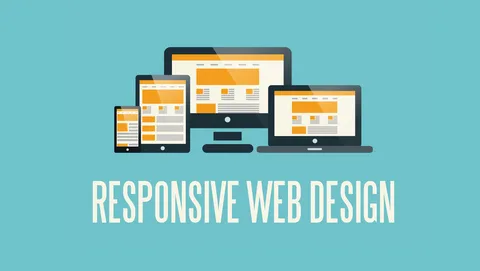
Responsive website design has become a critical factor in delivering a positive user experience in today’s digital landscape. Users access websites through smartphones, tablets, laptops, and desktops, expecting seamless performance on every screen.
Businesses that collaborate with a professional website designing company in dwarka understand the importance of building responsive websites that adapt smoothly to changing user behaviors and device preferences.
A responsive website is not just about adjusting layouts. It is about creating a consistent, intuitive, and engaging experience regardless of how users access your site. This approach directly impacts user satisfaction, trust, and long-term business success.
Understanding Responsive Website Design
Responsive website design allows a website to automatically adjust its layout, content, and elements based on the screen size and device orientation.
This ensures that users experience the same quality and functionality whether they are browsing on a mobile phone or a large desktop screen.
Instead of creating multiple versions of a website, responsive design uses flexible grids and adaptable elements. This simplifies maintenance while improving accessibility for a wide audience.
Why User Experience Matters in Digital Growth
Poor user experience often results in higher bounce rates and lost opportunities. Responsive design addresses these challenges by ensuring smooth usability across all devices.
Mobile-First Browsing Behavior
Mobile devices now account for a large portion of web traffic. Users expect websites to work perfectly on smaller screens without zooming or horizontal scrolling.
Professional website design services in Delhi often adopt a mobile-first approach, designing for smaller screens first and then scaling up. This ensures core content and functionality remain accessible and user-friendly at all times.
Improved Navigation and Accessibility
Responsive websites improve navigation by adapting menus and layouts to fit different screen sizes. Clear navigation helps users find information quickly, regardless of the device they use.
Accessibility also improves when text, buttons, and images adjust proportionally. This makes the website usable for a wider range of users, including those with different browsing preferences.
Faster Load Times and Performance Benefits
Responsive design contributes to better performance by optimizing content delivery. Images and elements load according to device capabilities, reducing unnecessary data usage.
Faster loading times enhance user satisfaction and reduce frustration. Speed also plays an important role in search engine rankings, making responsive design beneficial for visibility.
Consistent Brand Experience Across Devices
A responsive website ensures your brand looks consistent everywhere. Colors, fonts, and layouts remain aligned with brand identity, creating a unified experience.
Consistency builds trust and familiarity. When users encounter the same professional appearance across devices, they are more likely to engage confidently with your brand.
SEO Advantages of Responsive Design
Search engines favor responsive websites because they offer better user experiences. A single responsive site is easier to crawl and index than multiple versions.
Responsive design reduces duplicate content issues and improves page performance metrics. This contributes to better search visibility and organic traffic growth.
Higher Engagement and Conversion Rates
When users enjoy a smooth experience, they are more likely to take action. Responsive websites guide users naturally through content, increasing engagement.
Clear layouts and adaptable calls to action make it easier for users to complete desired actions. This directly impacts lead generation and sales performance.
Reduced Maintenance and Long-Term Efficiency
This efficiency saves time and resources while ensuring the website remains up to date. Businesses benefit from simplified management and long-term scalability.
Trust and Credibility Through Professional Design
Users often judge a business by the quality of its website. A responsive, well-designed website signals professionalism and reliability.
Websites that fail to adapt to different devices may appear outdated or neglected. Responsive design helps maintain credibility in competitive digital markets.
Supporting Future Technology Trends
This adaptability ensures long-term relevance and protects your investment in website development.
Enhancing Customer Satisfaction
A positive browsing experience leaves a lasting impression on users. Responsive websites reduce friction and make interactions effortless.
Satisfied users are more likely to return, recommend your business, and build long-term relationships with your brand.
Competitive Advantage in the Market
Businesses with responsive websites stand out in crowded markets. They offer convenience and accessibility that many users value highly.
A responsive website demonstrates that a business understands modern user expectations and prioritizes customer experience.
Conclusion
Responsive website design is essential for delivering better user experience in a multi-device world. It improves accessibility, performance, engagement, and trust while supporting long-term business growth.
By investing in responsive design, businesses ensure their websites remain relevant, user-friendly, and competitive in an ever-evolving digital environment.