




Many vehicles reach a stage where they can no longer remain on the road. Mechanical failure, accident damage, and heavy rust often lead to this situation. Owners then face a common question about what to do with a vehicle that no longer serves daily transport needs.
Some cars stay parked in driveways or garages for a long time. Owners may delay decisions because they do not know the next step. Even when a car stops running, it still contains materials and components that hold worth. Steel, aluminum, copper, rubber, and plastic form a large part of every vehicle.
Vehicle recycling yards and removal services handle these cars once they reach the end of their road life. Before the removal process begins, the vehicle usually goes through a valuation stage. This stage helps determine how much the vehicle is worth based on several factors.
Understanding how car valuation works helps owners learn what happens before a vehicle leaves their property.
Why Vehicle Valuation Matters
Car valuation plays an important role when an owner decides to remove or sell an old vehicle. The process helps determine the amount based on the car condition, age, and materials.
Several elements affect the final figure. These include the model of the vehicle, the year of manufacture, the condition of major parts, and the current demand for scrap metal.
Even vehicles that no longer run still contain metal and reusable components. For this reason, dismantling yards examine vehicles carefully before deciding the final amount.
This step also helps owners understand the real position of their vehicle in the recycling chain.
Learning About the Removal Process
Many people are not familiar with what happens after a vehicle is removed from their property. Car removal services transport the vehicle to dismantling yards where workers inspect and dismantle it.
These facilities handle the vehicle through organized stages. Workers remove fluids, detach usable parts, and prepare the body for metal recycling.
Factors That Influence Car Valuation
Several points influence how much a vehicle is worth during valuation. One of the main factors is the condition of the vehicle body. Heavy rust or severe structural damage may reduce the amount.
The working condition of the engine also plays a role. If the engine still functions, the vehicle may hold greater worth because the engine can assist repair work on other cars.
Another important factor is the demand for specific vehicle parts. Some models remain popular in repair markets because their parts remain useful for other vehicles.
Metal content also affects the valuation. Steel and aluminum form a large part of most cars. The demand for these metals often influences how dismantling yards assess scrap vehicles.
Inspection at the Dismantling Yard
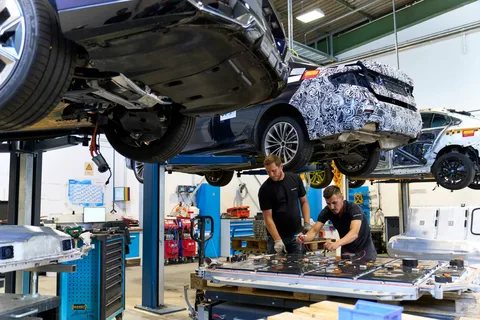
After the valuation stage, the vehicle moves to a dismantling yard. Workers begin a full inspection once the car arrives.
They check major mechanical components such as the engine, transmission, suspension, and electrical systems. Even when the vehicle cannot run again, several parts may still operate.
Components such as alternators, radiators, headlights, mirrors, and doors may remain usable. These items move into storage areas where they remain available for repair work on other vehicles.
Using recovered parts helps extend the working life of many vehicles.
Removal of Automotive Fluids
Vehicles contain several liquids that must be removed with care. These consist of engine oil, coolant, brake fluid, transmission fluid, and fuel.
Workers drain these liquids before dismantling begins. Special containers hold each fluid before it moves to treatment facilities.
Handling these substances correctly protects soil and water around the dismantling yard. Environmental guidelines across Australia require recycling yards to manage automotive fluids safely.
After this stage, workers begin removing mechanical components.
Removing Major Vehicle Parts
Mechanical dismantling involves removing large parts from the vehicle. Workers detach engines, gearboxes, batteries, and suspension systems using mechanical tools.
This stage prepares the vehicle structure for the metal recovery process.
Metal Recovery and Recycling
The body of most vehicles contains large amounts of steel. Aluminum also appears in engines, wheels, and several body panels.
After dismantling, the remaining vehicle structure enters metal processing systems. Large machines compress the metal body into compact shapes.
These shapes move to metal recycling plants where shredders break the metal into smaller pieces. Magnetic systems separate steel from other materials.
Aluminum and copper pass through separate sorting stages before entering melting furnaces. The melted metal later forms new products used in construction and manufacturing.
Recycling metal requires less energy compared with producing metal from raw ore.
Recycling of Plastic, Rubber, and Glass
Vehicles also contain several non metal materials. Plastic appears in dashboards, bumpers, and interior trims. Rubber forms tyres and seals. Glass appears in windscreens and windows.
Recycling facilities process plastic through grinding machines that convert it into small pellets. Manufacturers later use these pellets to produce new plastic products.
Tyres pass through shredding machines that turn rubber into small particles. These particles may appear in road construction and sports surfaces.
Glass moves through crushing and cleaning stages before returning to glass manufacturing plants.
Because of these steps, most parts of a vehicle return to industrial use.
Environmental Importance of Vehicle Recycling
Vehicle recycling plays an important role in environmental protection. Each car contains hundreds of kilograms of material that can return to use instead of entering landfill areas.
Recycling steel and aluminum reduces the need for mining activities. Mining often requires land clearing and heavy machinery.
Proper handling of vehicle fluids also protects soil and water sources. Recycling yards follow environmental rules when managing these substances.
Through these processes, vehicle recycling supports responsible waste management.
Role of Car Removal Services in Melbourne
Car removal services connect vehicle owners with recycling facilities. These services collect unused cars and transport them to dismantling yards.
One service involved in this process is Best Cash for Carz Melbourne. Many people searching for Car Valuation Melbourne often reach such services when they wish to understand how much their old vehicle may be worth before removal.
Through this system, vehicles that can no longer operate still contribute materials and parts that support repair work and manufacturing.
Economic Activity in the Recycling Sector
Automotive recycling supports several industries across Australia. Workers collect vehicles, dismantle parts, operate recycling machinery, and manage storage yards.
Repair workshops depend on parts recovered from dismantled vehicles. These components help maintain many cars that remain on the road.
Metal recycling plants also depend on scrap metal from dismantling yards. The recovered steel and aluminum support manufacturing sectors that produce machinery, building materials, and equipment.
Because of this network, vehicle recycling contributes to economic activity across several industries.
Conclusion
Every vehicle eventually reaches the end of its road life. Mechanical damage, rust, or accident impact may prevent it from running again.
Instead of leaving these vehicles unused, removal services transport them to dismantling yards. Workers inspect the vehicle, determine its worth through valuation, remove fluids, and dismantle parts.