




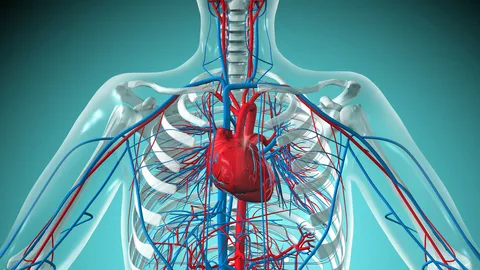
Vascular health is a critical component of overall male wellness. Consistent blood circulation, balanced nervous system activity, and stable hormonal interaction collectively influence physical responsiveness and confidence. When vascular efficiency experiences a minor decline from stress, aging, or lifestyle factors, mild therapeutic assistance might be appropriate with medical oversight.
This article presents a structured and professional discussion on how lower-strength Vascular Health support fits into a broader framework of circulatory health, lifestyle alignment, and long-term stability.
Section 1 – Vascular Relaxation and Blood Flow Regulation
Healthy blood vessels must expand and contract efficiently to meet the body’s changing oxygen demands. This process depends on endothelial function and nitric oxide signaling.
Nitric oxide is naturally produced within blood vessel walls and plays a central role in smooth muscle relaxation. When released, it signals the surrounding muscles to relax, allowing vessels to widen. This widening improves blood flow and enhances oxygen delivery to tissues.
Reduced nitric oxide activity or endothelial dysfunction may lead to decreased vascular flexibility. Contributing factors include:
-
Sedentary lifestyle
-
Chronic stress
-
Poor sleep patterns
-
Hypertension
-
Metabolic imbalance
Mild pharmacological support is sometimes introduced to assist this pathway when lifestyle adjustments alone are insufficient.
Section 2 – Clinical Perspective on Lower-Intensity Therapeutic Approaches
Healthcare providers often begin with conservative strategies when introducing Vascular Health support therapy. Lower-intensity approaches are commonly selected for:
-
Individuals new to treatment
-
Those with mild circulatory changes
-
Patients requiring careful tolerance assessment
-
Older adults needing cautious initiation
-
Individuals managing concurrent health conditions
A gradual approach allows clinicians to evaluate response, monitor side effects, and make necessary adjustments safely. The objective is to support physiological balance without excessive intervention.
Therapeutic decisions are based on medical history, cardiovascular health evaluation, and individual tolerance.

Section 3 – The Influence of Lifestyle on Treatment Outcomes
Medication effectiveness is significantly influenced by daily habits. Sustainable improvement requires attention to foundational health practices.
Physical Activity
Regular moderate exercise improves endothelial function and supports nitric oxide production. Recommended activities include:
-
Brisk walking
-
Light strength training
-
Cycling
-
Swimming
Exercise enhances circulation while improving heart efficiency.
Nutrition and Hydration
Balanced nutrition supports vascular integrity. Diets rich in antioxidants and essential nutrients promote endothelial health.
Beneficial dietary elements include:
-
Leafy greens
-
Berries and citrus fruits
-
Whole grains
-
Lean proteins
-
Healthy fats
Proper hydration maintains optimal blood viscosity and supports circulation.
Sleep and Recovery
Sleep regulates hormones and supports vascular repair. Inadequate sleep may increase stress hormones and elevate blood pressure, reducing circulatory efficiency.
Maintaining consistent sleep patterns enhances therapeutic response and overall stability.
Section 4 – Nervous System Regulation and Stress Management
The autonomic nervous system significantly influences vascular tone. Prolonged stress activates the sympathetic branch, leading to vascular constriction.
Chronic stress may cause:
-
Elevated cortisol levels
-
Increased muscular tension
-
Reduced nitric oxide availability
-
Decreased relaxation capacity
Stress management strategies include:
-
Deep breathing exercises
-
Mindfulness practices
-
Structured relaxation routines
-
Limiting excessive digital stimulation
When the parasympathetic system is regularly activated, vascular responsiveness improves.
Section 5 – Safety and Responsible Use
Any vascular support therapy should be used under professional medical supervision. Healthcare providers typically evaluate:
-
Cardiovascular stability
-
Blood pressure levels
-
Medication interactions
-
Liver and kidney function
-
Overall risk profile
Common side effects may include mild headache, flushing, nasal congestion, or dizziness. Most effects are temporary and dose-related.
Self-adjustment or unsupervised use is not recommended. Responsible medical oversight ensures safety and optimal benefit.
Long-Term Stability Framework
Sustainable performance consistency depends on a comprehensive health strategy:
-
Maintain routine cardiovascular evaluations.
-
Engage in moderate physical activity regularly.
-
Follow a nutrient-dense, balanced diet.
-
Prioritize restorative sleep.
-
Manage stress proactively.
-
Stay properly hydrated.
-
Follow prescribed medical guidance carefully.
Lower-intensity therapeutic support is most effective when integrated into these foundational habits.
Conclusion
Mild vascular support therapies play a supportive role in enhancing circulatory efficiency when guided by medical evaluation. Their effectiveness depends not only on pharmacological action but also on cardiovascular health, lifestyle alignment, and stress regulation.
Long-term stability is achieved through structured habits, professional oversight, and consistent health management. When physiological systems operate in balance, performance becomes more predictable and confidence strengthens naturally.
Frequently Asked Questions (FAQ)
1. What is meant by “vascular health” in this context?
Vascular health refers to the proper functioning of blood vessels, including their ability to expand and contract efficiently. Healthy vessels ensure consistent blood flow, oxygen delivery, and tissue responsiveness.
2. Why is nitric oxide important for circulation?
Nitric oxide is a naturally produced molecule that signals blood vessel walls to relax. This relaxation allows vessels to widen, improving blood flow and oxygen supply to tissues. Reduced nitric oxide availability can limit vascular flexibility.
3. What factors can reduce vascular efficiency?
Several lifestyle and health-related factors may influence vascular function, including:
-
Sedentary behavior
-
Chronic psychological stress
-
Poor sleep quality
-
High blood pressure
-
Metabolic imbalance
-
Aging-related endothelial changes
4. What does “lower-intensity therapeutic support” mean?
Lower-intensity therapeutic support refers to conservative, medically supervised approaches designed to gently assist vascular function. These approaches are typically used when symptoms are mild or when patients are beginning therapy and require tolerance assessment.
5. Who may benefit from a gradual therapeutic approach?
A cautious, step-based strategy is often appropriate for:
-
Individuals new to vascular support treatment
-
Older adults
-
Patients with mild circulatory concerns
-
Those managing other health conditions
-
Individuals requiring careful monitoring