




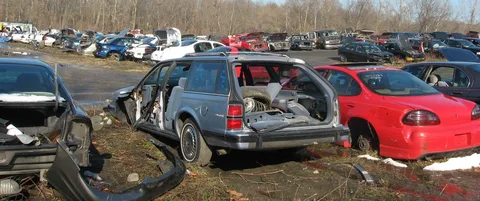
Many households across South Australia have one thing in common. Somewhere on the property sits a car that no longer serves a purpose.
It may be parked in the driveway, pushed to the side of the yard, or left standing near a fence with flat tyres and faded paint. At first, people plan to fix it or sell it later. Over time, weeks turn into months, and months turn into years. The car becomes part of the background.
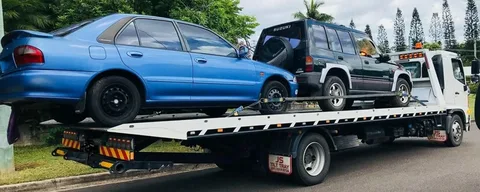
An unwanted car often carries memories. It may have been the first family vehicle, a daily work car, or something once reliable that slowly wore down. Letting go of it can feel difficult, not because of its condition, but because of habit and uncertainty.
Many people do not act because they believe removal will be complicated or that the vehicle has no worth.
The reality across South Australia is very different. Even cars that no longer run, are damaged, or are no longer registered still hold material worth.
Metal parts and components remain useful when handled through proper removal and recycling channels. Car removals exist for this reason. They allow owners to clear space while ensuring the vehicle is dealt with in a lawful and environmentally responsible way.
This article explains why unwanted cars should not be ignored, how unwanted car removal work in South Australia, and how turning an unused vehicle into cash is often a smarter option than leaving it to decay.
Why Unwanted Cars Should Not Be Left Sitting Unused
Leaving an unwanted car parked for long periods creates issues that grow over time. Fluids inside vehicles are not designed to remain still for years.
Oil, coolant, and transmission fluid can slowly leak, especially as seals break down. These substances may soak into soil, which can harm plants and groundwater.
Rust also spreads as moisture builds up inside metal panels. This weakens the structure of the car and makes it unsafe to move. Tyres lose air and crack. Batteries fail and may leak chemicals.
From a legal view, councils in South Australia monitor abandoned or unregistered vehicles. A car that remains unused on public land or in visible condition may attract attention. This can result in notices or removal orders.
Ignoring the problem often makes it harder to deal with later. Addressing it early gives car owners more control over the outcome.
Common Reasons Vehicles Become Unwanted Across South Australia
There is no single reason a car becomes unwanted. In most cases, it is a mix of cost, age, and changing needs. Common reasons include:
-
Engine or gearbox failure with high repair costs
-
Accident damage that affects safety
-
Older vehicles that break down often
-
Upgrade to a newer or smaller car
-
Vehicles left behind after a move or inheritance
Many people assume that once repairs cost more than the car is worth, the vehicle has reached the end of its life. While it may no longer suit daily driving, it still holds material value.
What Car Removals Do With Unwanted Vehicles
Car removals follow a structured process that supports recycling and waste reduction. Once a vehicle is collected, it is taken to a facility where fluids are drained safely. These fluids are handled under environmental rules to prevent pollution.
After that, usable parts are removed. Engines, transmissions, radiators, panels, and electrical components may still serve other vehicles. Removing these parts reduces demand for new manufacturing.
The remaining shell is then processed for metal recovery. Steel and aluminium from cars are reused in construction, transport, and manufacturing industries. Recycling metal requires less energy than producing it from raw materials, which reduces environmental strain.
This process turns unwanted vehicles into reusable resources rather than landfill waste.
How Unwanted Car Removal Still Hold Monetary Worth
Many vehicle owners underestimate what their car may be worth once it stops running. Value does not rely only on whether a car drives. It is based on materials, components, and current scrap metal demand.
Factors that influence value include:
-
Vehicle size and weight
-
Make and model
-
Presence of valuable parts
-
Market rates for metals
This is why people searching for cash for unwanted cars Adelaide often discover that vehicles sitting idle still provide a return. Even older models may contain parts that remain in demand.
Environmental Responsibility and Vehicle Disposal Rules
South Australia places importance on environmental care. Vehicle disposal must follow rules that protect land and water systems. Improper disposal risks chemical leaks and contamination.
Recycling vehicles through approved channels supports environmental protection goals. It also aligns with national waste reduction targets. Each recycled car lowers the need for mining raw materials and reduces emissions linked to production.
Responsible removal ensures that unwanted vehicles do not become an environmental burden.
How Unwanted Car Removal Supports Space and Property Use
Beyond environmental concerns, unwanted cars affect daily living. They block parking areas, take up yard space, and reduce property appeal. This matters for homeowners, renters, and landlords alike.
Removing an unused car often creates immediate improvement. Space becomes available for parking, storage, or outdoor use. The property looks cleaner and more organized.
This practical outcome is often the main reason people choose removal once they understand the process.
Where Ezy Car Wreckers Fits Into the Broader Process
Within South Australia, services such as Ezy Car Wreckers operate as part of the vehicle recycling system. They collect unwanted cars and ensure they are processed in line with environmental and industry standards. Their role connects car owners with proper disposal methods while supporting recycling efforts discussed throughout this article.
Steps Car Owners Can Take Before Collection
Preparing a car before removal helps avoid delays. A few basic actions make the process smoother:
-
Remove personal belongings from the vehicle
-
Check local rules regarding number plates
-
Keep ownership details available if requested
-
Ensure access for loading equipment
These steps help ensure collection happens without confusion.
Why Delaying Removal Often Reduces Outcomes
Waiting too long can reduce what a vehicle may return. As rust spreads and parts degrade, usable components become fewer. Tyres and batteries lose condition. Fluids may leak and cause damage.
There is also the risk of council involvement if a car is considered abandoned. Acting earlier avoids these issues and keeps the decision in the owner’s hands.
A Practical and Responsible Choice for South Australians
Vehicle removal offers a clear path forward for unwanted cars. It removes clutter, supports recycling, and ensures vehicles are handled lawfully. This option suits a wide range of situations, from damaged cars to unused older vehicles.
Instead of viewing an unwanted car as a problem, removal turns it into a practical outcome.
A Thoughtful Ending to a Car’s Journey
Every car reaches a point where it no longer belongs on the road. That moment does not need to be marked by neglect or uncertainty. Choosing removal gives the vehicle a proper final purpose.
For South Australians, letting go of an unwanted car can feel like lifting a quiet burden. Space returns. Order improves. Materials are reused.
The vehicle completes its journey in a way that serves both people and the environment. Saying goodbye to an unwanted car is not just about clearing space. It is about making a sensible decision that respects the past use of the vehicle while creating a better outcome for the future.