





Tortoises are widely admired for their calm nature, slow movements, and extraordinary longevity. Among reptiles, they are famous for living far longer than most other animals. Understanding the life span of a tortoise is important not only for wildlife enthusiasts but also for anyone considering keeping one as a pet. These remarkable creatures require long-term commitment, proper care, and informed stewardship.
How Long Do Tortoises Live?
The life span of a tortoise varies greatly depending on species, habitat, diet, and overall care. On average, most tortoises live between 50 and 100 years. Some species, particularly larger ones, can live well beyond a century.
The tortoise life period depends largely on its species, environment, diet, and overall care. On average, most tortoises live between 50 and 100 years, making them one of the longest-living reptiles. However, under ideal conditions with proper nutrition and habitat management, some species can exceed this range and live well beyond a century.
These impressive numbers make tortoises one of the longest-living land animals on Earth.
Why Do Tortoises Live So Long?
Several biological and environmental factors contribute to the tortoise’s remarkable longevity.
1. Slow Metabolism
Tortoises have a naturally slow metabolic rate. Their bodies process energy gradually, reducing cellular stress and wear over time. This slow pace of life is often linked to longer life spans in many animal species.
2. Protective Shell
A tortoise’s hard shell acts as built-in armor. This natural defense reduces vulnerability to predators, increasing survival rates in the wild.
3. Gradual Growth
Unlike animals that grow rapidly and age quickly, tortoises grow slowly over many years. Their development is steady, which may be connected to their extended longevity.
4. Adaptability
Many tortoise species are highly adaptable. They can survive in deserts, grasslands, and island ecosystems. Their ability to conserve water and endure limited food supplies supports long-term survival.
Wild vs. Captive Life Span
The life span of a tortoise can differ depending on whether it lives in the wild or in captivity.
In the Wild
Wild tortoises face natural predators, habitat destruction, climate changes, and food shortages. Although their shells provide protection, environmental pressures may shorten their lives.
In Captivity
When cared for properly, captive tortoises often live as long as—or even longer than—their wild counterparts. Access to consistent nutrition, veterinary care, and safe environments contributes to improved longevity.
However, improper care can dramatically reduce a tortoise’s life span. Poor diet, lack of UVB lighting, and inadequate space may lead to serious health issues.
Key Factors That Influence Longevity
Several important elements determine how long a tortoise lives:
Diet and Nutrition
A balanced diet rich in leafy greens, vegetables, and appropriate calcium levels is essential. Nutritional deficiencies can cause shell deformities and internal health problems.
Proper Habitat
Tortoises require suitable temperature, humidity, and lighting. UVB exposure is crucial for healthy shell and bone development.
Regular Veterinary Care
Routine health check-ups help detect early signs of respiratory infections, parasites, or shell rot. Preventative care supports long-term health.
Space and Exercise
Adequate space allows tortoises to move freely, supporting muscle strength and reducing stress.
Record-Breaking Longevity
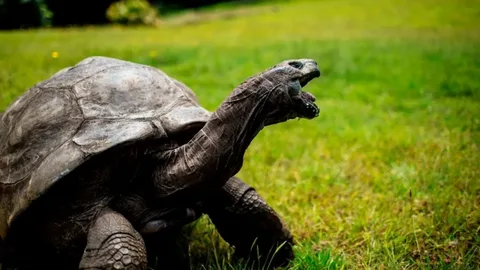
One of the most famous examples of tortoises longevity is Jonathan, who resides on Saint Helena and is believed to be over 190 years old. Jonathan is often recognized as one of the oldest living land animals in the world.
Stories like Jonathan’s highlight the extraordinary life span that tortoises can achieve under favorable conditions.
Life Stages of a Tortoise
A tortoise’s long life includes several distinct stages:
Hatchling Stage
After hatching from eggs, baby tortoises are small and vulnerable. In the wild, survival rates are lower due to predators.
Juvenile Stage
As they grow, their shells harden and provide stronger protection. Growth remains slow and steady.
Adult Stage
Depending on the species, tortoises may reach sexual maturity between 10 and 25 years. Adulthood often lasts for decades.
Senior Stage
Tortoises show few visible signs of aging compared to other animals. Even in advanced age, many remain active and alert.
Responsibility of Ownership
Because tortoises can live for decades, owning one is a long-term responsibility. Prospective owners should consider whether they are prepared for a commitment that may span generations.
Important questions include:
- Can you provide consistent care for decades?
- Do you understand the specific needs of your chosen species?
- Is there a plan for future care if needed?
Unlike many pets, tortoises are not temporary companions. They may outlive their original caretakers.
Conservation Concerns
Despite their long life span, many tortoise species are threatened due to habitat loss, climate change, and illegal wildlife trade. Conservation programs aim to protect endangered populations and preserve their natural habitats.
Understanding the life span of a tortoise also highlights the importance of protecting these ancient reptiles so they can continue to thrive in the wild.
Final Thoughts
The life span of a tortoise is one of the most remarkable traits of these unique reptiles. Living anywhere from 50 to over 100 years—and sometimes far beyond—tortoises are living symbols of endurance and patience.
The tortoise life period is one of the most fascinating aspects of these unique reptiles. With life spans commonly ranging from 50 to over 100 years and sometimes even longer tortoises stand as living symbols of endurance and resilience. Proper veterinary guidance from trusted professionals like Park Hills Animal Hospital can help ensure these remarkable animals receive the long-term care they need to thrive for decades.
For anyone considering welcoming a tortoise into their life, understanding their long-term needs is essential. These gentle reptiles are not just pets—they are lifelong companions whose legacy can span generations.