




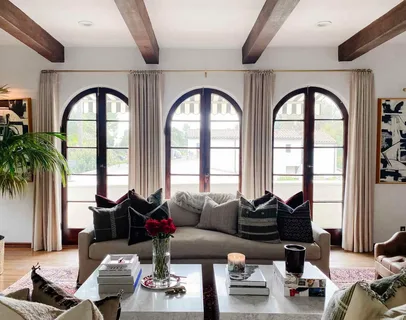
It’s 2026, and if you pause for a moment in your living room, you might notice something subtle has shifted. That space where you sip your morning coffee, occasionally stretch out a work-from-home setup, host friends for dinner, or simply unwind at the end of the day has quietly evolved. And right along with it, one of the most essential yet often overlooked elements of the room—the window curtains—has undergone its own quiet transformation.
Today, curtains are no longer just fabric draped over a rod to block out light or grant privacy. They have become intuitive participants in daily life. They interact with natural light, contribute to well-being, and bring together technology and organic materials in a way that feels effortless rather than forced. The overarching theme in 2026 is comfort with purpose—design that adapts to real life without demanding constant attention.
If you’re thinking about refreshing your space or just curious about where interior design is headed, here’s a grounded, trend-aware look at what’s defining living room window curtains this year.
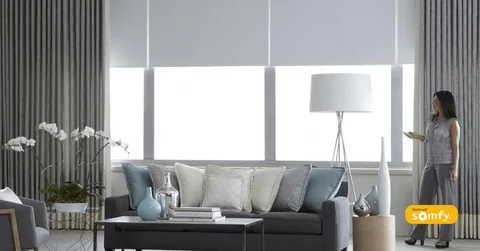
1. Sensor-Driven Layered Curtains
Smart homes have matured, and so have smart curtains. The flashy, app-everything approach has given way to something far more subtle and useful. In 2026, the buzz is around sensor-driven layered systems that work quietly in the background.
These setups typically combine airy sheers with more functional liners. Throughout the day, the opacity adjusts automatically based on the angle and intensity of sunlight. You might wake up to soft-filtered morning light, enjoy a glare-free screen during work hours, and wind down in the evening with warm, diffused lighting—all without touching a switch.
Voice control and app integration are still there, but they feel like natural extensions of how you already interact with your home. For those living in cities with sharp seasonal light changes, like Pune or Bengaluru, this kind of adaptive layering is both practical and transformative. It keeps your living room comfortable and well-lit, no matter what the sun is doing outside.
2. Bio-Based Performance Weaves
Sustainability has moved past being just a buzzword. In 2026, eco-conscious choices in home decor are defined by performance and beauty, not compromise. Bio-based fabrics—derived from plant sources and renewable materials—are now engineered specifically for living room use.
These weaves are breathable, making them ideal for warm and humid climates. They are also naturally hypoallergenic, which adds a layer of wellness to your home environment. But what really wins people over is the texture. Unlike the rough, sack-like eco-fabrics of the past, today’s bio-based curtains have a soft, inviting hand-feel. They bring warmth and depth to a room without relying on heavy dyes or synthetic blends.
And because they are built to last, they resist the wear-and-tear that fast-fashion decor often succumbs to. It’s sustainability that doesn’t ask you to sacrifice style or comfort.
3. Light-Diffusing Surface Finishes
Bold prints and heavy embroidery are taking a backseat in 2026. In their place, a quieter kind of beauty has emerged: curtains that play with light rather than compete against it.
Light-diffusing curtains are crafted from micro-textured fabrics and refined weaves that catch sunlight and scatter it gently across the room. The result is a soft, even glow that makes the space feel larger, airier, and more peaceful. Harsh glare softens, but the room never feels dark or cave-like.
This trend is especially powerful in apartments and homes where natural light is precious but needs to be managed. Instead of blocking the sun, these curtains work with it, turning your living room into a canvas of shifting light and shadow throughout the day.
4. Climate-Smart Curtain Hardware
Hardware has officially stepped out of the shadows. In 2026, curtain rods and tracks are being chosen with as much care as the fabric itself. But this isn’t just about aesthetics—it’s about performance.
Modern hardware now contributes to insulation, helping to maintain indoor temperatures by reducing heat transfer at mounting points. Finishes like brushed brass, matte black, and muted metallics add a touch of sophistication, while cleaner profiles keep the look contemporary.
Better engineering also means smoother operation, especially for layered or motorized systems. When the hardware is right, the curtains hang better, move more gracefully, and feel like an intentional part of the room’s architecture.
5. Nature-Inspired Intelligent Prints
Yes, prints are making a comeback—but they’re not what you might expect. The patterns gaining traction in 2026 are subtle, almost meditative, drawn from the organic geometry found in leaves, water ripples, and gentle spirals.
These designs add depth and interest to living room curtains without overwhelming the space. They pair effortlessly with solid furniture and natural wood finishes. And because they are rooted in nature, they contribute to a sense of calm and balance that aligns with wellness-focused interiors.
The beauty of these prints is that they reveal themselves slowly. At first glance, the curtain might read as a soft texture. Only upon closer inspection do you notice the quiet rhythm of the pattern—a detail that makes the room feel thoughtfully composed.
Styling Your Space with Intention
Getting the most out of your living room curtains in 2026 isn’t about following strict rules. It’s about proportion, layering, and letting materials speak for themselves.
A few practical tips go a long way:
- Mount your curtain rods 15 to 20 centimeters above the window frame to create the illusion of height.
- Opt for floor-length panels—they look polished and make the room feel complete.
- Layer sheers with functional drapes to maintain flexibility throughout the day.
- Let texture take the lead; you don’t need bold colors to make a statement.
Simple Care for Lasting Beauty
- Modern curtains are designed to be lived with, not fussed over. A few small habits can keep them looking fresh for years:
- Air out natural fabrics once a month to prevent mustiness.
- Spot clean textured curtains instead of tossing them in the wash frequently.
- Adjust smart layers seasonally to match changing daylight patterns.
These small steps reduce wear and tear, extend the life of your curtains, and keep your living room feeling fresh without constant upkeep.
Final Thoughts
In 2026, the shifts shaping living room curtains are subtle but significant. Automated layers that respond to the sun, breathable fabrics born from nature, finishes that soften light rather than block it—these aren’t just trends. They’re reflections of a deeper desire for homes that support us quietly and consistently.
Imagine curtains that filter harsh afternoon sun without you having to think about it, that breathe with the seasons, that hold their beauty through years of everyday life. That’s the direction design has taken. Brands like GM Fabrics embody this philosophy, where thoughtful materials and honest craftsmanship come together to create something lasting.
At its heart, this isn’t about chasing what’s new. It’s about choosing elements for your home that make daily life a little easier, a little more beautiful, and a lot more you. So, what small change could transform your windows into something that truly feels like home?