




In the quiet hours of the night, many people unknowingly put their smiles at risk. Bruxism, the term for grinding your teeth, is a common teeth problem. It affects both adults and children, but people often overlook it.
Many people do not know they have this problem until they see signs like worn enamel, jaw pain, or headaches in the morning. While it may seem small, constant tooth grinding can cause serious issues for your mouth and face if not treated.
This blog looks at the hidden dangers of this nighttime habit. It discusses the causes and modern treatments. These treatments can help restore balance, comfort, and confidence to your smile.
Understanding Tooth Grinding
Bruxism, also known as tooth grinding, involves the unconscious clenching, gnashing, or grinding of teeth, often while asleep. It can also manifest during waking hours, particularly in moments of stress or deep concentration.
Two main types exist:
- Sleep Bruxism occurs unconsciously during sleep and is often linked to stress, bite misalignment, or sleep disorders.
- Awake Bruxism happens during the day, usually triggered by anxiety, frustration, or tension.
While it may seem harmless at first, grinding your teeth puts too much pressure on your teeth and jaw. This can cause wear on the enamel, strain in the muscles, and changes in your bite.
Recognizing the Signs and Symptoms
Numerous individuals grind their teeth during sleep. This problem often goes unnoticed until it causes pain or damage. Some common signs include:
- Flattened, chipped, or fractured teeth
- Increased tooth sensitivity
- Tightness or stiffness in the jaw upon waking
- Clicking or popping sounds when opening the mouth
- Morning headaches or ear pain
- Disturbed sleep, both for the individual and their partner
Regular dental check-ups are important. Dentists can find signs of tooth grinding in patients from Birmingham. They look for wear patterns and uneven bite forces.
The Hidden Oral and Health Risks
The consequences of tooth grinding extend far beyond surface-level damage. Over time, too much force used during grinding can harm not just the teeth. It can also affect the whole jaw system, changing facial structure and oral function.
Key Hidden Risks Include:
- Enamel erosion
- Tooth sensitivity
- Heightened risk of decay and damage
- Jaw tension
- Muscle pain
- TMJ disorder causes pain and unease in the jaw because of problems with the temporo-mandibular joint.
- Tooth fractures
- Discomfort
- Potential tooth loss or need for restoration
- Facial strain
- Morning soreness
- Aged or flattened facial appearance
Bruxism exerts excessive pressure on teeth and gums, leading to gum recession, tooth mobility, and bite misalignment. Over time, it can alter facial proportions, causing an aged look. In patients receiving dental implants in Birmingham, grinding can harm implants or crowns. Quick diagnosis and care are important for long-term oral health.
Root Causes and Contributing Factors
Tooth grinding is often a complex issue influenced by multiple physical, psychological, and lifestyle factors. Understanding these underlying causes is crucial for developing a targeted treatment plan.
Cause
- Stress & Anxiety
- Emotional stress causes people to clench their muscles without realizing it.
- Jaw fatigue, muscle pain, and enamel wear can be serious issues.
- Bite Misalignment
- Sleep Disorders
- Caffeine, smoking, and alcohol can increase muscle activity. This makes night-time grinding happen more often.
Additionally, tooth grinding can sometimes develop after dental treatments that subtly alter bite alignment. Skilled dentists doing procedures like Dental Implants in Birmingham or surgical extractions check the bite balance carefully. This helps prevent bruxism during recovery.
How Dentists Diagnose Night-Time Grinding
Thanks to digital dentistry, identifying bruxism is now more precise and minimally invasive. Dentists use a variety of modern tools and techniques to pinpoint the cause and extent of the problem, including:
- Digital Bite Analyzes pressure distribution across teeth, revealing uneven contact points.
- 3D scanning shows clear details of enamel wear, tooth alignment, and how the jaw works.
- AI-powered sleep monitoring tracks how often you clench your teeth, how long it lasts, and its intensity while you sleep.
- Clinical Examination dentists check for worn enamel, gum recession, or muscle tenderness during a consultation.
Finding bruxism early is important. It assists in preventing issues from escalating further. This can prevent enamel loss, fractures, and jaw issues.
Modern Treatments and Management Options
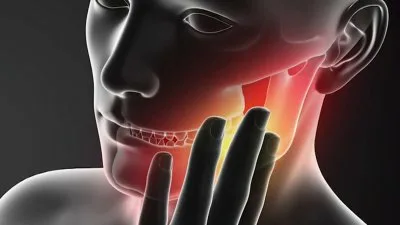
Treating tooth grinding involves addressing both its physical effects and underlying causes. Modern dentistry combines preventive measures, restorative treatments, and behavioral interventions to achieve lasting relief.
A. Dental Solutions
1. Custom Night Guards
- Made from durable, comfortable materials that cushion the teeth and prevent contact during sleep.
- Reduces enamel wear and muscle tension effectively.
2. Orthodontic or Bite Correction
- Adjusts tooth alignment to ensure even bite pressure and minimize grinding triggers.
3. Restorative Treatments
- Rebuilds worn or damaged teeth using crowns, veneers, or bonding for restored function and aesthetics.
4. Advanced Surgical Interventions
- In serious cases, when grinding has harmed teeth or bones a lot, surgery may come before fixing them.
B. Non-Dental and Lifestyle Approaches
1. Muscle Relaxant Injections
- Botox and similar treatments help relax overactive jaw muscles, reducing clenching force.
2. Stress Reduction Techniques
- Meditation, yoga and breathing exercises lower anxiety, a common cause of bruxism.
3. Sleep Hygiene Improvements
- Set a regular bedtime schedule and limit your screen time before bed.
4. Diet and Lifestyle Changes
- Avoid consuming caffeine, nicotine, and alcohol, especially during nighttime.
- Do not chew on pens, nails, or hard foods.
These strategies help patients take control, sleep better, and protect their teeth from getting worse.
Long-Term Impact on Restorations
Chronic grinding poses a significant risk to dental restorations such as crowns, bridges, and implants. The small movements can loosen implant screws or chip porcelain restorations.
Experts in tooth grinding in Birmingham often use techniques for digitally analyzing bites. They also make occlusal adjustments during implant procedures to ensure comfort and long-lasting results. Following treatment, protective guards and regular maintenance visits are vital for safeguarding results.
Conclusion
Night-time tooth grinding may seem harmless, but it can harm your oral health over time. It can also affect your facial balance and overall well-being.
Timely diagnosis, customized dental care, and modern preventive techniques can effectively manage bruxism and reverse its damage. At Smilo Dental Implant Birmingham, our skilled team uses advanced digital tools. We create personalized treatment plans to help patients stop tooth grinding and restore their smiles.
We focus on important problems. This improves dental health. Our aim is for each patient to feel at ease and sure of themselves. We want to ensure good oral health for everyone.