






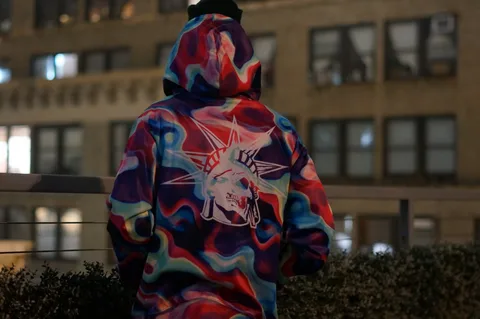
Fashion has always been a language—sometimes whispered through subtle details, sometimes boldly declared through texture and silhouette. The Tapestry Hoodie speaks fluently in both. It merges the centuries-old art of tapestry weaving with the relaxed confidence of contemporary streetwear, creating a garment that feels both nostalgic and undeniably current. Unlike standard printed hoodies, a tapestry hoodie carries depth—literally and visually—because its patterns are woven into the fabric rather than stamped on top. The result is texture you can see and feel, art you can wear, and a piece that transforms casual clothing into a conversation starter.
At first glance, it may look like a hoodie with intricate designs. But the moment you run your hand across the fabric, you understand the difference. Each thread is part of a bigger picture, interlocked in a way that echoes historic craftsmanship. The tapestry hoodie doesn’t shout for attention; it earns it through detail. In an era dominated by fast fashion and fleeting trends, this garment stands apart as something thoughtful, layered, and expressive.
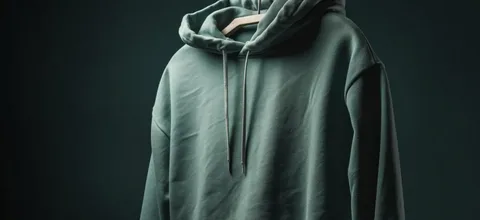
The Origins of Tapestry: A Craft Reimagined
Tapestry weaving has roots that stretch back to ancient civilizations. Historically used to depict epic scenes, folklore, and cultural motifs, tapestries were once reserved for castles and grand halls. The technique involved weaving colored threads into complex designs that told stories or symbolized status. Today, that same method has found new life in wearable form.
When designers began incorporating tapestry fabric into hoodies, they essentially bridged two worlds: traditional artistry and modern comfort. The structured, artful patterns of woven textiles now coexist with soft linings, adjustable drawstrings, and relaxed fits. It’s a cultural remix—old-world storytelling stitched into the silhouette of everyday fashion.
This fusion gives the tapestry hoodie a deeper emotional appeal. It doesn’t just look good; it carries a sense of history. Wearing one can feel like carrying a fragment of art history into the present moment, wrapped in the ease of contemporary style.
Texture That Speaks Louder Than Prints
One of the defining features of a tapestry hoodie is its texture. Unlike screen-printed graphics that sit flat on cotton fleece, tapestry designs are woven directly into the material. This creates dimension and subtle shifts in color as light hits the threads from different angles.
The tactile quality is significant. There’s a richness in the density of woven fabric that elevates the garment beyond standard loungewear. It feels substantial, structured, and intentional. The hoodie drapes differently, often holding its shape more confidently due to the heavier textile. That weight adds warmth and durability, making it suitable for cooler weather while still stylish enough for transitional seasons.
Beyond practicality, texture plays a psychological role. People are naturally drawn to fabrics with depth and intricacy. A tapestry hoodie invites a second glance. It communicates creativity and individuality without relying on loud logos or branding.
A Canvas of Expression
Every tapestry hoodie tells a story through its pattern. Some designs feature floral motifs reminiscent of vintage upholstery. Others draw inspiration from abstract art, baroque detailing, or contemporary graphic themes. Because tapestry weaving allows for intricate imagery, designers have nearly limitless creative freedom.
This makes the hoodie an ideal medium for self-expression. While a plain hoodie signals comfort, a tapestry hoodie signals personality. It might suggest an appreciation for art, a love of vintage aesthetics, or a bold approach to fashion. The patterns often blur the line between streetwear and gallery-worthy design.
The uniqueness of each woven pattern also means no two hoodies feel identical in spirit, even if produced in the same collection. Slight variations in thread tone and placement give each piece character. For individuals tired of mass-produced monotony, this individuality feels refreshing.
The Perfect Balance of Comfort and Structure
Comfort remains central to any hoodie’s appeal, and Tapestry hoodies are no exception. Though the exterior may feature densely woven fabric, most designs incorporate a soft interior lining—often cotton or brushed fleece—to ensure wearability. The combination of sturdy outer weave and cozy inner layer creates a balanced garment that feels protective yet breathable.
Fit plays an important role as well. Tapestry hoodies are often designed with relaxed silhouettes, allowing the heavier fabric to move naturally with the body. Ribbed cuffs and hems maintain shape while enhancing comfort. The hood itself typically retains enough structure to complement the weight of the textile, rather than collapsing flat.
This blend of artful exterior and comfortable interior makes the tapestry hoodie versatile. It’s just as suitable for a casual outing as it is for a creative workspace or evening gathering. The wearer feels both at ease and elevated—a rare combination in everyday fashion.
Styling the Tapestry Hoodie for Maximum Impact
Styling a tapestry hoodie is an exercise in balance. Because the garment itself is visually rich, it often pairs best with simpler complementary pieces. Neutral trousers, classic denim, or minimalist sneakers allow the intricate weave to remain the focal point.
For a street-inspired look, layering works beautifully. A tapestry hoodie worn under a structured coat creates contrast between traditional textile and modern tailoring. Alternatively, pairing it with relaxed cargo pants and boots can emphasize a bold, urban aesthetic.
Accessories should enhance rather than compete. Subtle jewelry or understated headwear maintains cohesion. The key is understanding that the hoodie already carries significant visual weight. When styled thoughtfully, it becomes the centerpiece of an outfit rather than just another layer.
Sustainability and Slow Fashion Appeal
In a world increasingly concerned with sustainability, tapestry hoodies offer an interesting advantage. Because woven designs are built into the fabric, they tend to outlast printed graphics that may crack or fade over time. The durability of the textile encourages longer wear, reducing the need for frequent replacement.
Many brands producing tapestry hoodies focus on smaller production runs, emphasizing craftsmanship over mass output. This aligns with slow fashion values—prioritizing quality, longevity, and intentional design. While not all tapestry hoodies are inherently sustainable, their construction often lends itself to mindful consumption.
Investing in a well-made tapestry hoodie can feel less like buying a seasonal trend and more like adding a staple piece to a curated wardrobe. It’s a garment designed to age gracefully, with woven patterns that maintain their integrity over years of wear.
Cultural Resonance in Contemporary Fashion
The rise of the tapestry hoodie reflects a broader cultural shift. Modern consumers are drawn to pieces that feel authentic and meaningful. In contrast to plain fast-fashion staples, woven garments evoke artistry and depth.
Streetwear has increasingly embraced heritage influences, blending classic techniques with contemporary silhouettes. The tapestry hoodie fits seamlessly into this evolution. It demonstrates how traditional craft can be reinterpreted without losing its essence.
This cultural resonance makes the garment more than just apparel. It becomes a statement about valuing creativity, honoring craftsmanship, and embracing individuality in a world saturated with uniform trends.
Why the Tapestry Hoodie Stands Apart
Ultimately, the Syna World stands apart because it merges contrasts effortlessly. It is structured yet comfortable, historical yet modern, artistic yet wearable. Few garments manage to balance these dualities so seamlessly.
It invites closer inspection. It rewards attention. And most importantly, it allows the wearer to express something distinctive without sacrificing comfort. In a landscape filled with repetitive designs, the tapestry hoodie offers texture, story, and character.