




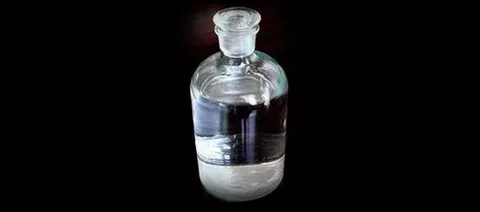
The global Acrylic Acid market keeps growing as a strong industrial segment. This growth is due to increased use in coatings, adhesives, hygiene products, super absorbent polymers, and water treatment. According to the latest market assessments from Kings Research, the Acrylic Acid market reached USD 13.07 Billion in 2025 and is projected to expand at a stable yet promising rate to achieve USD 17.10 Billion by 2032, advancing at a CAGR of 3.91% during 2025–2032.
This growth demonstrates a healthy and consistent demand curve across consumer goods, petrochemical derivatives, and specialty materials. The market is dynamic, competitive, and influenced by fluctuating industrial conditions, shifting feedstock availability, and environmental regulations. The following report provides a complete SWOT perspective, along with segmental insights, key drivers, risks, regional growth highlights, and competitive strategies shaping the future of the industry.
Strengths, Weaknesses, Opportunities & Threats (SWOT Overview)
Strengths
- Broad application across paints, sealants, adhesives, textile treatments, and detergents.
- Strong presence in polymer-based absorbents for hygiene products and sanitary applications.
- Continuous innovation in product derivatives strengthens long-term industry sustainability.
- Presence of global chemical industry giants enhances production scalability and global reach.
Weaknesses
- Reliance on propylene as raw material makes production vulnerable to crude oil price volatility.
- High capital investment and environmental compliance requirements may limit new entrants.
- Supply chain disruptions and energy-intensive manufacturing add cost burdens.
Opportunities
- Surging demand in water treatment and super absorbent polymers for hygiene goods.
- Increasing population and urban development raise demand for coatings, adhesives and plastics.
- R&D for making bio-based acrylic acid opens up market growth that is driven by sustainability.
- Asia-Pacific industrial expansion provides significant volume-based growth prospects.
Threats
- Environmental restrictions may tighten acrylic acid emission management standards.
- Regional competition leading to pricing pressure from low-cost Asian manufacturers.
- Regulatory shifts may demand rapid innovation in greener polymer alternatives.
Market Overview & Key Growth Drivers
The Acrylic Acid market is greatly affected by trends in global consumer product manufacturing. – Growth in packaging is a factor.
- There is also expansion in the construction industry.
- The demand for water purification polymer solutions is increasing.
Manufacturers are adopting technological improvements to optimize output efficiency and move toward renewable acrylic acid synthesis.
Government support for industrial expansion, along with increasing chemical conversion capacity, has created a favorable atmosphere for investment. Companies are improving their research to enhance polymer performance. This is important for hygiene products like diapers, medical absorbents, and moisture-control materials.
Businesses entering the market gain advantage through tech-forward production systems, sustainable sourcing programs, and geographically balanced distribution networks. The Kings Research market document serves as a strategic reference for investors analyzing entry potential or expansion viability.
Competitive Landscape Overview
The Acrylic Acid market is highly competitive, with global and regional players driving innovation, capacity expansion, and polymer diversification. Companies adopt both organic strategies—new product launches, capacity scaling, modernization—and inorganic strategies, including mergers, joint ventures, and feedstock sourcing contracts.
Key Market Players
- Milspec Industries, Inc.
- Dow
- SIBUR International GmbH
- TOAGOSEI CO., LTD.
- NIPPON SHOKUBAI CO., LTD.
- SATELLITE CHEMICAL CO., LTD.
- Evonik Industries AG
- BASF
- Sasol
- Shanghai Huayi Acrylic Acid Co. Ltd.
- Arkema
- Chandra Asri-Petrochemical
- Wacker Chemie AG
- LG Chem
- Mitsubishi Chemical Group Corporation
Each company has its own strengths in technology, distribution, and product variety.. We recommend that stakeholders assess individual company SWOT factors for competitive positioning and procurement planning.
Segmental Analyzing
Detailed segmentation helps manufacturers, suppliers, and investors align strategies based on the most profitable pathways.
By Derivative
- Acrylic Esters:
- Methyl Acrylate
- Ethyl Acrylate
- Butyl Acrylate
- 2-Ethylhexyl Acrylate
- Other Esters
- Acrylic Polymers:
- Water Treatment Polymers
- Super Absorbent Polymer
- Acrylic Elastomers
- Others:
- Acrylic Poly-acrylate
- Poly-cyanoacrylates
By Application
- Surface Coatings
- Adhesives & Sealants
- Plastic Additives
- Detergents
- Textiles
- Others
Segments focused on absorbent polymers, detergents, and coatings offer the most revenue-driven opportunities during 2025–2032.
Regional Market Insights
Global trends in consumer product manufacturing greatly affect the Acrylic Acid market. – Growth in packaging is a factor.
– There is also expansion in the construction industry.
– Additionally, there is a rising demand for water purification polymer solutions. Manufacturers are adopting technological improvements to optimize output efficiency and move toward renewable acrylic acid synthesis.
Government support for industrial expansion, along with increasing chemical conversion capacity, has created a favorable atmosphere for investment. Companies are improving their research to enhance polymer performance. This is important for hygiene products like diapers, medical absorbents, and moisture-control materials.
Businesses that enter the market can gain an edge. They do this by using advanced production systems.
They also focus on sustainable sourcing programs. Finally, they create balanced distribution networks across different areas.. The Kings Research market report acts as a strategic guide for investors assessing entry opportunities or expansion feasibility.
Market Overview & Key Growth Drivers
Global trends in consumer product manufacturing greatly affect the Acrylic Acid market. – Growth in packaging is a factor.
– There is also expansion in the construction industry.
– The demand for water purification polymer solutions is increasing. Manufacturers are adopting technological improvements to optimize output efficiency and move toward renewable acrylic acid synthesis.
Government support for industrial expansion, along with increasing chemical conversion capacity, has created a favorable atmosphere for investment. At the same time, companies are improving research to enhance polymer performance. This is important for hygiene products like diapers, medical absorbents, and moisture-control materials.
Businesses that enter the market can gain an edge by using advanced production systems. They can also benefit from sustainable sourcing programs and balanced distribution networks. The Kings Research market report serves as a guide for investors. It helps them look at new opportunities or ways to grow.