




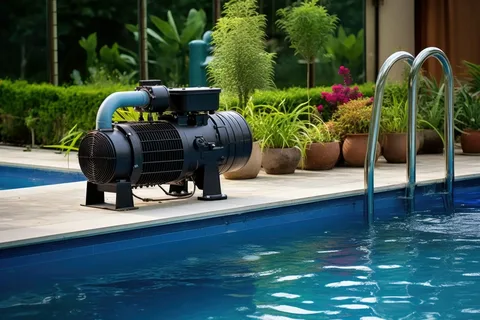
The global swimming pool equipment industry is experiencing a period of steady and meaningful expansion. As more homeowners, commercial property developers, and hospitality brands invest in pool infrastructure, the demand for high-quality, efficient equipment continues to rise. According to recent research from Kings Research, the market was valued at approximately USD 13.81 billion in 2025. Looking ahead, projections show it reaching USD 19.15 billion by 2032, reflecting a compound annual growth rate of 4.25 percent throughout the forecast period from 2025 to 2032.
This growth isn’t happening by accident. It’s driven by a combination of factors including technological advancements, shifting consumer expectations, and a growing emphasis on energy efficiency and automation. For businesses, investors, and industry professionals, understanding where this market is headed is essential for making informed decisions and identifying opportunities before they become crowded.

A Competitive and Evolving Landscape
The swimming pool equipment market is highly competitive, with both established global players and emerging regional manufacturers vying for market share. Companies are increasingly pursuing strategies that blend organic growth—such as product innovation and geographic expansion—with inorganic moves like acquisitions and strategic partnerships. This dynamic environment rewards agility and foresight.
Some of the key companies currently shaping the market include:
– Waterco
– Hayward Industries, Inc.
– Pentair
– Maytronics
– Emaux Water Technology
– Intex Development Co. Ltd
– Guangdong LASWIM Water Environment Equipment Co., Ltd.
– Zodiac Pool Systems LLC
– Fluidra S.A.
– MIDAS Pool Products GmbH
These industry leaders are investing heavily in research and development to introduce equipment that not only performs better but also aligns with growing demand for energy efficiency, smart connectivity, and sustainability. From advanced filtration systems to automated cleaning solutions, the focus is on delivering value that resonates with modern pool owners.
What’s Driving the Market Forward
Several key factors are contributing to the upward trajectory of the swimming pool equipment market.
First, there’s the continued expansion of residential and commercial construction worldwide. As new homes, hotels, resorts, and recreational facilities are built, the demand for swimming pools—and by extension, pool equipment—grows alongside them.
Second, technological innovation is transforming what pool equipment can do. Smart pumps, automated chemical feeders, and energy-efficient heaters are no longer niche products—they’re becoming standard expectations. Pool owners want systems that are easier to manage, more cost-effective to run, and kinder to the environment.
Third, there’s a growing awareness around water conservation and energy use. Governments and regulatory bodies in many regions are implementing standards that encourage or mandate more efficient equipment. This pushes both manufacturers and consumers toward products that meet higher performance benchmarks.
At the same time, the market faces certain challenges. Supply chain disruptions, fluctuating raw material costs, and varying regulatory landscapes across different countries can create uncertainty. However, companies that stay agile and maintain a clear understanding of regional dynamics are better positioned to navigate these obstacles.
Breaking Down the Market by Product Type
To truly understand the swimming pool equipment market, it helps to look at the specific product categories driving demand. The market is broadly segmented by equipment type, with each category serving a distinct function in pool maintenance and operation.
Key segments include:
Circulation and Filtration Systems
These are the backbone of any swimming pool. Circulation systems keep water moving, while filters remove debris and impurities. Together, they ensure water stays clean, clear, and safe for swimmers.
Pumps
Pumps are essential for moving water through the filtration system. Advances in pump technology have led to variable-speed models that consume less energy while maintaining strong performance—a major selling point for both residential and commercial buyers.
Filters
From sand filters to cartridge and diatomaceous earth options, filtration technology continues to evolve. Modern filters are designed to capture finer particles while requiring less frequent maintenance.
Chlorinators and Salt Water Chlorination Systems
Chemical Feeders
Other Equipment
Regional Insights: Where Growth Is Happening
The swimming pool equipment market is global, but growth is not uniform across all regions. Understanding regional differences is critical for businesses looking to expand their footprint.
North America remains a dominant force, driven by high rates of pool ownership in the United States and Canada. The region’s mature market is characterized by replacement and upgrade demand, as homeowners seek more efficient and modern equipment.
Europe follows closely, with strong markets in countries like Spain, France, Germany, and Italy. The region’s emphasis on sustainability and energy efficiency aligns well with the latest product innovations.
Asia Pacific is emerging as a high-growth region. Rising disposable incomes, rapid urbanization, and a booming tourism industry are fueling demand for both residential and commercial pools. Countries like China, India, and Australia are seeing increased investment in pool infrastructure.
Latin America and the Middle East and Africa also present opportunities, particularly in luxury real estate and hospitality development. In these regions, pools are often seen as essential amenities in high-end properties, driving demand for quality equipment.
Why This Market Analysis Matters
For businesses and investors, having a clear picture of the swimming pool equipment market is invaluable. It allows for smarter resource allocation, more targeted marketing, and better risk management. Understanding which product segments are growing fastest, which regions offer the most potential, and how competitive dynamics are shifting can mean the difference between thriving and merely surviving.
This type of analysis also helps identify hidden risks—whether from changing regulations, economic volatility, or supply chain vulnerabilities. Companies that stay informed are better equipped to adapt and maintain their momentum even when conditions shift.
Looking Ahead
The swimming pool equipment market is on a steady growth path, supported by enduring demand and continuous innovation. As technology makes pools smarter and more efficient, and as consumer expectations rise, the companies that lead will be those that combine quality products with a deep understanding of what their customers truly need.
For more detailed insights, including comprehensive data and forecasts, the full report from Kings Research offers an in-depth look at market trends, competitive strategies, and emerging opportunities. Visit Kings Research to explore the complete findings and analysis.