





Introduction
In the rapidly evolving world of ecommerce, businesses are increasingly shifting from one-time sales to subscription-based models. These models not only provide a consistent revenue stream but also help in building long-term relationships with customers. In this era of personalization, convenience, and digital transformation, subscription-based ecommerce apps have emerged as powerful tools for retention and growth.
For brands planning to adopt this strategy, partnering with an experienced ecommerce app development company is crucial. Let’s explore how subscription-based ecommerce apps are reshaping customer retention and driving recurring revenue for businesses worldwide.
What Is a Subscription-Based Ecommerce Model?
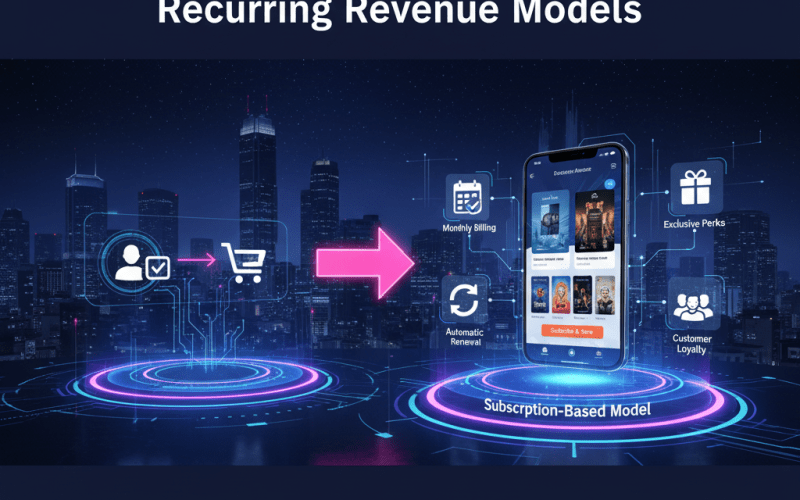
A subscription-based ecommerce model allows customers to pay a recurring fee—weekly, monthly, or annually—to access products or services. Instead of one-off transactions, customers receive continuous value, while businesses enjoy predictable cash flow and improved customer lifetime value (CLV).
Subscription ecommerce is a business model where customers pay a recurring fee, often monthly or annually, for products or services. This model offers convenience to customers and reliable, ongoing revenue to businesses. Think of it as a “set it and forget it” approach for both customers and business owners. Examples of subscription-based businesses include streaming services like Netflix, subscription boxes like Birchbox, and even subscription-based food delivery services like HelloFresh.
The beauty of subscription ecommerce apps is that they automate and simplify the management of recurring payments, allowing businesses to focus on growing their product or service offerings.
Examples of successful subscription-based ecommerce platforms include:
- Amazon Subscribe & Save recurring delivery of household essentials.
- Dollar Shave Club personalized grooming kits delivered monthly.
- HelloFresh meal kits that simplify cooking and meal planning.
- Sephora’s Beauty Box a curated selection of cosmetics and skincare products.
Why Subscription Models Are Dominating Ecommerce
The shift towards subscription-based ecommerce apps is driven by three main trends:
- Consumer Convenience: Customers prefer automated repeat deliveries of essentials, saving them time and effort.
- Personalized Experiences: AI-driven insights allow businesses to tailor product recommendations based on individual preferences.
- Predictable Revenue: Unlike traditional models, recurring payments offer financial stability and make forecasting easier.
- Customer Loyalty: With personalized service, consistent communication, and exclusive perks, customers are less likely to switch brands.
According to McKinsey, the subscription ecommerce market has grown by over 100% annually in the past five years, with more businesses adopting recurring models to boost retention.
Role of Ecommerce Apps in Subscription Models
The success of any subscription-based business relies heavily on its mobile app experience. Ecommerce apps allow brands to automate renewals, personalize recommendations, and simplify billing—offering a seamless journey from subscription sign-up to renewal.
Key features that make ecommerce apps successful for subscription-based models include:
1. User-Friendly Onboarding
An intuitive sign-up process ensures customers can easily select plans, add payment methods, and understand renewal terms. A well-designed app interface reduces drop-offs and increases conversions.
2. Personalized Dashboards
Modern apps show users their subscription status, renewal dates, shipment tracking, and product history—all within one dashboard. Personalization helps build transparency and trust.
3. Smart Notifications
Push notifications about upcoming renewals, new offers, or curated product recommendations keep customers engaged and informed.
4. Flexible Subscription Management
Allowing users to pause, skip, or modify their plans adds convenience and reduces churn. This flexibility is a key factor in customer satisfaction.
5. Secure Payment Gateways
Recurring revenue depends on reliable, automated billing. Integrating secure payment systems like Stripe or PayPal ensures frictionless transactions.
To implement these features effectively, businesses rely on a specialized ecommerce app development company that understands the nuances of user experience (UX), backend automation, and recurring billing integration.
The Power of Recurring Revenue in Ecommerce
Recurring revenue is more than just repeated billing—it’s about sustainable business growth. A loyal subscriber base gives businesses consistent income and data-driven insights into customer behavior.
Benefits of recurring revenue models include:
- Predictable cash flow: Makes budgeting and scaling easier.
- Reduced acquisition costs: Retaining subscribers costs far less than acquiring new users.
- Increased customer lifetime value (CLV): Loyal customers spend more over time.
- Scalability: Easier to forecast inventory and logistics for recurring shipments.
In essence, the recurring revenue model aligns perfectly with the goal of long-term customer retention.
Customer Retention Strategies for Subscription-Based Apps
To retain customers and minimize churn, ecommerce businesses must focus on engagement, personalization, and ongoing value delivery. Below are proven retention strategies for subscription-based ecommerce apps.
1. Personalized Experiences Using AI
AI-driven personalization is the foundation of a great subscription experience. Machine learning algorithms can recommend products based on:
- Purchase history
- Usage frequency
- Seasonal demand
- Similar user preferences
For instance, a skincare subscription app could automatically suggest a new moisturizer based on weather changes in the user’s location.
2. Loyalty and Reward Programs
Rewarding subscribers with loyalty points, referral bonuses, or exclusive discounts enhances their emotional connection with the brand. Gamifying the subscription experience helps increase renewals.
3. Tiered Subscription Plans
Offer multiple tiers (e.g., Basic, Premium, Elite) to cater to different customer segments. Higher tiers can include personalized support, early access to new products, or free shipping.
4. Seamless Communication
Regular updates through push notifications, newsletters, or in-app messages help keep users informed about new offers, upcoming renewals, or improvements to their plan.
5. Subscription Flexibility
Giving users full control—like pausing subscriptions or skipping a month—improves trust and reduces cancellation rates. Transparency is key in subscription retention.
6. Proactive Customer Support
Quick, accessible customer support—through live chat or AI-powered chatbots—can instantly resolve billing or product issues, preventing customer frustration and churn.
7. Data-Driven Insights
Tracking user engagement, churn rates, and renewal data helps optimize pricing models and marketing campaigns. A professional app development services provider can help businesses integrate advanced analytics for better decision-making.
Why Partner with an Ecommerce App Development Company
Building a subscription-based ecommerce app requires more than just design it demands expertise in payment automation, analytics, user engagement, and scalability. That’s why partnering with a reliable ecommerce app development company is essential.
A skilled development partner can help you:
- Design intuitive user interfaces for easy navigation
- Integrate recurring payment gateways and subscription APIs
- Implement AI-driven personalization for better engagement
- Build analytics dashboards for tracking revenue and retention
- Optimize app performance and scalability
Such app development services ensure your subscription app not only runs smoothly but also evolves with market trends and customer behavior.
Tech Stack for Subscription-Based Ecommerce Apps
The right technology stack ensures your app remains efficient and secure as your subscriber base grows.
- Frontend: React Native, Flutter, Swift, Kotlin
- Backend: Node.js, Python (Django), Laravel
- Database: Firebase, PostgreSQL, MongoDB
- Payment Integration: Stripe, Razorpay, Braintree
- Analytics & Personalization: Google Analytics, Mixpanel, Segment, TensorFlow
A professional ecommerce app development company can help choose and integrate these tools based on your unique goals and user base.
Tips for Maximizing Subscription Ecommerce Success
While subscription ecommerce apps provide the tools for success, it’s still essential to implement the right strategies to retain customers and boost revenue. Here are a few tips to make the most of your subscription business:
1. Offer Flexible Subscription Plans
Not all customers have the same needs, so offering a variety of subscription plans is essential. Consider providing multiple subscription tiers based on frequency (e.g., weekly, monthly, or quarterly deliveries) or product variety. Giving customers the option to customize their subscriptions can increase satisfaction and reduce churn.
2. Personalize the Customer Experience
Customers love personalized experiences. Use the data collected from your subscription ecommerce app to send personalized offers, discounts, and content based on individual preferences and purchasing behavior. Personalization can go a long way in making customers feel valued and more likely to continue their subscriptions.
3. Focus on Excellent Customer Service
Subscription businesses often have a direct relationship with their customers. Provide exceptional customer service by addressing concerns quickly and offering helpful support when needed. A strong support system can significantly reduce churn and increase customer loyalty.
4. Create Engaging Content and Experiences
If your subscription service offers physical products (like skincare or snacks), create content around how to best use the products. Tutorials, blog posts, or social media content can help keep customers engaged and excited about their next delivery. Creating an experience around your product is just as important as the product itself.
5. Implement Referral Programs
Encourage your current subscribers to refer friends or family members by offering them rewards or discounts for successful referrals. A well-designed referral program can help you grow your customer base without spending too much on advertising.
Future Trends in Subscription Ecommerce
The subscription economy continues to evolve, and ecommerce apps are leading the way with innovation. Here are a few trends shaping its future:
- AI and Predictive Subscriptions: Apps will predict what customers need before they even realize it, sending reminders or automatic replenishments.
- Sustainability-Focused Subscriptions: Eco-conscious consumers prefer brands offering sustainable packaging, carbon-neutral delivery, and recyclable products.
- Micro-Subscriptions: Small recurring plans like daily coffee, digital content, or fitness challenges—are gaining popularity.
- Voice Commerce Integration: With Alexa and Google Assistant integrations, customers can renew or manage subscriptions using voice commands.
- Blockchain for Transparency: Blockchain will enable secure, transparent tracking of subscription data, increasing trust among customers.
Conclusion
The rise of subscription-based ecommerce apps is transforming how businesses generate revenue and build customer loyalty. By focusing on personalization, flexibility, and seamless user experiences, brands can ensure long-term customer engagement.
To make your subscription model successful, partnering with a leading ecommerce app development company is the key. Their app development services can help you build a scalable, secure, and data-driven ecommerce app that ensures customer retention and consistent recurring revenue.