




Introduction
In today’s fast-paced digital economy, traditional grocery retail is evolving rapidly. Consumers now expect quick, personalized, and seamless shopping experiences available right at their fingertips. For modern retailers, this transformation is powered by smart grocery app development solutions that enable businesses to stay ahead in a competitive market. Let’s explore how technology-driven grocery apps are reshaping the retail landscape and why investing in one is a strategic move for retailers.
Understanding the Need for Smart Grocery App Development
The rise of online grocery shopping has revolutionized how customers purchase essentials. With a grocery app, retailers can offer a convenient, contactless, and time-efficient way for users to browse, order, and receive products at their doorstep. This shift isn’t just about customer convenience it’s about operational efficiency and business scalability.
A well-designed grocery app can automate inventory management, enhance product visibility, and reduce order-processing errors. Moreover, with data analytics and AI-based recommendations, retailers can understand buying patterns, helping them personalize offers and boost customer retention.
Why Grocery App Development is Essential for Retailers
In the past, grocery shopping meant visiting physical stores, comparing products, and waiting in checkout lines. Today, consumers expect faster, smarter, and more convenient options. Smart grocery apps make it possible for customers to browse products, create shopping lists, and make payments—all from their mobile phones.
Retailers can use these apps to:
- Increase customer convenience
- Improve brand loyalty through rewards and personalized deals
- Reduce manual errors in billing and inventory
- Offer contactless shopping and delivery options
As digital shopping becomes the new normal, developing a grocery app is no longer a luxury—it’s a necessity for retailers who want to remain competitive.
Key Features to Include in a Smart Grocery App
A successful grocery app must include features that enhance both user experience and backend operations. When planning a project with a grocery app development company, consider integrating the following functionalities:
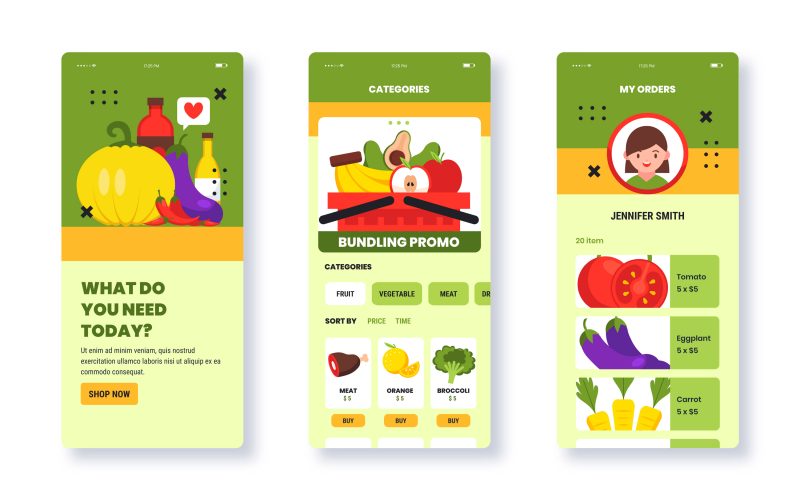
- User-Friendly Interface: A clean, intuitive design helps customers easily browse categories, search for items, and complete purchases without friction.
- Advanced Search and Filters: Smart filters allow users to sort products by brand, price, or dietary preferences, improving navigation.
- Personalized Recommendations: AI-driven algorithms suggest products based on browsing and purchase history, increasing basket size.
- Real-Time Order Tracking: Customers appreciate transparency. Real-time tracking enables users to monitor delivery status and estimated arrival time.
- Multiple Payment Options: Integration of payment gateways—credit/debit cards, e-wallets, and UPI—makes checkout seamless and secure.
- Loyalty and Rewards Programs: Retailers can encourage repeat purchases by offering points, cashback, or discounts.
- Push Notifications and Alerts: Timely updates about new arrivals, offers, and delivery status help maintain customer engagement.
- Admin Dashboard: A powerful backend system allows retailers to manage inventory, orders, and customer support efficiently.
Benefits of Investing in Grocery App Development for Retailers
Smart grocery app development is not just a technological upgrade it’s a business growth strategy. Here are some major benefits retailers can achieve:
- Enhanced Customer Experience: By offering an intuitive and convenient platform, retailers can attract and retain loyal customers.
- Wider Market Reach: An app allows retailers to serve customers beyond their physical stores, expanding their footprint.
- Operational Efficiency: Automated stock updates, order management, and digital payments minimize manual intervention and reduce costs.
- Data-Driven Insights: Retailers can leverage analytics to understand consumer preferences and adjust inventory or pricing accordingly.
- Brand Differentiation: A custom or White Label Grocery Delivery App helps businesses stand out with unique branding and tailored features.
Choosing the Right Grocery App Development Company
Selecting a reliable grocery app development company is crucial to turning your vision into reality. The ideal partner should have expertise in eCommerce platforms, a strong design team, and experience in creating scalable and secure mobile applications.
When evaluating potential developers, consider their:
- Portfolio of grocery or delivery-related apps
- Technical expertise in cross-platform frameworks like Flutter or React Native
- Ability to integrate third-party APIs for logistics, payments, and inventory
- Post-launch support and maintenance services
A skilled team ensures that the final product meets your business goals, adheres to industry standards, and delivers a superior user experience.
Why Opt for a White Label Grocery Delivery App
For retailers aiming for a faster market entry, a White Label Grocery Delivery App can be an ideal solution. These pre-built, customizable platforms come with all essential features, allowing businesses to launch quickly without building from scratch.
Benefits of opting for a white-label solution include:
- Reduced Time-to-Market: Get your app operational within weeks.
- Cost-Effective Development: Avoid the high costs of full-cycle custom development.
- Scalability: Start small and expand features as your business grows.
- Customization Options: Adapt the interface and branding to match your business identity.
This approach allows retailers to compete with established grocery delivery brands while maintaining control over their brand and operations.
The Development Process of a Grocery App
Developing a successful grocery app involves several important steps:
- Market Research: Identify your target audience, competitors, and unique selling points.
- Planning and Strategy: Define your app’s features, business model, and goals.
- Design: Create a simple and intuitive user interface that makes shopping enjoyable.
- Development: Build the app with secure coding, integrating APIs for payments and delivery.
- Testing: Check for bugs, performance issues, and security vulnerabilities.
- Launch and Marketing: Release the app and promote it through social media and digital campaigns.
- Maintenance and Updates: Continuously improve the app by adding new features and fixing issues.
How Smart Grocery Apps Improve Customer Loyalty
A well-built grocery app helps retailers build long-term relationships with their customers. By offering discounts, customized suggestions, and loyalty rewards, customers feel valued. Features such as personalized recommendations and timely notifications remind users to shop regularly. A smooth experience builds trust, turning first-time users into loyal customers.
Challenges in Grocery App Development
While grocery apps offer many benefits, developers and retailers must also overcome some challenges:
- Managing real-time inventory updates
- Ensuring on-time delivery and logistics efficiency
- Handling large data volumes securely
- Competing with established brands and platforms
- Keeping app performance fast and responsive
Overcoming these challenges requires strategic planning, advanced technology, and continuous improvement.
Future Trends in Grocery App Development
The grocery delivery market is continuously evolving. Retailers investing today should prepare for upcoming innovations that will define the future of grocery app development:
- AI-Powered Shopping Assistants: Intelligent chatbots to handle customer queries and suggest products.
- Voice Search Integration: Voice-enabled search for hands-free shopping convenience.
- Sustainability Tracking: Features to help customers choose eco-friendly and local products.
- Augmented Reality (AR): Virtual try-before-you-buy experiences for home essentials.
- Blockchain for Supply Chain Transparency: Ensuring product authenticity and tracking from source to shelf.
Conclusion
Smart grocery app development solutions are redefining how retailers engage with customers. By adopting digital platforms, modern grocery businesses can streamline operations, enhance customer satisfaction, and open new revenue channels. Whether through a fully customized application or a White Label Grocery Delivery App, embracing digital transformation is no longer optional—it’s essential for survival and success in the retail industry.
Frequently Asked Questions (FAQs)
Q1. What is the cost of grocery app development?
The cost varies based on app complexity, features, design, and development platform. A basic app may start from $8,000, while advanced apps with AI and analytics can cost significantly more.
Q2. How long does it take to develop a grocery app?
Typically, it takes between 3 to 6 months to design, develop, and test a grocery app, depending on customization and integrations.
Q3. Why should retailers choose a White Label Grocery Delivery App?
It offers faster deployment, lower costs, and easy customization, helping retailers launch quickly without extensive coding.
Q4. Can a grocery app development company provide post-launch support?
Yes. Most professional companies offer ongoing maintenance, updates, and technical support after deployment.
Q5. What technologies are used in grocery app development?
Developers commonly use technologies like Flutter, React Native, Node.js, Firebase, and AWS for scalability, security, and performance.