




In today’s beauty-focused society, the skincare aisle is overflowing with choices. From cleansers and moisturizers to serums and toners, the variety can be overwhelming. If you’ve ever thought about launching your own skincare brand, you’re not alone.
The dream of creating unique products and developing a brand identity is a tantalizing prospect for many beauty enthusiasts. The good news is that it’s more achievable than you might think, thanks to white label and private label options.
Understanding White Label Skincare Products
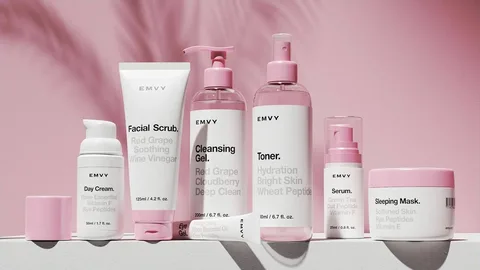
White label skincare products are pre-formulated items created by a third-party manufacturer. These products come without branding, allowing entrepreneurs like you to customize them with your logo and packaging. Essentially, you’re buying a product that’s ready-made, but you get to present it under your own brand name.
White label skincare products offer an efficient solution for startups, enabling them to quickly source and sell a range of items. For those eager to dive into the skincare market without the complexity of formulation, white labeling offers an accessible pathway.
Many businesses that want to diversify their product offerings find white label skincare to be efficient and cost-effective. It not only saves time in the product development phase but also allows you to focus on branding and marketing.
One of the notable benefits of white labeling is its scalability. Since the products are mass-produced, you can easily increase your order quantities as your business grows, making it a smart choice for entrepreneurs looking for flexibility.
The Essence of Private Label Products
In contrast, private label skincare products are specifically manufactured for a single retailer under their brand name. With private label products, you gain more control over specifications, quality, and design — the entire product aligns closely with your brand vision.
While this option offers extensive customization, it typically involves more time, effort, and resources. Private labeling is ideal for those who wish to develop a unique voice and aesthetic in the skincare market. If you have a specific vision and want to create something that stands apart from existing products, then private labeling might be the best route for you.
Key Differences Between White Label and Private Label
Understanding the main distinctions between these two approaches can facilitate a more informed decision. Here are some crucial differences:
- Production Scale: White label products are mass-produced and sold to multiple retailers, while private label products are solely for one retailer.
- Customization: With white label products, the manufacturer typically dictates the minor variations that can be made. In contrast, private label offerings provide fuller control over design specifics, including ingredients, packaging, and marketing strategies.
- Market Speed: White label products can be brought to market much faster since they already exist, while private label products require longer timelines for development due to the customization involved.
- Cost: Generally, white labeling is a more budget-friendly option that allows you to allocate resources toward marketing and distribution, whereas private labeling often comes with higher costs associated with R&D and production.
Making the Right Choice: White Label vs. Private Label
Choosing between white label and private label options requires thoughtful consideration of various factors:
1. Determine Your Budget
If you’re working with a limited budget, white labeling may be the optimal choice. It allows you to enter the skincare market without investing heavily in R&D, letting you shift focus and funds toward branding, marketing, and building customer relationships.
2. Assess Your Time Constraints
If speed is a priority, white label products can help you launch your brand quickly. On the other hand, if you have time for extensive R&D, you might prefer to invest in private label products. This way, you can develop something genuinely unique that reflects your brand’s ideals.
3. Validate Market Demand
White label products have already proven successful in the marketplace, presenting a lower risk. Private label products may carry more risk because of their unique customization requirements.
It’s essential to validate market demand through research and potential customer feedback before committing to more specific formulations.
4. Consider Brand Positioning
Think about how you want to position your brand in the market. White label products are often straightforward and might not stand out as much in a crowded market.
If you aim for exclusivity and high-end appeal, private label options may provide the polish and detail needed to create a standout product line.
5. Long-Term Goals
If you envision expanding your brand significantly in the long run, consider how each option aligns with those ambitions. White label products can be a great starting point, while private label products could offer the unique touch that facilitates brand loyalty among your customers.
Conclusion: Your Path to Creating a Skincare Brand
Launching a skincare brand is more attainable than ever, thanks to the flexibility offered by both white and private label options. Each choice comes with its own set of advantages and challenges, so it’s crucial to evaluate your unique needs, resources, and goals.
By understanding the intricacies of white labeling and private labeling, you’re well on your way to making an informed choice that aligns with your brand’s vision.
Whether you wish to quickly enter the market with white label products or create a bespoke line through private labeling, the skincare industry is ripe with opportunities for passionate entrepreneurs.
Embrace your dreams of building your skincare brand, and with careful planning, the right partnerships, and a focus on quality, you can create products that not only enhance beauty but also build a lasting legacy in the industry.