






Your skincare routine may look simple—cleanse, moisturize, protect—but the cleanser you use plays a much bigger role than most people realize. While it’s meant to remove dirt, oil, and impurities, the wrong cleanser can quietly weaken your skin’s natural defenses. Over time, this damage shows up as dryness, irritation, breakouts, sensitivity, and even premature aging.
At the center of all this is your skin barrier—a protective layer that keeps moisture in and harmful elements out. When your cleanser disrupts this barrier, your skin struggles to stay healthy, balanced, and resilient.
Let’s break down what your skin barrier is, how the wrong cleanser damages it, and what you can do to protect it.
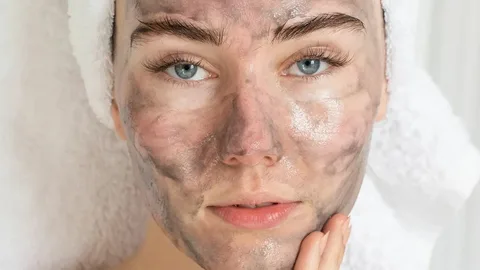
What Is the Skin Barrier and Why Is It Important?
Your skin barrier, also known as the stratum corneum, is the outermost layer of your skin. Think of it like a brick wall:
- Skin cells are the bricks
- Lipids (ceramides, cholesterol, fatty acids) are the mortar
This structure serves several vital functions:
- Locks in hydration
- Shields against pollution, bacteria, and irritants
- Regulates water loss
- Keeps skin calm and comfortable
When the barrier is intact, your skin feels soft, smooth, and balanced. When it’s damaged, even high-quality skincare products may stop working—or make things worse.
How the Wrong Cleanser Damages Your Skin Barrier
1. Over-Stripping Natural Oils
Many cleansers—especially harsh foaming or soap-based ones—are designed to remove oil aggressively. While this might feel “clean,” it often strips away essential lipids your skin needs to function.
When these lipids are removed repeatedly:
- Moisture escapes more easily
- Skin becomes tight and rough
- The barrier weakens over time
This is especially common with cleansers containing strong surfactants or traditional soap formulas.
2. Disrupting Your Skin’s Natural pH
Healthy skin is slightly acidic, with a pH around 4.5–5.5. This acidic environment supports:
- Beneficial skin bacteria
- Proper enzyme function
- Strong lipid production
Many conventional cleansers are too alkaline, which disrupts this balance. Even a small, repeated shift in pH can:
- Slow down barrier repair
- Increase sensitivity
- Make skin more prone to breakouts and inflammation
3. Triggering Inflammation and Sensitivity
Cleansers packed with fragrance, alcohol, dyes, or essential oils may smell and feel luxurious, but they can irritate the skin—especially when used daily.
Chronic low-level irritation leads to:
- Redness
- Stinging or burning
- Weakened barrier function
Over time, skin becomes reactive, meaning it responds negatively to products that once caused no issues.
4. Causing Excessive Water Loss
A compromised barrier allows transepidermal water loss (TEWL)—water escaping from your skin into the air. The result?
- Persistent dryness despite moisturizing
- Flaky or scaly texture
- Skin that feels dehydrated, not just dry
Ironically, this often leads people to cleanse more, worsening the cycle.
5. Creating the “Oily but Dehydrated” Trap
When your cleanser strips away too much oil, your skin tries to protect itself by producing even more oil. This creates the confusing situation where:
- Skin feels greasy on the surface
- Yet tight, dull, or dehydrated underneath
This imbalance increases the risk of clogged pores and breakouts—especially for acne-prone skin.
Signs Your Cleanser Is Damaging Your Skin Barrier
If you notice any of these, your cleanser may be the culprit:
- Tightness immediately after washing
- Redness or itching without a clear cause
- Stinging when applying basic products
- Increased breakouts or rough texture
- Makeup clinging to dry patches
These symptoms often appear gradually, making them easy to ignore until the damage becomes more noticeable.
Why This Happens More Often Than You Think
Many people assume:
- “Squeaky clean” equals healthy skin
- Foaming means better cleansing
- Stronger products work faster
In reality, cleansing is not about intensity—it’s about balance. Because cleansers are used twice daily, even small mistakes add up quickly. A product that seems fine for a week can quietly damage your barrier over months.
This is why dermatologists often emphasize that your cleanser matters more than most other skincare steps.
How to Choose a Barrier-Friendly Cleanser
To protect your skin barrier, look for cleansers that:
- Are gentle and non-stripping
- Have a skin-friendly pH
- Contain hydrating ingredients like glycerin
- Are free from unnecessary irritants
- Rinse clean without leaving skin tight
The goal is simple: clean skin without compromising its natural defenses.
Can a Damaged Skin Barrier Be Repaired?
Yes—but it requires consistency and the right products.
The first and most important step is switching to a gentle cleanser. Without this change, even the best serums and moisturizers can’t fully do their job.
Once the barrier is supported:
- Skin holds moisture better
- Sensitivity decreases
- Texture and tone gradually improve
Many people are surprised at how much their skin improves simply by fixing their cleanser choice.
Final Thoughts
Healthy skin doesn’t start with complicated routines or expensive treatments. It starts with respecting your skin barrier and choosing products that support it, not fight it.
If your skin has been feeling “off” lately, your cleanser may be the quiet cause—and the easiest place to make a powerful change.