






In the high-altitude reaches of the Himalayas, where the air is thin and the geological pressure is immense, a dark, mineral-rich resin known as Shilajit has been seeping from the rock face for millennia. Historically revered in Ayurvedic texts as the “Destroyer of Weakness,” Shilaajit has transitioned in 2026 from an ancient secret to a modern biohacking essential. For the contemporary wellness seeker in India, it represents a bridge between traditional wisdom and cellular science.
However, as the market for natural supplements expands, so does the prevalence of misinformation and low-quality imitations. This comprehensive guide provides the technical and practical depth needed to understand why Shila jit is considered the “Gold of the Himalayas” and how to integrate it safely into a high-performance lifestyle.
The Molecular Genesis: What is Shilajit?
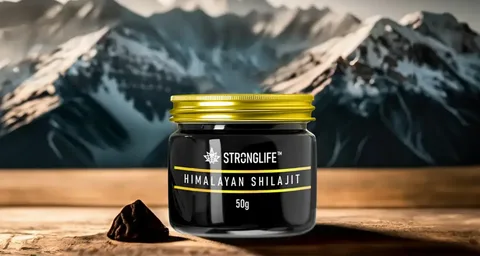
Shilaajit is not a herb, but a phytocomplex—a dense, tar-like resin formed by the slow decomposition of specific plant species and microbial matter over centuries. Trapped between rock layers at altitudes of 1,000 to 5,000 meters, this organic matter undergoes intense pressure and temperature fluctuations, eventually transforming into a substance packed with over 80 ionic minerals.
The true power of Shilajit lies in its concentration of Fulvic Acid. In 2026, molecular biology identifies Fulvic Acid as a “chelator”—a molecule that binds to nutrients and minerals, carrying them across the cell membrane directly into the mitochondria. Without this transport mechanism, many of the minerals we consume via diet or supplements are simply flushed out of the system. Shilajit essentially acts as a “delivery truck” for cellular energy.
Why the 2026 Surge? The Benefits Explained
The resurgence of Shilajit in 2026 is driven by a global shift toward “mitochondrial health.” Scientists now recognize that chronic fatigue, brain fog, and rapid aging are often symptoms of struggling mitochondria.
1. ATP Production and Sustained Energy
Unlike caffeine, which stimulates the central nervous system and often leads to a “crash,” Shilajit works at the source. It encourages the production of ATP (Adenosine Triphosphate), the primary energy currency of the cell. This results in a baseline of stamina that supports both physical exertion and mental focus throughout a 12-hour workday.
2. Testosterone and Hormonal Optimization
For men, Shilajit has become a cornerstone of natural hormonal support. Clinical trials conducted between 2023 and 2025 have consistently shown that purified Shilajit can support healthy levels of free testosterone and follicle-stimulating hormone (FSH). For women, it provides a vital source of bioavailable iron and helps balance the endocrine system, particularly during periods of high stress.
3. Cognitive Clarity and Neuroprotection
Emerging research into “nootropics” has highlighted Shilajit’s ability to inhibit the accumulation of tau proteins. These proteins, when misfolded, are a primary driver of cognitive decline and Alzheimer’s. By keeping the neural pathways clear, Shilajit serves as a long-term investment in brain health.
Sourcing the “Gold”: India’s Himalayan Regions
In India, the quality of Shilajit is dictated by geography. The specific biodiversity of the flora that decomposed millions of years ago determines the mineral profile of the resin today. 2026 standards prioritize three main regions:
-
Uttarakhand (Kumaon and Garhwal): Often cited for having the highest “Ojas” or vitality-building properties due to the pristine nature of the high-altitude peaks.
-
Himachal Pradesh (Spiti and Lahaul): These regions produce a resin known for exceptionally high Fulvic Acid content, often exceeding 60%.
-
Ladakh and Kashmir: These extreme-altitude sources yield a harder, more concentrated resin that is prized for its potency in traditional Tibetan and Ayurvedic medicine.
How to Use Shilajit: Potency and Bioavailability
For maximum efficacy, the Resin form is the gold standard. While capsules and powders offer convenience, the heat used to create dry extracts can sometimes degrade the delicate fulvic compounds.
The Protocol:
-
The Dosage: Use a small wooden or plastic spatula (metal can sometimes react with the minerals) to take a pea-sized amount, roughly 250mg to 500mg.
-
The Medium: Dissolve the resin in a glass of warm—never boiling—water or organic A2 milk. The warmth helps the resin break down, while the fats in milk can assist with the absorption of certain minerals.
-
The Timing: The ideal time is early morning on an empty stomach. This allows the Fulvic Acid to “prime” your cells for the nutrients you will consume during breakfast.
The Purity Crisis: Protecting Yourself from Fakes
Because genuine Shilajit is difficult to harvest, the 2026 market is unfortunately rife with “industrial shilajit”—cheap mixtures of coal dust, gums, and heavy metals. To ensure you are consuming the real “Destroyer of Weakness,” you must be an informed skeptic.
The Four Essential Purity Tests:
-
The Solubility Test: Genuine Shilajit should dissolve completely in warm water within 2–3 minutes. If there is a sandy residue at the bottom or an oily film on top, it is likely adulterated with fillers.
-
The Flame Test: Pure Shilajit resin will bubble and expand when exposed to a lighter, but it will not catch fire. If it burns with a visible flame or smells like burning plastic, discard it immediately.
-
The Pliability Test: At room temperature, the resin is soft. If you put it in the fridge, it should become hard and brittle like glass. If it stays the same consistency regardless of temperature, it likely contains synthetic stabilizers.
-
The Scent: Real Shilajit has a very distinct, pungent, “earthy” aroma—often described as a mix of wet soil and old leather. If it smells like chocolate or has no scent at all, it is fake.
Who Should (and Shouldn’t) Take Shilajit?
While Shilajit is an adaptogen, it is a powerful one. It is not a “one size fits all” supplement.
Who Benefits Most:
-
Athletes: For reduced recovery times and increased VO2 max.
-
Professionals: To combat the oxidative stress of high-pressure environments and blue light exposure.
-
Seniors: To maintain bone density and cognitive “sharpness.”
Who Should Consult a Doctor First:
-
Individuals with Gout: Shilajit can potentially increase uric acid levels in some people.
-
People with Hemochromatosis: Because Shilajit is incredibly high in iron, those with iron-overload disorders should avoid it.
-
Sickle Cell Anemia Patients: High mineral concentrations can interfere with blood cell shape in certain conditions.
-
Pregnant or Nursing Women: While traditionally used, modern clinical safety data for this specific group is still limited in 2026.
Shilajit vs. Ashwagandha: The 2026 Debate
A frequent question in Indian wellness circles is whether to choose Ashwagandha or Shilajit. The answer lies in your specific biological needs.
-
Ashwagandha is a “calmer.” It targets the HPA axis to lower cortisol and reduce anxiety. It is the “brake pedal” for a stressed nervous system.
-
Shilajit is a “charger.” It targets the mitochondria to increase energy and mineral levels. It is the “gas pedal” for a sluggish metabolism.
In 2026, the most effective “longevity stack” often involves taking both: Shilajit in the morning for daytime vitality, and Ashwagandha in the evening for restorative sleep.
Final Thoughts
Shilajit is perhaps the most nutrient-dense natural substance available to the human body. When sourced ethically and purified through traditional “Shodhana” methods, it provides a foundational level of health that is difficult to achieve through diet alone. In an era where our soils are increasingly depleted of minerals, Shilajit offers a direct link back to the earth’s original mineral wealth.