






Self-discipline has become one of the most valuable skills in modern life. We live in a time where distractions are not occasional — they are constant. Notifications, social media feeds, streaming platforms, and endless digital content compete for attention every minute. In such an environment, staying focused is no longer automatic; it requires intentional effort.
Building self-discipline is not about being strict or rigid. It is about creating control over your actions so that your long-term goals matter more than short-term temptations. The good news is that self-discipline is not a personality trait you are born with. It is a skill that can be developed with practice and awareness.
Understand the Real Enemy: Instant Gratification
Modern distractions are designed to provide immediate rewards. A quick scroll gives entertainment. A message gives social validation. A video offers instant stimulation. These small rewards train the brain to prefer fast pleasure over meaningful progress.
Self-discipline begins when you recognize this pattern. Every time you delay a distraction and stay committed to a task, you strengthen your ability to choose long-term benefits over short-term comfort.
The goal is not to eliminate enjoyment but to prevent it from controlling your priorities.
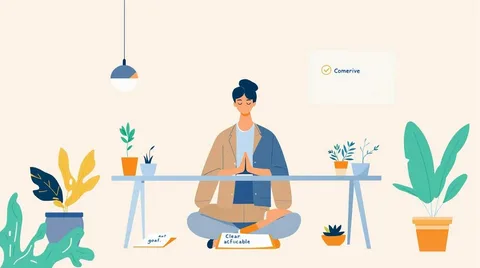
Clarify What Truly Matters
Discipline becomes easier when your goals are clear. Without direction, distractions will always feel more appealing. When you know exactly what you are working toward — whether it is better health, financial growth, academic success, or personal development — your decisions gain purpose.
Write down your priorities. Define what success looks like for you. When your mind understands the “why,” it becomes easier to manage the “how.”
Clarity reduces hesitation and builds commitment.
Design an Environment That Supports Focus
Willpower alone is not enough. Your surroundings strongly influence your behavior. If your phone is always within reach, you are more likely to check it. If your workspace is cluttered, concentration becomes harder.
Create small barriers between you and distractions. Silence unnecessary notifications. Keep your phone away while working. Set specific times for social media instead of random browsing. A focused environment reduces the need for constant self-control.
Discipline grows faster when temptation is minimized.
Practice Consistency Over Intensity
Many people try to build discipline through extreme efforts. They create strict routines, long work hours, or unrealistic goals. This often leads to burnout and frustration.
Instead, focus on small, consistent actions. Commit to manageable tasks and complete them daily. Discipline strengthens through repetition. Even short periods of focused effort, when practiced regularly, build mental resilience.
Progress does not require perfection. It requires consistency.
Strengthen Your Ability to Delay
One of the most powerful ways to build discipline is to practice delaying rewards. When you feel the urge to check your phone or quit a task, pause for a few minutes. This small delay trains your brain to resist impulsive behavior.
Over time, the gap between impulse and action grows. That space is where discipline lives. The more often you practice delaying distractions, the more natural self-control becomes.
Build Healthy Routines
Routines reduce decision fatigue. When positive habits become automatic, they require less mental effort. Waking up at a fixed time, scheduling focused work periods, and setting regular breaks create structure.
Structure protects your time and energy. Instead of constantly deciding what to do next, you follow a plan. This lowers the risk of distraction and strengthens commitment.
Manage Energy, Not Just Time
Discipline is not only about time management; it is also about energy management. Lack of sleep, poor nutrition, and constant stress weaken self-control. When you are physically or mentally exhausted, distractions feel stronger.
Prioritize proper rest, balanced meals, and regular movement. A healthy body supports a disciplined mind.
Accept Discomfort as Part of Growth
Discipline often feels uncomfortable. Focus requires effort. Delaying gratification feels challenging. However, discomfort is not a sign of failure — it is a sign of growth.
When you learn to sit with temporary discomfort instead of escaping it, you build mental strength. Each time you push through resistance, your confidence increases.
Conclusion
In a world filled with constant distractions, self-discipline is a competitive advantage. It allows you to stay aligned with your goals while others drift toward instant rewards. Building discipline does not require drastic changes. It begins with awareness, clear priorities, supportive routines, and consistent effort.
Distractions will always exist. The difference lies in your ability to choose what truly matters. When you strengthen that choice daily, self-discipline becomes not a struggle, but a natural part of who you are.
Frequently Asked Questions (FAQs)
1.What does self-discipline mean, and why is it significant?
Self-discipline is the ability to control your actions, emotions, and habits to achieve long-term goals. It is important because it helps you stay focused, resist distractions, and make decisions that support growth rather than temporary comfort.
2. How long does it take to build self-discipline?
Building self-discipline is a gradual process. It does not happen overnight. With consistent practice and small daily improvements, noticeable changes can appear within a few weeks. Long-term discipline develops through repetition and habit formation.
3. Can self-discipline be learned, or is it natural?
Self-discipline is a skill, not a fixed trait. While some individuals may naturally have a stronger focus, anyone can improve their discipline through structured routines, clear goals, and mindful decision-making.
4. Why do distractions feel so powerful?
Distractions often provide instant rewards, which stimulate the brain’s pleasure system. This immediate satisfaction can feel more appealing than long-term goals. Recognizing this pattern helps you consciously choose productive actions.
5. Does self-discipline mean avoiding all entertainment?
No, self-discipline does not mean eliminating enjoyment. It means balancing pleasure with responsibility. The goal is to control distractions rather than letting them control you.