



You can rank number one for a keyword and still receive zero conversions. At the same time, you can build a technically perfect website and still watch visitors leave within seconds. The reason for this problem is usually search intent, and understanding it can completely change how your marketing performs.
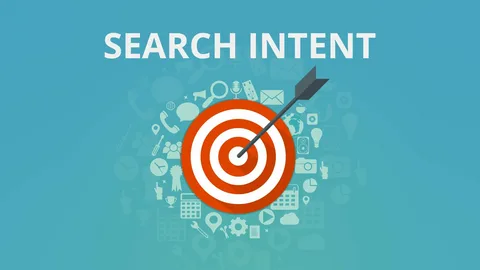
Every time someone types a query into Google, they are searching with a purpose. They may want to learn something, compare options, buy a service, or visit a specific website. That purpose is called search intent, and Google has invested billions of dollars developing systems that understand it.
If your content does not match what the searcher actually wants, Google is unlikely to rank it. Even if the page somehow reaches the first page of results, visitors will leave immediately because the page does not meet their expectations. This issue quietly destroys many marketing campaigns and wastes countless advertising budgets.
Understanding how search intent works helps businesses build content and campaigns that actually convert.
What Search Intent Really Means
Search intent, sometimes called user intent or keyword intent, refers to the real reason behind a search query. It focuses not only on what someone typed but also on what they hope to achieve when they type it.
For example, consider the difference between the searches “how to unclog a drain” and “emergency plumber near me.”
Both queries are related to plumbing. However, they represent two completely different situations. The first search suggests that the user wants to solve the problem themselves. The second search indicates that the user is ready to hire a professional immediately.
Google has become extremely skilled at identifying these differences. Its algorithms analyze many signals when interpreting intent. These signals include the wording of the query, the user’s location, the time of day, previous search behavior, and how people interact with search results over time.
If the top search results for a keyword all follow a similar format, that pattern reveals Google’s understanding of the intent behind that search. When this happens, the message is clear. If your content does not match that format, it will struggle to rank.
The Four Main Types of Search Intent
Most SEO professionals group search intent into four main categories. These categories help marketers understand what type of content should be created for each keyword.
Informational Intent
Informational searches happen when users want to learn something or understand a topic better. Examples include searches such as “how does SEO work,” “what causes low water pressure,” or “best practices for email marketing.”
Users performing informational searches are not ready to purchase yet. They are researching or learning. Blog posts, guides, tutorials, and educational articles work best for these types of queries.
Navigational Intent
Navigational searches occur when someone already knows where they want to go online. Instead of typing a full web address, they use Google as a shortcut.
Examples include searches like “Angi login,” “HomeAdvisor contractor portal,” or “Yelp plumbers.” The user wants a specific website, not general information. Pages that support this intent usually include brand pages or login portals.
Commercial Intent
Commercial searches happen when users are researching before making a purchase decision. They want to compare options or evaluate different companies.
Transactional Intent
Transactional searches happen when users are ready to act immediately. They want to book a service, make a purchase, or contact a business.
Examples include “book AC repair today,” “emergency plumber available now,” or “get a roofing estimate.” These searches should lead directly to service pages or conversion-focused landing pages. Sending transactional users to blog posts usually results in lost conversions.
Why Search Intent Is Critical for Home Services
Few industries depend on search intent as strongly as the home services sector. When a person faces a plumbing crisis or HVAC failure, they typically require urgent assistance.
At that moment, the customer does not want a long educational article explaining how plumbing systems work. Instead, they want a phone number, confirmation that the company serves their area, and an estimate of how quickly help can arrive.
If a service page does not provide this information quickly, the visitor will simply click the next search result.
This is why home services lead generation strategies must always focus on intent. A business might attract large amounts of traffic through educational content, but if those visitors are not ready to hire a service, the traffic will not generate revenue.
Successful companies structure their websites around intent mapping. Service pages target transactional searches. Local pages focus on geographic queries. Blog posts answer informational questions that build trust and authority over time.
Search Intent in Paid Advertising
Search intent is equally important in paid advertising campaigns. When businesses run home services PPC advertising, every click costs money. If the search intent does not match the landing page, that money is wasted.
Google Ads rewards advertisers who align keywords, ads, and landing pages with user intent. This system is reflected in Quality Score.
Ads that match search intent receive higher Quality Scores. Higher scores usually mean lower cost-per-click and better ad placement.
A useful strategy when building PPC campaigns is to group keywords by intent before grouping them by topic. Transactional searches such as “emergency plumber call now” should lead directly to pages with click-to-call options. Commercial searches like “best plumber reviews” should lead to pages that build trust before asking for contact information.
Negative keywords also play an important role. For example, if an HVAC company targets the keyword “HVAC,” it may attract students researching careers or people reading technical information. These users rarely become customers. Filtering out non-transactional intent saves advertising budgets and improves campaign performance.
How to Identify Search Intent for Keywords
Understanding intent requires careful research. One simple method is to search the keyword yourself and analyze the results page.
Look at the types of content that appear in the top results. If most pages are blog posts, the intent is likely informational. If the results include service pages or booking forms, the intent is probably transactional.
The People Also Ask section also provides valuable clues. These questions reveal additional concerns users have about the topic. They often highlight related intent signals that can guide content creation.
Autocomplete suggestions can also reveal how people refine their searches. These suggestions help identify secondary intent patterns that may not be obvious at first.
Another useful indicator is bounce rate. If a page ranks well but visitors leave immediately, the content likely does not match the intent of the keyword.
Why Specialist SEO Agencies Understand Intent Better
Working with an SEO agency for home services can make a significant difference because specialists understand the unique search behavior within the industry.
Home services searches are often highly local and seasonal. For example, HVAC searches increase dramatically before summer heat waves. Plumbing emergencies increase during winter in colder climates. These patterns influence how intent shifts throughout the year.
Specialist agencies also understand that trust signals play a large role in home services searches. When someone searches for “best electricians near me,” they are not only looking for a company name. They are also evaluating reviews, certifications, response times, and pricing transparency.
Recognizing these layered intent signals allows businesses to create content that addresses both transactional and trust-building needs.
Common Search Intent Mistakes
Many marketing strategies fail because they misunderstand intent.
One common mistake is optimizing service pages for informational keywords. For example, a page designed to sell roof repair services should not target a keyword like “how roof repair works.” Instead, it should target phrases such as “roof repair near me” or “roof repair in [city].”
Another mistake is writing articles for keywords that require tools or calculators. Some searches are best answered with interactive tools, such as cost calculators. A long blog article will struggle to compete if users expect a tool instead.
Sending all advertising traffic to the homepage is another common error. When someone searches for “furnace repair Chicago,” they expect a page focused specifically on that service. A generic homepage forces the user to search again for the information they need.
The Future of Search Intent
Search intent analysis will become even more important in the future. New technologies such as AI-generated search summaries and voice search are changing how information appears in search results.
However, the underlying principle remains the same. Google continues rewarding content that clearly satisfies what the user wants.
Voice searches make intent even more direct. A search like “find a plumber open right now near me” shows immediate transactional intent. Businesses prepared for these types of searches will have a strong advantage.
Conclusion
Search intent is not just a small detail within SEO. It is the foundation that determines whether content ranks, attracts visitors, and converts them into customers.
When a business aligns its content with the exact needs of the searcher, marketing becomes far more effective. Rankings improve, bounce rates decrease, and conversion rates increase.
Whether you are building a home services lead generation system, improving your PPC advertising campaigns, or working with an SEO agency for home services, every decision should begin with intent.
Because in the end, Google’s goal is simple. It wants to give users exactly what they are searching for. Your job is to make sure your business provides that answer.