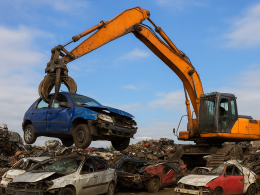




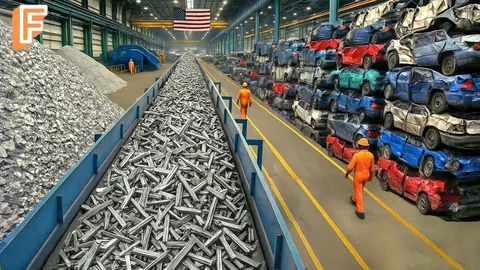
Cars, like everything else, don’t last forever. Over time, they wear out, break down, or become unsafe for the road. Many people believe that once a car stops working, its journey ends. In reality, the story of a scrap car is just beginning. Car recycling gives these vehicles a new lease on life through a detailed process that recovers valuable materials and reduces waste. In Ipswich, this car recycling process plays a key role in managing automotive waste, focusing on reuse and conservation. Not only does this approach reduce environmental harm, but it also conserves natural resources.
The Growing Issue of End-of-Life Vehicles
As the number of vehicles on the road increases each year, the number of cars reaching the end of their life continues to rise. On a global scale, millions of vehicles are retired annually. These cars are made up of a range of materials, including steel, aluminum, plastics, rubber, and glass. If these materials aren’t properly managed, they can cause significant environmental damage.
For example, car fluids like engine oil and coolant can leak into the ground, contaminating soil and water. Plastics and rubber, which take years to break down, can pile up in landfills. This is where the importance of proper car recycling comes into play. In Ipswich, scrap cars are handled carefully to prevent harm and ensure that valuable resources are recovered.
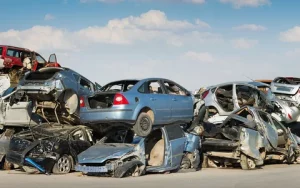
Step 1: Safe Vehicle Handling
When a scrap car arrives at a car recycling center in Ipswich, it undergoes several steps, starting with safety and environmental care. The first task is to drain all hazardous fluids from the vehicle. This includes engine oil, coolant, brake fluid, and fuel. If left untreated, these liquids can leak into the environment, causing pollution.
In addition to fluids, the vehicle’s battery is removed. Car batteries contain hazardous lead and acid, which must be managed properly. By car recycling these batteries, valuable materials such as lead can be recovered, and the harmful environmental effects are minimized.
Step 2: Recovering Usable Car Parts
Not every component of a scrap car is beyond repair. Many parts are still in good condition and can be reused. Skilled workers at the car recycling facility inspect the car and remove parts that are still usable. Items such as engines, gearboxes, alternators, and electronic components are often taken out for reuse. Even tires with good tread can be salvaged and put to new use.
By recovering these parts, the demand for new parts is reduced, which conserves natural resources and minimizes waste. It also lowers the need for manufacturing new components, saving both energy and money. This process supports a circular economy, where parts and materials are reused as much as possible.
Step 3: Breaking Down the Car Structure
Once the reusable parts are removed, the remaining body of the car is processed. The vehicle is crushed, and the materials are separated. Steel, which makes up about two-thirds of a car’s weight, is the primary material recovered. Steel can be recycled indefinitely without losing its strength, making it one of the most valuable materials in the car recycling process.
After steel, other materials such as plastics, rubber, and glass are sorted. Each material follows a separate recycling pathway. Plastics are often melted down and reused in various industries, while glass can be recycled into new windows or used in other products. Rubber from tires can be repurposed for flooring, playgrounds, or even used in road construction.
The Environmental Impact of Recycling
Recycling scrap cars has a substantial positive impact on the environment. By ensuring that materials are properly handled and reused, the amount of waste sent to landfills is drastically reduced. This helps protect the land from pollution and minimizes the need for new mining operations. Mining can have severe consequences on the environment, including habitat destruction and excessive energy consumption.
Recycling also reduces the need to manufacture new steel, aluminum, and plastic, cutting down on energy use and greenhouse gas emissions. In fact, car recycling steel from old cars saves up to 74% of the energy required to make new steel from raw materials. This makes car recycling one of the most effective ways to conserve energy and reduce carbon footprints.
Economic Contribution to Ipswich
The scrap car recycling industry provides significant economic benefits to Ipswich. It creates jobs in various sectors, including vehicle collection, dismantling, and material processing. Local businesses benefit from the sale of recovered parts, which are then used to repair and maintain other vehicles. This reduces the need for brand new parts, helping both consumers and small businesses save money.
The industry also supports a thriving market for used car parts. These parts are often more affordable than new ones, allowing individuals and mechanics to keep their vehicles running for longer. The money saved in parts costs also helps reduce overall vehicle maintenance expenses, making car ownership more affordable.
Challenges in Modern Vehicle Recycling
While scrap car recycling has made great strides, challenges remain. Modern cars are made with more complex materials, including mixed plastics and electronic components, which can be difficult to separate and recycle effectively. Additionally, electric vehicles (EVs) present new challenges for recyclers.
EVs are equipped with large lithium-ion batteries that must be handled carefully due to their size and the potential for fire hazards. Special methods are required to safely recycle these batteries and recover valuable materials such as lithium, cobalt, and nickel. As the number of EVs increases in the coming years, the recycling process will need to adapt to manage these new materials.
The Role of Public Awareness
Public awareness is crucial in promoting responsible recycling practices. When people understand the importance of properly disposing of scrap cars, they are more likely to make environmentally friendly decisions. Recycling programs and incentives can encourage individuals to turn in their old vehicles, ensuring they are disposed of in a way that minimizes harm to the environment.
Additionally, educating the public on the importance of recycling car parts and fluids can further reduce waste and pollution. When people recognize the value of their old vehicles and the potential for reuse, they are more likely to take the necessary steps to recycle them properly.
The Future of Scrap Car Recycling in Ipswich
Looking ahead, the future of scrap car recycling in Ipswich is bright. New technologies and methods are being developed to improve the efficiency and effectiveness of the recycling process. Car manufacturers are also working on designing vehicles with recycling in mind, making it easier to disassemble and reuse parts.
As electric vehicles become more common, the focus will shift toward developing safe and sustainable methods to recycle EV batteries. These advancements will help ensure that scrap car recycling continues to play a key role in reducing waste and conserving resources.
Conclusion: A New Life for Old Cars
In Ipswich, scrap cars do not simply disappear. They enter a system that focuses on recycling and reuse, providing significant benefits to the environment, economy, and society. The recycling of scrap cars reduces waste, conserves valuable resources, and creates jobs within the community.
Each vehicle that is recycled helps minimize the environmental impact of automotive waste. By carefully managing the recycling process, Ipswich is ensuring that even at the end of a car’s life, it still has a meaningful role to play in the world. In doing so, the city is helping pave the way for a more sustainable future.