




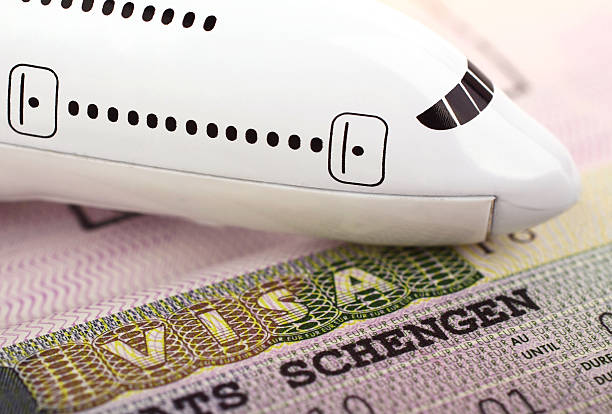
Exploring Europe often means experiencing more than just one destination. Many travelers dream of walking along the Seine in Paris, admiring ancient architecture in Rome, and cruising through the canals of Amsterdam all within a single trip. Naturally, this leads to an important question: can you visit Multiple Countries on One Schengen Visa without applying for separate visas for each country?
The answer is yes. The Schengen visa application system is specifically designed to make cross-border travel within Europe simple and efficient. However, while the flexibility is real, travelers must understand the rules, limitations, and correct application strategy to avoid unnecessary stress or complications. In this detailed Go Kite Travel guide, we explain everything clearly so you can plan your European journey with confidence.
Complete Guide to Traveling Multiple Countries on One Schengen Visa
What Is the Schengen Area?
The Schengen Area is a group of 27 European countries that have eliminated internal border controls, allowing travelers to move freely between member states with a single valid Schengen visa. It functions as one unified travel zone for short-term visits.
Once you enter any Schengen country, you can generally travel across others without additional immigration checks. This agreement simplifies multi-country European trips and promotes seamless tourism and business travel.
Bottom of Form
Yes, You Can Travel to Multiple Countries on One Schengen Visa
A valid short-stay Schengen visa (Type C) allows you to visit Multiple Countries on One Schengen Visa during its validity period. You do not need to obtain separate visas for each destination inside the Schengen Area.
You may:
- Enter through one Schengen country
- Travel across several member states
- Exit from a different Schengen country
- All under a single visa.
However, this freedom depends on complying with visa conditions such as entry type, permitted stay duration, and validity dates.

Understanding the Different Entry Types
Single-Entry Visa
A single-entry visa allows you to enter the Schengen Area once during its validity period. After entry, you may travel freely between all member countries as long as you remain within the zone. However, if you leave the Schengen Area, even before your visa expires, you cannot re-enter on that same visa.
Double-Entry Visa
A double-entry visa permits two separate entries into the Schengen Area within the validity dates. This option is useful for travelers who plan to briefly exit the Schengen zone and return during the same trip. After the second exit, the visa becomes invalid, regardless of any remaining days or validity period.
Multiple-Entry Visa
A multiple-entry visa allows you to enter and exit the Schengen Area several times during its validity period. It offers greater flexibility for frequent travelers, business visitors, or those planning multiple European trips. However, you must still comply with the 90-day limit within any rolling 180-day period.
The 90/180-Day Rule: A Critical Regulation
When traveling within the Schengen Area, the most important regulation to understand is the 90/180-day rule. This regulation permits you to remain for a maximum of 90 days in any continuous 180-day timeframe. The calculation applies to the entire Schengen zone collectively, not to individual countries.
This means your total days spent across all member states are counted together. Even if you divide your stay between several countries, the combined duration must not exceed 90 days. Exceeding this limit can result in fines, entry bans, or future visa refusals, making careful date tracking essential.
- Top of Form
- Bottom of Form
Which Country Should You Apply Through?
Although a Schengen visa grants access to all member states, you must submit your application to the correct country’s embassy or consulate. The general rule is simple: apply through the country where you will spend the most days during your trip.
If your stay is evenly divided between two or more countries, you should apply through the country of first entry. Selecting the appropriate embassy is crucial, as applying to the wrong one can lead to delays, additional questioning, or even rejection of your application.
- Top of Form
- Bottom of Form
Entry and Exit Flexibility
A common concern among travelers is whether they must enter the Schengen Area through the same country that issued their visa. In most cases, this is not mandatory. You may enter through another Schengen country, provided your main destination remains consistent with the itinerary submitted during your application.
Immigration authorities may request supporting documents such as hotel reservations, return tickets, proof of funds, and valid travel insurance. As long as your travel plan aligns with your declared purpose and you meet all visa conditions, entry and exit through different Schengen countries is generally permitted.
- Top of Form
- Bottom of Form
Traveling Between Schengen Countries
Once inside the Schengen Area, internal travel is simple. You can take trains, flights, buses, or drive between countries without routine immigration checks.
This border-free movement allows travelers to experience diverse cultures and destinations in a single seamless journey. However, it is advisable to carry your passport and visa at all times in case of random checks.
Common Mistakes to Avoid
Even though traveling to Multiple Countries on One Schengen Visa is allowed, mistakes can create serious issues. Some common errors include:
- Applying at the wrong embassy
- Misrepresenting your main destination
- Overstaying beyond 90 days
- Leaving the Schengen Area on a single-entry visa
- Failing to maintain valid travel insurance
Being honest, consistent, and well-prepared significantly increases your chances of a successful trip.
Why Professional Guidance Makes a Difference
Many visa refusals occur not because travelers are ineligible, but because their documentation is incomplete, inconsistent, or poorly structured.
A carefully prepared application with clear travel plans, proper financial documentation, confirmed accommodations, and valid insurance can improve approval confidence. Professional assistance ensures your documents align with embassy expectations and Schengen regulations.
Final Thoughts
Traveling to Multiple Countries on One Schengen Visa is not only possible but one of the greatest advantages of Europe’s unified travel system. With the right visa type, accurate documentation, and careful planning, you can explore several European destinations in one efficient and memorable journey.
Understanding the rules especially the 90/180-day limit and correct embassy selection is essential. When these conditions are met, a single apply for Schengen visa opens the door to an entire continent, allowing you to travel confidently, legally, and without unnecessary complications.
If you plan strategically and follow the guidelines carefully, your European adventure across multiple countries can be smooth, rewarding, and truly unforgettable.