








Introduction
Ensuring safety and compliance in the workplace is critical for every organization. Field operations, in particular, carry risks that need constant monitoring. Traditionally, risk assessments and standard operating procedure (SOP) checks were done manually, which can be time-consuming, error-prone, and inconsistent. Today, technology is transforming this process. Automating field risk assessments and SOP checks not only improves accuracy but also ensures faster reporting, real-time monitoring, and better compliance. In this article, we explore the benefits, tools, and best practices for automating safety and compliance processes.
Understanding Field Risk Assessments
Field risk assessments are evaluations conducted to identify potential hazards in the workplace. They help organizations:
- Identify risks before accidents occur
- Implement preventive measures
- Ensure employees follow safety protocols
- Comply with regulatory standards
Traditionally, these assessments were conducted through manual checklists, forms, or on-site inspections. While effective to some extent, manual assessments are prone to human error, missed observations, and delayed reporting. Automation can address these challenges efficiently.
Rise of Loan Against LIC Policy
Over the past few years, loans against LIC (Life Insurance Corporation) policies have become increasingly popular among policyholders. This rise is mainly because people want quick access to funds without disturbing their long-term investments. Unlike traditional personal loans or bank loans, these loans are easier to get, require minimal paperwork, and usually have lower interest rates. The growth is also fueled by increased awareness of financial planning and the need for emergency funds. Today, more people are realizing that they can leverage their life insurance policies to meet short-term financial requirements while continuing to enjoy the benefits of the policy.
How Automation Transforms Risk Assessments
Automation uses technology to simplify and streamline risk assessment processes. Key benefits include:
- Real-Time Data Collection: Automated tools allow workers to record hazards directly from mobile devices. Data is uploaded instantly, reducing delays and enabling faster action.
- Consistency Across Locations: Automated templates and workflows ensure every site follows the same assessment process, reducing variation in results.
- Data Analysis and Reporting: Automated systems can analyze collected data to highlight trends, recurring hazards, or areas needing improvement. Reports are generated quickly for management review.
- Improved Compliance: Automation helps organizations adhere to regulatory requirements by maintaining detailed records of assessments and corrective actions.
- Time and Cost Savings: By reducing paperwork, site visits, and manual tracking, companies save both time and resources, which can be redirected to other safety initiatives.
The Role of SOP Checks in Safety
Loans against LIC policies play a significant role in personal financial management. They act as a safety net during emergencies, allowing individuals to meet urgent expenses without surrendering their policies. Policyholders can continue enjoying life cover benefits and accumulating bonuses, which helps maintain financial stability.
Additionally, these loans encourage responsible borrowing, as individuals often calculate the loan amount based on the surrender value of their policy rather than taking unnecessary debt. In essence, they provide both liquidity and security, making them an essential tool in modern financial planning.
Standard Operating Procedures (SOPs) are written instructions designed to guide employees in performing tasks safely and efficiently. SOP checks ensure employees follow these procedures consistently.
Manual SOP checks can be labor-intensive and sometimes overlooked. Automation can simplify this process by:
- Sending reminders for scheduled checks
- Allowing employees to complete digital checklists via mobile apps
- Automatically logging completion and flagging non-compliance
- Integrating with risk assessment data for a complete safety overview
Automated SOP checks help maintain consistency, reduce errors, and ensure accountability.
Key Technologies for Automation
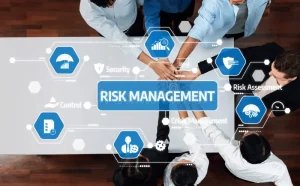
Several technologies support automated field risk assessments and SOP checks:
- Mobile Apps: Mobile applications allow field workers to complete checklists, capture photos, and submit reports instantly.
- Cloud-Based Platforms: Cloud solutions store all safety and compliance data in one place, accessible from any location.
- Artificial Intelligence (AI): AI tools can detect patterns in hazard reports and suggest preventive actions before incidents occur.
- IoT Devices: Sensors and IoT devices monitor environmental conditions in real time, automatically triggering alerts for potential hazards.
- Workflow Automation Software: These systems streamline approval processes, assign tasks, and track completion of safety checks.
Using these technologies together creates a seamless safety and compliance ecosystem.
Benefits of Automating Safety and Compliance
A loan against an LIC policy offers several advantages that make it an attractive option. One major benefit is that it is quick and simple to apply for, and policyholders do not need to provide additional security since the policy itself acts as collateral. The interest rates are lower compared to personal loans or credit cards, which reduces financial pressure.
Borrowers can use the money for any purpose, such as medical emergencies, home renovations, education, or even business expenses. Moreover, the policy continues to earn bonuses during the loan period, so the long-term growth of the policy is not significantly affected, making it a flexible and practical borrowing option.
- Enhanced Worker Safety: By identifying hazards quickly and ensuring SOPs are followed, automation reduces accidents and injuries.
- Regulatory Compliance: Automated systems maintain accurate records, making it easier to comply with workplace safety laws and regulations.
- Faster Decision-Making: Managers receive real-time data, allowing them to take action immediately when risks are detected.
- Reduced Human Error: Automation minimizes the chance of missed steps, overlooked hazards, and incomplete documentation.
- Cost Efficiency: Fewer accidents, less manual labor, and efficient reporting contribute to lower operational costs.
- Data-Driven Insights: Automation provides analytics that help organizations identify high-risk areas, optimize safety procedures, and prevent future incidents.
Best Practices for Implementing Automation
- Start Small and Scale Up: Begin with high-risk areas or critical SOPs. Gradually expand automation to other processes.
- Train Employees: Ensure staff understand how to use new digital tools effectively. Training is essential for adoption and success.
- Integrate With Existing Systems: Automated risk assessment and SOP tools should integrate with current safety management systems for seamless data flow.
- Regular Updates and Maintenance: Keep templates, checklists, and workflows updated to reflect changing regulations or organizational requirements.
- Monitor and Review Performance: Use dashboards and analytics to track completion rates, compliance levels, and recurring issues. Continuous monitoring helps refine processes.
Challenges and How to Overcome Them
Despite the benefits, there are some challenges associated with these loans. The maximum loan amount is limited to a portion of the policy’s surrender value, which may not be sufficient for very large financial needs. Borrowers also need to carefully consider interest rates and repayment schedules; failure to repay the loan on time can reduce the maturity value of the policy.
In addition, some policyholders may not fully understand how the loan affects bonuses or life cover. Lack of awareness about terms and conditions can lead to financial losses, so it is important to read the policy details carefully before applying for a loan.
While automation offers many benefits, organizations may face challenges such as:
- Resistance to Change: Employees may be hesitant to adopt new technology. Address this with training and clear communication.
- Initial Costs: Implementing automation requires investment in software and devices. Emphasize long-term savings and ROI.
- Data Security: Storing sensitive safety data digitally requires robust security measures. Ensure encryption and secure access controls.
By anticipating these challenges, companies can implement automation successfully and achieve maximum benefits.
Real-World Applications
Automation of field risk assessments and SOP checks is already making a difference across industries:
- Construction: Real-time hazard reporting and automated checklist completion reduce site accidents.
- Oil and Gas: IoT sensors monitor equipment and environmental conditions to prevent incidents.
- Manufacturing: Automated SOP checks ensure machinery is operated safely and maintenance is performed on schedule.
- Logistics: Drivers and warehouse staff use mobile apps to report risks, ensuring compliance with safety standards.
These examples demonstrate that automation is not limited to one sector; it is transforming workplace safety across the board.
Future Trends in Safety Automation
The future of loans against LIC policies looks promising as more people seek low-cost, flexible borrowing options. Insurance companies are improving their loan processes, offering faster approvals and simplified procedures. With rising financial literacy, more individuals will understand how to leverage their policies responsibly.
In addition, as emergencies and unexpected expenses become more common, the demand for such loans is likely to grow. The combination of convenience, security, and low interest rates ensures that these loans will continue to play a vital role in personal finance for years to come.
- Predictive Analytics: AI will predict potential hazards based on historical data, allowing proactive measures.
- Wearable Technology: Smart helmets, vests, and wristbands will monitor worker health and environmental risks in real time.
- Integration With Augmented Reality (AR): AR can guide workers through risk assessments and SOPs visually, improving accuracy and understanding.
- Enhanced Mobile Solutions: Mobile apps will become more intuitive, with offline capabilities and automatic syncing to cloud systems.
As technology advances, automated safety and compliance processes will become even more efficient, proactive, and user-friendly.
Conclusion
Automating field risk assessments and SOP checks is no longer just an option—it is a necessity for modern organizations aiming to ensure safety, compliance, and efficiency. Automation reduces human error, provides real-time data, and ensures that safety procedures are followed consistently across all locations. By leveraging mobile apps, cloud platforms, AI, and IoT technologies, businesses can enhance worker safety, maintain regulatory compliance, and save costs. With proper planning, employee training, and regular monitoring, automation can transform the way organizations manage risk and uphold safety standards. Investing in these solutions today ensures a safer, more productive workplace tomorrow.