







The Indonesia-Malaysia border dispute over Sabah and Kalimantan has long been a source of tension in Southeast Asia, yet the complexities of the conflict are often misunderstood. Rooted in colonial-era agreements, territorial claims, and resource competition, this dispute touches on issues of sovereignty, national identity, and regional stability. Understanding the Sabah-Kalimantan border debate requires examining the historical context, legal arguments, and contemporary geopolitical implications that define the dispute.
Historical Background of the Dispute
The origins of the Sabah-Kalimantan dispute date back to the 19th century, when European colonial powers established borders without fully considering local demographics or traditional territories. The British North Borneo Company controlled Sabah, while the Dutch East Indies governed what is now Indonesian Kalimantan. Colonial-era treaties, such as the 1878 agreement between the Sultanate of Sulu and the British, have become focal points in the territorial claims of both Indonesia and Malaysia.
After Malaysia was formed in 1963, incorporating Sabah, Indonesia challenged the legitimacy of this incorporation, arguing that the Sulu Sultanate’s consent and historical claims had been overlooked. Although Indonesia eventually recognized Malaysia’s sovereignty over Sabah in the 1960s following diplomatic negotiations, occasional maritime and land disputes along the border have resurfaced, particularly in resource-rich areas.
Geographical and Strategic Importance
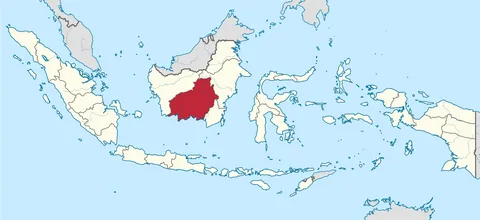
The Sabah-Kalimantan border region is strategically significant due to its location and abundant natural resources. Sabah is located at the northern end of Borneo and shares a border with Indonesian Kalimantan to the south. The area contains dense tropical forests, rich biodiversity, and extensive oil, gas, and timber resources.
Control over this region affects not only national pride but also economic and strategic interests. Both countries rely on border management to prevent illegal logging, smuggling, and human trafficking, while ensuring security in areas that are sometimes remote and difficult to patrol. The dispute is further complicated by the presence of indigenous populations and cross-border migration, which requires sensitive governance and diplomatic coordination.
Legal and Political Dimensions
At the heart of the Indonesia-Malaysia border dispute are competing legal interpretations. Indonesia emphasizes historical treaties with the Sulu Sultanate, while Malaysia points to agreements recognized under international law, particularly post-independence treaties and United Nations conventions.
Political factors also influence the debate. Nationalist sentiments in both countries can intensify rhetoric over the border, especially during election periods. Additionally, local administrations in Sabah and Kalimantan often have vested interests in resource management, creating domestic pressures that influence foreign policy decisions.
Despite periodic tensions, both nations generally pursue diplomatic and legal channels to address disputes, signaling a commitment to regional stability and ASEAN norms.
Maritime Disputes and Resource Competition
A significant component of the Sabah-Kalimantan debate involves maritime boundaries in the Celebes Sea and the Sulu Sea. Disputes over fishing rights, oil exploration, and gas extraction have occasionally escalated tensions. Illegal fishing and resource exploitation by local and foreign entities complicate enforcement, prompting both Indonesia and Malaysia to strengthen naval patrols and surveillance in disputed waters.
These maritime disputes highlight the economic stakes of the border issue. Sabah’s offshore oil reserves and Kalimantan’s natural gas fields are highly lucrative, providing incentives for both countries to assert control. At the same time, cooperative resource management agreements have occasionally been implemented, demonstrating the potential for joint development solutions in contested areas.
ASEAN and Regional Implications
The Sabah-Kalimantan border dispute is not only a bilateral issue; it has broader implications for ASEAN and regional stability. Southeast Asia’s multilateral institutions, such as ASEAN, promote dialogue, conflict resolution, and adherence to international norms, which both Indonesia and Malaysia generally respect.
However, recurring tensions remind observers that even among ASEAN members, border disputes can test regional cohesion. The dispute underscores the importance of diplomatic negotiation, transparency, and conflict prevention mechanisms to maintain stability in Southeast Asia, particularly in resource-rich and strategically significant areas.
Efforts Toward Resolution
Over the years, Indonesia and Malaysia have taken several steps to manage the Sabah-Kalimantan border issue. Joint commissions, boundary demarcation initiatives, and technical surveys aim to clarify both land and maritime limits. Confidence-building measures, such as coordinated patrols and information-sharing on cross-border crime, have also reduced the risk of conflict.
While full resolution remains elusive, these efforts demonstrate that peaceful negotiation and adherence to international law remain central to both countries’ strategies. Analysts emphasize that sustainable solutions will require balancing sovereignty, resource management, and community needs, ensuring that local populations are protected and national interests respected.
Key Takeaways
The Sabah-Kalimantan border dispute illustrates several important dynamics:
- Historical agreements and colonial legacies continue to shape modern territorial claims.
- Resource competition in forests, oil, and gas increases the stakes of the dispute.
- Maritime boundaries add complexity to enforcement and sovereignty claims.
- Diplomacy and ASEAN frameworks provide mechanisms for managing disputes peacefully.
- Nationalist sentiment and domestic politics can influence foreign policy and border enforcement.
Understanding these factors helps explain why the Indonesia-Malaysia border dispute remains sensitive and significant for both countries.
Conclusion
The Sabah-Kalimantan dispute is a nuanced and multifaceted issue that goes beyond simple territorial claims. It encompasses historical treaties, economic interests, maritime rights, and political considerations. While tensions occasionally flare, Indonesia and Malaysia generally pursue diplomatic, legal, and cooperative approaches to manage the border responsibly.
For the region, the dispute serves as a reminder of the ongoing importance of ASEAN-led conflict prevention, cross-border collaboration, and respect for international law. As both nations continue to navigate these challenges, the Sabah-Kalimantan border debate highlights the delicate balance between national sovereignty, resource security, and regional stability in Southeast Asia.