



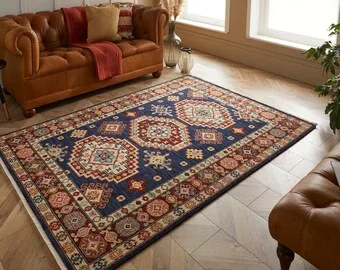
Rugs have been an essential part of human living spaces for centuries. Beyond their visual beauty, they carry deep cultural meaning and showcase the artistic skills of the regions they come from.
Whether displayed in royal palaces, cozy homes, or modern apartments, each rug tells a story of craftsmanship, tradition, and identity. Today, as global trade and design have evolved, rug weaving continues to bridge the gap between ancient artistry and modern interior trends.
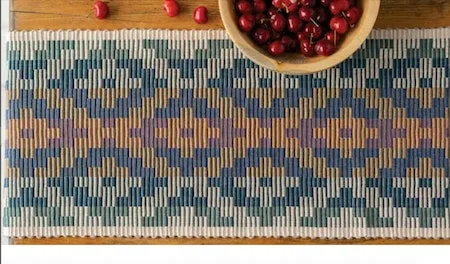
The Art and Heritage of Rug Weaving
Rug weaving is not just a craft it’s a timeless art form that blends patience, precision, and passion. Each thread woven into a rug tells a story of heritage, culture, and human creativity. Across the world, from the intricate patterns of Persian masterpieces to the bold tribal designs of Moroccan and Turkish rugs, every region has developed its own weaving identity.
In India, for instance, artisans spend months meticulously creating hand-knotted rugs that showcase vibrant colors and symbolic motifs inspired by nature and tradition.
What makes rug weaving truly remarkable is the level of dedication and artistry involved. Generations of craftsmen have passed down their knowledge, techniques, and secrets, ensuring that this ancient tradition continues to thrive even in today’s modern world.
Every loom, knot, and weave carries the imprint of the artisan’s skill — making each rug not just a decorative piece, but a living story of culture, endurance, and beauty.
Exploring Rugs in Dubai
When exploring rugs in Dubai, one can experience the diversity of global craftsmanship in one place. Dubai has become a major hub for luxury rugs, offering a vast selection of handmade pieces from across Asia, the Middle East, and Africa.
Whether you prefer the detailed knotting of Persian rugs or the vibrant patterns of Moroccan ones, Dubai’s rug markets bring the world’s finest artistry under one roof. For homeowners and collectors alike, it’s the perfect destination to find rugs that elevate both style and comfort.
Popular Rug Weaving Techniques
Discover the most celebrated rug weaving techniques used across the world from intricate hand-knotting to lightweight flat-weaving and modern tufting methods. Each technique brings a unique texture, durability, and cultural story to your home’s décor.
1. Hand-Knotted Rugs
This traditional and intricate method involves tying thousands of tiny knots by hand to create detailed patterns. Persian and Turkish hand-knotted rugs are highly valued for their durability, craftsmanship, and exquisite detail — often taking months or even years to complete.
2. Flat-Woven Rugs
Flat-woven rugs, such as kilims and dhurries, are made without any pile, giving them a thin and lightweight structure. These rugs are perfect for modern spaces because they are reversible, easy to maintain, and available in beautiful geometric designs.
3. Tufted Rugs
Tufted rugs are created using a tufting gun that punches yarn through a fabric backing to form loops or cut piles. This modern technique is much faster than traditional hand-knotting, allowing artisans and designers to experiment with various textures, patterns, and colors.
Once the design is completed, a layer of latex is applied to secure the yarn, and a secondary backing is added for extra stability and comfort. Tufted rugs are loved for their soft, plush surface and their ability to bring a luxurious feel to any space. Whether used in living rooms, bedrooms, or offices, they offer an ideal blend of creativity, affordability, and elegance making them a favorite choice for contemporary interiors that don’t compromise on style.
Blending Tradition with Modern Interiors
In today’s design world, traditional weaving methods are being reimagined to fit modern lifestyles. Through expert interior design services, handcrafted rugs are being paired with minimalist, bohemian, and luxury aesthetics to add depth, warmth, and character to living spaces.
These collaborations between artisans and designers ensure that centuries-old techniques continue to thrive in contemporary homes.
A Global Craft That Connects Cultures
From the looms of India to the workshops of Turkey, rug weaving remains a timeless craft that transcends borders. Every rug represents not just an artistic creation, but a cultural exchange between history and modernity.
As interior trends evolve, these woven masterpieces remind us that true beauty lies in craftsmanship, culture, and the stories that live beneath our feet.
Conclusion
Rug weaving is far more than a traditional craft — it’s a global language of art, culture, and creativity. Each woven thread carries the legacy of generations who have poured their skill, patience, and soul into transforming simple fibers into masterpieces.
Whether it’s the hand-knotted precision of Persian artisans or the colorful flat-weaves of Moroccan makers, every technique reflects centuries of innovation and cultural expression.
Today, these ancient weaving traditions continue to inspire modern homes, design studios, and collectors around the world. As trends evolve, rugs remain timeless adding warmth, character, and identity to every interior. They don’t just decorate spaces; they connect us to history, craftsmanship, and stories that span continents.
So, the next time you walk across a beautifully woven rug, take a moment to appreciate the artistry beneath your feet. You’re not just stepping on fabric you’re walking on a piece of global heritage that continues to unite cultures, generations, and design lovers everywhere.