





Introduction
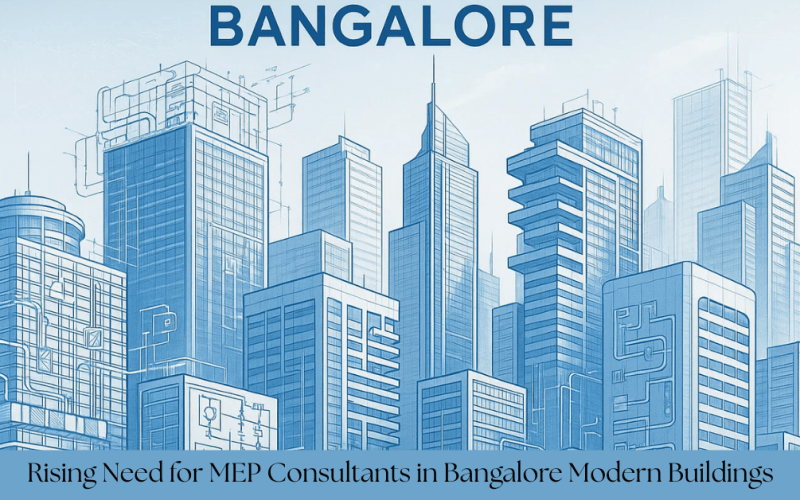
Bangalore is expanding at a pace that often feels like a living case study in urban evolution. Whether it’s high-rise commercial hubs, fast-growing tech parks, healthcare complexes, or large-scale residential townships, the city’s built environment is becoming more complex and more demanding. In this context, Mep Consultants in Bangalore have become indispensable players, ensuring that modern buildings are safe, efficient, sustainable, and aligned with global engineering standards.
What used to be simple construction projects have transformed into highly engineered ecosystems. Today’s buildings need intelligent electrical layouts, fire-safe infrastructure, efficient HVAC systems, energy-optimized mechanical solutions, and water-responsible plumbing networks. All of this has pushed MEP (Mechanical, Electrical, Plumbing) expertise from being an optional value-add to a foundational requirement across the construction sector.
As Bangalore continues its vertical and horizontal expansion, developers and architects increasingly rely on engineering experts capable of delivering smart, resilient, and future-ready building systems.
Why MEP Engineering Matters More Than Ever
Buildings today are not just structures they’re interconnected systems. In high-performance buildings, MEP design governs:
- Energy consumption
- Indoor air quality
- Occupant comfort
- Safety and compliance
- Operational efficiency
- Lifecycle cost control
A poorly designed MEP system can make even the most aesthetically impressive building a long-term liability. On the other hand, a well-planned system enhances user experience, reduces operational costs, and significantly improves sustainability metrics.
Energy efficiency is no longer optional
With rising electricity costs and sustainability commitments, developers are increasingly asking for:
- Energy-efficient HVAC
- Smart lighting automation
- Low-voltage system optimization
- Renewable energy integration
- Building performance analytics
Effective MEP engineering directly translates into long-term savings, making it a strategic investment rather than a construction afterthought.
The Backbone of Modern Development: Core Responsibilities of MEP Experts
1. Mechanical Engineering (HVAC and beyond)
Mechanical engineers design climate-control systems that maintain optimal indoor conditions while minimizing energy use. In Bangalore’s mixed climate—where temperature, humidity, and air quality fluctuate—smart HVAC strategies are essential.
Typical mechanical scope covers:
- Load calculations
- Ventilation planning
- Duct design
- Equipment selection
- Thermal comfort optimization
- Green building compliance
2. Electrical Engineering
Electrical infrastructure must support both essential building functions and advanced digital needs.
Key responsibilities include:
- Power distribution
- Emergency backup systems
- Lighting design
- Earthing & safety mechanisms
- ELV (extra-low voltage) systems
- Energy management systems
Well-engineered electrical systems ensure a building can function without outages, hazards, or excess consumption.
3. Plumbing & Public Health Engineering
Water management is especially critical in Bangalore, where water scarcity and resource pressure are ongoing challenges.
Plumbing responsibilities include:
- Water supply design
- Wastewater management
- Rainwater harvesting
- Sewerage systems
- Pressure management
- Sustainable water planning
Rise of Smart Buildings and the Importance of MEP Integration
Bangalore’s commercial and industrial hubs increasingly demand buildings that can think, respond, and optimize themselves. Integrated MEP systems enable:
- Real-time monitoring
- Intelligent automation
- Predictive maintenance
- IoT-led efficiency improvements
- Data-driven building management
With smart building technology becoming mainstream, MEP integration is no longer just technical—it’s strategic.
How MEP Design Drives Sustainability in Bangalore’s Construction Sector
Environmental consciousness is reshaping India’s construction priorities. Developers aiming for LEED, IGBC, or GRIHA ratings rely heavily on precise MEP planning to:
- Reduce energy use
- Improve water efficiency
- Lower carbon emissions
- Optimize ventilation
- Implement sustainable materials
- Monitor environmental performance
MEP engineering ultimately determines whether a building merely complies with green standards or truly performs.
The Parallel Rise of BIM in Bangalore’s Construction Boom
As building systems grow more complex, traditional 2D drawings struggle to capture spatial conflicts, service clashes, or real-time coordination needs. This is where Building Information Modeling (BIM) has transformed engineering workflows.
BIM is not just software it’s a collaborative engineering process that creates a dynamic, data-rich 3D digital twin of a project. Through BIM, stakeholders can visualize, coordinate, and manage building elements long before physical construction begins.
Key benefits of BIM adoption in Bangalore’s construction ecosystem
- Early clash detection and resolution
- Reduced rework and site delays
- Better coordination between architectural, structural, and MEP teams
- Accurate material estimation
- Lower project costs
- Faster execution
- Enhanced quality control
- More predictable timelines
With Bangalore’s dense structural footprints, BIM dramatically reduces the risk of costly mistakes.
Why Developers Are Embracing BIM for Large Projects
Bangalore’s commercial real estate from Whitefield to Electronic City depends on precision engineering. BIM provides:
- 360-degree visualization
- Real-time updates
- Multi-team collaboration
- Seamless facility management handover
For hospitals, tech parks, data centers, hotels, and industrial facilities, BIM has become a necessity rather than a trend.
MEP + BIM Integration: The New Standard in Bangalore
The most successful modern projects combine MEP expertise with BIM technology to achieve:
- Coordinated design
- Zero-conflict service routes
- Accurate space planning
- Low operational costs
- High serviceability
- Faster approvals
This combined approach gives developers clearer predictability over both project budget and performance outcomes.
What Clients in Bangalore Now Expect from Engineering Partners
Developers and facility owners increasingly demand a high level of accountability and technical sophistication. Expectations include:
- Compliance with global engineering standards
- 100% coordinated drawings
- Knowledge of efficiency benchmarks
- Industry-specific engineering customizations
- Fire & safety compliance
- Sustainability-ready infrastructure
The city’s engineering demands have evolved, and only firms capable of delivering advanced MEP + BIM solutions are keeping up.
Challenges in Bangalore’s Engineering Environment
Even with advanced tools and industry growth, several challenges persist:
- Limited availability of skilled manpower
- Variations in local building codes
- Pressure for fast approvals
- Infrastructure constraints
- High climate-control demand
- Water stress considerations
- Need for future scalability
These challenges make comprehensive engineering insight not just helpful but essential.
The Future of Building Engineering in Bangalore
Bangalore’s next decade of construction will be defined by:
- Smart automation
- Net-zero building aspirations
- Renewable integration
- Digital twins
- Advanced HVAC technologies
- Green building certifications
- Sustainable water systems
Cities that grow as fast as Bangalore eventually hit a point where engineering leadership becomes more important than architectural ambition. That transition is happening now.
As the construction landscape becomes increasingly digital, sustainable, and high-performance-driven, the role of engineering specialists will only expand further. The companies leading this transition are the ones that combine deep domain expertise with advanced modeling technologies. This is why the city’s engineering ecosystem continues to evolve, making room for better standards, higher expectations, and truly modern building practices shaped by collaboration, precision, and innovation.
In that context, the growing synergy between MEP engineering and digital modeling has turned into a defining feature of Bangalore’s development wave. Many developers now prefer working only with firms that adopt this integrated approach, especially for large-scale projects where accuracy, sustainability, and coordination are nonnegotiable. This shift explains the rising demand for Bim Companies in Bangalore, which are now helping shape a smarter and more future-ready urban skyline.