




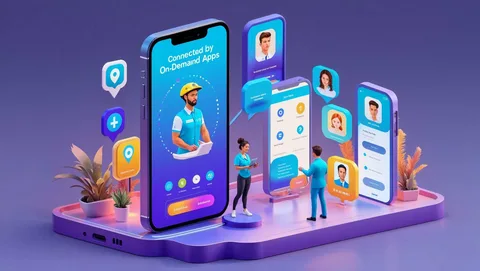
In recent years, multi-service apps like Gojek have transformed how consumers access various services on demand. These platforms consolidate multiple functionalities—such as transportation, food delivery, and payment solutions—into a single application, meeting the fast-paced demands of modern life.
With urbanization accelerating and technology evolving, the desire for efficiency and convenience has surged. This article explores the key factors driving the popularity of multi-service apps, their benefits for consumers and businesses, the challenges they face, and their future outlook.
Understanding Multi-Service Apps: Definition and Evolution
What Are Multi-Service Apps?
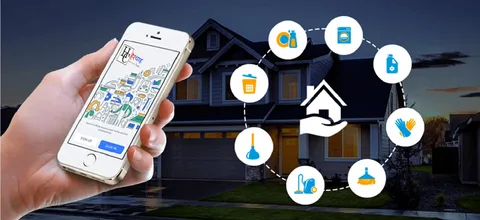
Multi-service apps can be likened to digital Swiss Army knives. They bundle various services into one platform, allowing users to access everything from ride-hailing and food delivery to grocery shopping with a few taps on their smartphones. If it’s on-demand, it’s likely available through one of these applications.
Historical Context and Development
The evolution of multi-service apps is closely tied to the rise of smartphones and a growing desire for convenience. Initially, users had to juggle multiple apps for different services, which often became cumbersome. The advent of platforms like Gojek in Indonesia marked a significant shift, paving the way for other competitors that sought to streamline our digital experiences.
Key Features of Multi-Service Platforms
What makes these apps so appealing? They typically feature user-friendly interfaces, real-time tracking, and integrated payment solutions. This seamless design allows users to shift effortlessly between services—ordering dinner or booking a ride without hassle. Many also offer loyalty rewards, enhancing the user experience with added benefits.
The Rise of the On-Demand Economy: Key Factors Driving Demand
Technological Advancements
The surge in multi-service apps has been propelled by technological advancements. Increased smartphone penetration, faster internet connectivity, and the advantages of cloud computing have simplified the development and maintenance of these complex platforms, enabling unprecedented efficiency.
Changing Consumer Preferences
Today’s consumers prioritize immediacy and convenience. We expect quick access to food, rides, and services, often wanting them at our fingertips. This shift has compelled businesses to adopt multi-service models, meeting our growing need for instant gratification.
The Role of Urbanization
As urban areas expand, the need for efficient services becomes more pronounced. City dwellers often juggle multiple responsibilities, and multi-service apps help condense logistics, making life more manageable.
Benefits of Multi-Service Apps for Consumers
Convenience and Time Savings
In a world where time is increasingly valuable, multi-service apps excel by providing unparalleled convenience. Instead of navigating multiple applications, users can find nearly everything they need in one place, saving time and reducing stress.
Cost-Effectiveness
From a budgeting perspective, multi-service apps frequently offer better deals. Many platforms provide discounts for using their service, making it easier for savvy consumers to save money. Bundling services often leads to lower overall costs.
Diverse Service Offerings
Why go to multiple apps when one can handle it all? Whether you need transportation, a meal, or a handyman, multi-service platforms simplify life by providing a one-stop-shop solution. This cohesive approach enhances the overall user experience.
Advantages for Service Providers and Businesses
Increased Customer Reach
For businesses, multi-service apps are powerful marketing channels. They allow providers to tap into a broader audience, especially beneficial for smaller businesses trying to establish their presence. Simply getting listed can generate considerable visibility.
Data-Driven Insights
Multi-service apps also collect valuable data that can transform business strategies. Insights into consumer behavior enable companies to tailor their offerings, providing a more personalized experience.
Streamlined Operations
By integrating various services, multi-service apps help companies operate more efficiently. This consolidation can reduce complexities and overhead costs, allowing businesses to focus on core competencies.
Gojek: A Case Study in Multi-Service App Success
Founding and Growth of Gojek
Gojek began as a motorcycle ride-hailing service in Indonesia in 2010. Founder Nadiem Makarim aimed to empower local drivers while addressing urban transportation challenges. A decade later, Gojek has grown into a multi-billion-dollar enterprise, offering services such as food delivery and payments.
Key Services Offered by Gojek
Gojek’s offerings resemble a digital Swiss Army knife for city residents. While ride-hailing remains at its core, it has expanded to include food delivery (GoFood) and grocery shopping (GoMart), making everyday life easier.
Impact on the Local Economy
Beyond convenience, Gojek fosters local economic growth by creating jobs for thousands of drivers and delivery partners. This support for local entrepreneurs increases access to a larger customer base, helping small businesses flourish.
Challenges Faced by Multi-Service Platforms
Operational Complexity
Running a multi-service platform involves managing diverse services, timely deliveries, and consistent quality. Coordinating a vast network of drivers and service providers can be challenging.
Regulatory and Compliance Issues
Multi-service apps often navigate complex regulatory landscapes. Different services may be subject to various laws, necessitating careful adherence to local regulations.
Managing Customer Expectations
With multiple offerings, managing customer expectations can become tricky. Customers expect high-quality service across various features, placing pressure on businesses to deliver consistently.
Conclusion: The Future of Multi-Service Apps
The longevity of multi-service apps will depend on their adaptability to consumer needs and market changes. Companies like Gojek have demonstrated remarkable growth, but sustaining this momentum requires balancing expansion with operational efficiency. The future appears promising for these versatile platforms as they navigate challenges and seize new opportunities in a fast-evolving landscape.
Frequently Asked Questions
What are the benefits of using multi-service apps?
Multi-service apps provide convenience, time savings, cost-effectiveness, and access to a wide range of services, enhancing the overall user experience.
How do these apps impact local economies?
They boost local economies by creating job opportunities and supporting small businesses, leading to increased consumer spending.
What challenges do multi-service platforms face?
Key challenges include operational complexity, regulatory compliance, and balancing customer expectations effectively.
Are Multi-Service Apps sustainable?
Their sustainability will hinge on their innovation, adaptability to consumer needs, and ability to navigate market competition.