




Hip replacement surgery has transformed the lives of millions, giving people freedom from pain and a chance to enjoy an active lifestyle again.
For most patients, a hip replacement lasts many years, sometimes even a lifetime.
But like any medical procedure, things don’t always remain perfect forever. Over time, implants can wear out, complications may arise, or new injuries might affect the joint.
In these situations, a second surgery called revision hip replacement becomes necessary.
This article explores why revision hip replacements are performed, what the surgery involves, and what outcomes patients can expect.
What Is a Revision Hip Replacement?
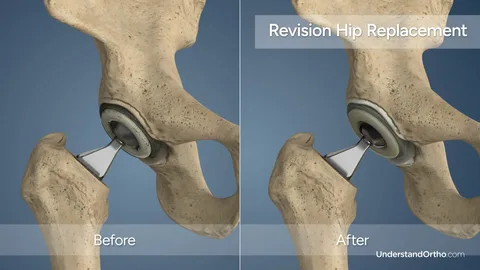
A revision hip replacement is a surgery that replaces or repairs an existing artificial hip joint.
Unlike the first surgery (primary hip replacement), which installs the initial implant, revision surgery involves removing the old components and replacing them with new ones.
Revision surgeries are often more complex than the original operation because of scar tissue, bone loss, or weakened muscles. Still, they are essential in restoring mobility and reducing pain when problems occur.
Why Would Someone Need a Revision?
Implant Wear and Tear
Most modern hip implants are designed to last 15–20 years or longer. However, for younger, more active patients, implants may wear out sooner due to daily use.
Loosening of the Implant
Over time, implants can loosen from the surrounding bone. This may cause pain, stiffness, or instability.
Infection
Even though infections occur in less than 1% of hip replacements, they are a serious reason for revision surgery. Infections may require removing the implant, treating the infection, and then inserting a new prosthesis.
Dislocation
The artificial ball may sometimes slip out of the socket. If this happens repeatedly, revision surgery may be necessary to restore stability.
Fractures Around the Implant
Falls, trauma, or weakened bone can cause fractures around the prosthesis. Revision surgery helps repair the fracture while replacing or reinforcing the implant.
How Common Is Revision Hip Surgery?
According to the Australian Orthopaedic Association National Joint Replacement Registry (AOANJRR):
- Over 50,000 hip replacements are performed each year in Australia.
- Of these, about 8–10% eventually require revision surgery.
- The most common reasons are loosening, infection, and dislocation.
Globally, revision surgeries are expected to increase as populations age and younger patients undergo primary replacements earlier in life.
What Happens During a Revision Procedure?
Pre-Surgical Evaluation
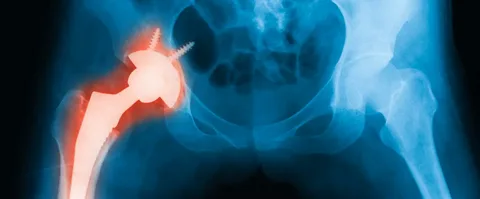
Before surgery, patients undergo X-rays, blood tests, and sometimes CT scans to check implant positioning, bone condition, and overall joint health.
The Surgery Itself
Revision hip replacement typically involves:
- Removing the old implant carefully.
- Repairing or rebuilding bone if there is bone loss.
- Inserting new implants, often larger or specially designed for complex cases.
- Ensuring stability and proper alignment before closing the incision.
Surgery Duration
Because of its complexity, revision hip surgery usually takes longer than a primary replacement often 2–4 hours.
Risks and Challenges
While revision hip replacement is safe, it carries slightly higher risks than the first surgery. These include:
- Infection (1–2%)
- Blood clots
- Nerve injury
- Longer recovery times
- Possibility of further revisions if complications occur
However, with careful planning and experienced surgical teams, the majority of patients achieve excellent results.
Recovery After Revision Hip Replacement
Hospital Stay
Patients usually remain in hospital 3–5 days, though recovery times vary depending on complexity.
Rehabilitation
Physiotherapy begins soon after surgery, focusing on:
- Strengthening muscles around the hip
- Restoring walking ability
- Improving balance and mobility
Return to Normal Activities
- Walking with support: within days
- Daily activities: 6–12 weeks
- Full recovery: often takes 6–12 months
The recovery timeline may be longer compared to a first-time hip replacement due to scar tissue and bone changes.
Patient Outcomes: What the Data Shows
- According to registry data, 80–90% of revision hip replacements last at least 10 years.
- Most patients experience significant improvements in pain relief and mobility.
- Satisfaction rates are slightly lower than primary hip replacements but remain positive for the majority of patients.
Factors That Affect Outcomes
Patient Health
Patients with strong overall health tend to recover more smoothly. Conditions such as diabetes or obesity may prolong recovery.
Reason for Revision
- Revisions due to infection are more complex and may require multiple surgeries.
- Revisions for implant loosening or wear typically have better outcomes.
Surgical Expertise
The experience of the surgical team plays a major role in the success of revision hip replacement.
For those seeking guidance in Western Australia, consulting the best orthopaedic surgeon perth can provide a tailored approach to ensure the best possible outcome.
Living With a Revised Hip
After successful revision surgery, many patients return to an active, pain-free life. While high-impact sports may not be advised, activities such as walking, swimming, golf, and cycling are generally encouraged.
The key is balancing activity with care to protect the new implant for as long as possible.
Conclusion
Revision hip replacement is a vital procedure that helps restore mobility, stability, and quality of life when problems arise with an existing hip implant.
While it is more complex than a first-time replacement, outcomes are generally positive, with most patients regaining independence and enjoying reduced pain.
The decision to undergo revision surgery should always be guided by an experienced orthopaedic surgeon, with careful consideration of health, lifestyle, and long-term goals.
For many, revision hip replacement is the step that allows them to move forward with confidence and comfort.