





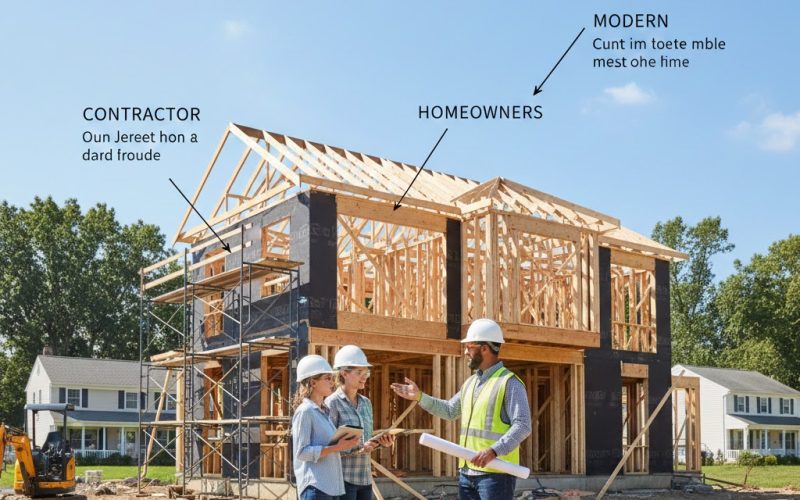
Getting the proper Residential Permits is one of the most crucial steps in any residential construction project in New Jersey.
Whether you are building a new home, renovating an existing property, or adding an extension, securing the correct permits ensures that your project is legal, safe, and in compliance with local regulations.
Without the right permits, homeowners risk fines, project delays, or even being required to undo completed work, which can be costly and stressful.
Understanding the permit process and how long it typically takes can help homeowners plan their projects more effectively and avoid unexpected obstacles.
Permit Processing Time
The time it takes to obtain residential permits in New Jersey varies significantly depending on several factors, including the municipality, the complexity of your project, and the completeness of your application.
On average, homeowners can expect the permit process to take anywhere from two weeks to three months.
In smaller towns with fewer construction projects, permit offices may be able to process applications more quickly. Conversely, larger cities or municipalities with stricter building codes and higher construction activity may take longer to review and approve permits.
Factors Influencing Permit Approval
Type of Permit Required
One of the key factors influencing permit approval time is the type of permit required. For instance, simple renovation projects, such as kitchen upgrades, bathroom remodels, or interior painting, often require minimal review.
These smaller projects may be approved within a few weeks, especially if the homeowner submits all necessary documentation and plans accurately.
In contrast, more extensive construction projects, such as building a new home, adding multiple stories, or creating a major home extension, typically require detailed architectural plans, engineering calculations, environmental assessments, and multiple inspections.
These additional requirements naturally extend the approval timeline, sometimes taking several months.
Zoning and Code Compliance
It is also important to consider zoning and code compliance when planning your project. Every town and municipality in New Jersey has its own zoning regulations and building codes that dictate what can be built, where it can be located on the property, and how it should be constructed.
Zoning regulations may include restrictions on building height, setbacks from property lines, lot coverage, and even the style or design of the home.
Building codes, on the other hand, focus on safety and structural standards, such as electrical systems, plumbing, fire safety, and energy efficiency.
If your proposed project does not fully comply with these local requirements, your permit may be delayed or even denied until the necessary changes are made.
Application Completeness
Another aspect that affects permit timelines is the completeness of your application. Municipal permit offices require detailed documentation, including construction drawings, site plans, engineering reports, and sometimes proof of insurance or contractor licensing.
Missing or inaccurate information can result in back-and-forth communication between the applicant and the permit office, which adds significant delays.
Homeowners who prepare thorough applications upfront typically experience a faster review process.
Working with Professionals
For homeowners who are unfamiliar with the permit process, partnering with a reputable residential construction company in NJ can make a significant difference.
These professionals are experienced in navigating local regulations, submission procedures, and inspection requirements.
They can guide homeowners in preparing accurate plans, identifying potential zoning issues in advance, and submitting applications that meet all municipal requirements.
Expedited Permitting Options
It is also worth noting that some municipalities offer expedited permitting options for certain types of projects. Expedited permits may be available for minor renovations, energy-efficient upgrades, or small-scale construction projects.
However, these programs often require an additional fee and still depend on the accuracy and completeness of your application. Homeowners should check with their local permit office to see if such options are available.
Steps to Streamline the Process
While the timeline for obtaining residential permits in New Jersey can seem daunting, proper planning can significantly reduce delays. Start by researching your municipality’s permit requirements, building codes, and zoning regulations.
Make a checklist of required documents and ensure that your construction plans meet all specifications.
Hiring experienced professionals, such as architects, engineers, or residential construction companies, can help streamline the process and avoid common pitfalls.
Communication with Local Authorities
Furthermore, maintaining clear communication with your local building department is essential. Permit offices are generally willing to provide guidance and clarify requirements, but proactive communication on your part can prevent misunderstandings and reduce approval time.
Ask questions if any instructions are unclear, and promptly provide any additional information requested by the municipal staff.
Conclusion
In conclusion, while the time to secure residential permits in New Jersey varies widely depending on the town, project type, and application completeness, homeowners can take steps to streamline the process.
Simple renovations may be approved within a few weeks, while major construction projects may take several months.
Working with experienced residential construction professionals, preparing thorough documentation, understanding zoning and code requirements, and maintaining open communication with municipal offices can significantly reduce delays.
By taking these proactive steps, homeowners can move their construction projects forward efficiently, avoiding unnecessary setbacks and ensuring compliance with all local regulations.
For more guidance on residential construction projects and permitting requirements, homeowners can consult with a residential construction company in NJ.
Experienced professionals can help navigate the process, ensuring that your project is completed on time, on budget, and in full compliance with New Jersey regulations.
Proper planning, professional support, and attention to detail are the keys to successfully securing permits and bringing your residential construction vision to life.