






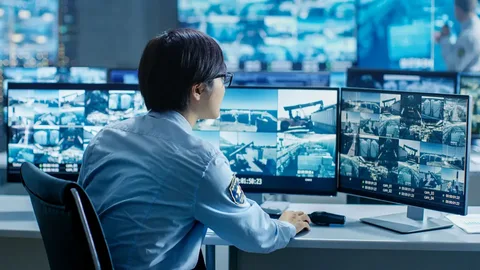
In today’s fast-paced, interconnected world, business security has never been more important. With increasing threats to both physical assets and data, it’s essential for businesses to implement robust security measures that provide real-time visibility and proactive threat detection. One of the most effective ways to achieve this is through remote monitoring solutions.
Remote video monitoring allows businesses to keep an eye on their properties, equipment, and operations from anywhere, at any time. Whether you’re managing a small retail shop or overseeing a large commercial facility, real-time monitoring helps ensure that security is tight, operations are smooth, and potential risks are mitigated before they escalate.
In this blog, we’ll explore how remote monitoring solutions maximize business security and why they’re an essential part of modern security infrastructure.
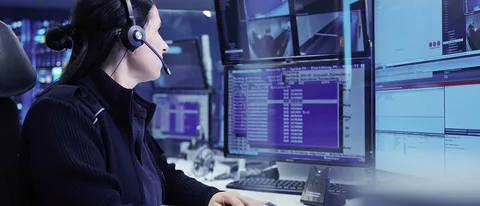
What Is Remote Monitoring?
Remote video monitoring refers to the use of technology to observe and manage systems, assets, or locations from a distance. This can include video surveillance, alarm systems, sensors, and network monitoring, all integrated into a centralized platform that allows business owners, managers, and security personnel to monitor activities in real time.
With the advancement of cloud computing and mobile technology, live remote video monitoring has become more accessible and effective than ever before. It offers real-time alerts, live video feeds, and remote control over security systems, enabling business owners to take immediate action when needed.
The Key Benefits of Remote Monitoring for Business Security
1. 24/7 Surveillance and Protection
Traditional security systems often rely on periodic checks or security personnel on-site, which can lead to gaps in monitoring. Remote monitoring offers around-the-clock surveillance, ensuring that your business is protected at all hours of the day, even when you’re not physically present.
With live video feeds and automated alerts, security teams can continuously monitor your business, detecting any unusual activity or security breaches as soon as they occur. This continuous surveillance reduces the chances of an incident going unnoticed, allowing for a swift response and minimizing potential damage.
2. Real-Time Alerts and Immediate Action
One of the key advantages of remote video monitoring is the ability to receive instant alerts in the event of a security breach or other critical event. Whether it’s an intruder, fire, or system malfunction, remote monitoring systems can send real-time notifications via email, text, or phone call, allowing you to take immediate action.
For example, if motion sensors detect unauthorized movement or if a security camera picks up suspicious activity, the system will instantly alert you or the security team, enabling a quick response. This ability to act in real time can prevent theft, property damage, and other security threats before they escalate.
3. Remote Access to Security Systems
Whether you’re traveling for business or working from home, live video monitoring allows you to access your security systems from anywhere. Many remote monitoring platforms provide mobile apps or web interfaces, giving business owners and managers the ability to control security settings, view live video feeds, and review system logs from their smartphones, tablets, or computers.
This remote access ensures that you always have control over your business’s security, even when you’re not on-site. Whether you need to lock doors, adjust camera angles, or check the status of alarms, you can do it all from the convenience of your mobile device.
4. Improved Asset Protection
For businesses that rely on valuable equipment, inventory, or proprietary data, remote monitoring provides a heightened level of protection. Real-time surveillance allows business owners to keep an eye on assets, even in large or complex facilities, ensuring they are properly stored, maintained, and secured.
For example, warehouses or construction sites with expensive machinery can benefit from remote monitoring to prevent theft or unauthorized use. Likewise, businesses dealing with sensitive information can use monitoring systems to ensure that security protocols are followed at all times, preventing data breaches or unauthorized access to critical information.
5. Cost-Effective Security Solution
While traditional on-site security personnel can be costly, remote video monitoring offers a more affordable alternative. With the ability to monitor multiple locations or large areas remotely, businesses can reduce the need for full-time security staff or physical site visits, saving on labor and operational costs.
In addition to reducing the cost of hiring security guards, remote monitoring systems often reduce the need for expensive, reactive security measures. By detecting issues early, businesses can address potential security threats before they result in costly damages or losses.
6. Enhanced Business Insights
In addition to providing security benefits, remote video monitoring systems offer valuable insights into business operations. For example, video surveillance systems can be used to track foot traffic in retail stores, monitor employee behavior, or assess customer service quality.
In industrial settings, remote monitoring systems can also be used to track equipment performance, identify maintenance needs, and optimize workflows. By collecting data on operational activities, businesses can make informed decisions that improve efficiency, productivity, and safety across all departments.
7. Compliance and Legal Protection
Many industries are subject to specific security regulations and compliance requirements, such as HIPAA for healthcare or PCI-DSS for businesses handling payment information. Remote video monitoring solutions help ensure that your business complies with these regulations by maintaining a detailed log of all security-related activities.
In the event of a legal dispute or investigation, remote monitoring systems provide a valuable record of events, including video footage and sensor data, that can be used as evidence in court. This level of documentation ensures that your business is protected from potential legal issues related to security and compliance.
Selecting the Appropriate Remote Monitoring Solution for Your Company
Selecting the right remote monitoring system depends on the specific needs of your business. There are various features to consider, including:
- Video surveillance: Cameras with high resolution, night vision, and cloud storage capabilities.
- Alarm and motion detection: Sensors that detect unauthorized entry or unusual activity.
- Access control: Systems that allow you to monitor and control who enters your premises.
- Remote access features: The ability to control and view systems from your smartphone or computer.
When choosing a remote monitoring solution, it’s important to work with a professional security provider who can help design and implement a system that fits your needs, scale, and budget.
Conclusion
Remote monitoring solutions are essential for businesses looking to improve security, enhance operational efficiency, and protect valuable assets. With the ability to monitor activities in real-time, receive immediate alerts, and access security systems remotely, business owners can take control of their security infrastructure like never before.
By integrating remote video monitoring into your business, you can reduce the risks of theft, damage, and security breaches while also gaining valuable insights into your operations. Investing in a reliable remote monitoring system ensures that your business is always protected, no matter where you are.
If you’re ready to maximize your business security with video monitoring solutions, contact a trusted provider today to design a customized system that meets your unique needs.