



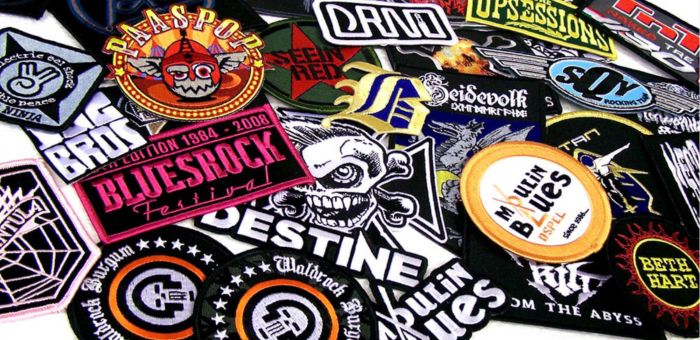
In today’s competitive UK market, strong visual identity plays a key role in how businesses, organizations, and communities are recognized.
From uniforms and workwear to sports kits and fashion accessories, patches remain one of the most effective ways to display logos, names, and symbols.
While embroidered patches have long been a popular choice, PVC patches have become increasingly favoured for their durability, flexibility, and modern appearance. PVC Patches UK provide a long-lasting and professional solution that works well across many industries.
This blog explores what PVC patches are, why they are ideal for use in the UK, and how they can add value to your branding.
What Are PVC Patches
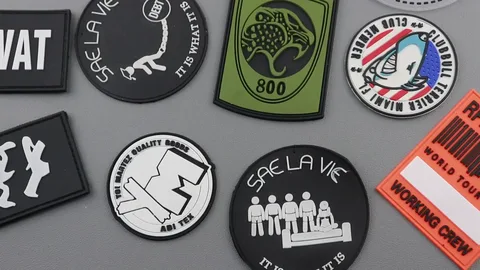
PVC patches are made using polyvinyl chloride, a flexible yet strong plastic material. Unlike traditional embroidered patches that use threads stitched into fabric, These patches are produced through a molding process.
A custom mold is created from the design, and liquid PVC is layered into the mold to form the final patch.
This technique allows for raised details, clean edges, and layered colors.
The result is a three-dimensional patch that looks bold, modern, and professional. PVC patches do not fray, unravel, or lose their shape, even with frequent use, making them ideal for long-term applications.
Why PVC Patches Are Perfect for the UK Climate
The UK is known for its unpredictable weather, including frequent rain, damp conditions, and temperature changes. These factors can quickly affect fabric-based patches, causing them to fade, weaken, or absorb moisture. PVC are waterproof and weather-resistant, making them a practical choice for year-round use.
Because PVC does not absorb water or dirt, patches maintain their color, structure, and clarity even after repeated washing or outdoor exposure. This makes patches especially suitable for uniforms, workwear, and outdoor clothing commonly used across the UK.
Benefits of PVC Patches
One of the biggest advantages of these patches is their durability. They are designed to withstand daily wear and tear without cracking, peeling, or fading. For businesses and organizations, this durability reduces the need for frequent replacements and helps lower long-term costs.
PVC patches also offer excellent design flexibility. They can be produced in almost any shape, size, or color. Raised logos, layered text, and detailed designs can be created with precision, allowing brands to represent their identity accurately and creatively.
Another important benefit is easy maintenance. These patches are non-absorbent and simple to clean. Dirt, grease, and stains can be wiped away easily, helping garments maintain a clean and professional appearance.
Visually, PVC patches provide a modern and premium finish. Their depth and texture help designs stand out more clearly compared to flat or embroidered alternatives.
Popular Uses of PVC Patches UK
PVC patches are widely used across many sectors in the UK. In corporate and industrial environments, companies add them to staff uniforms, jackets, and safety clothing. Industries such as construction, manufacturing, logistics, and transport rely on patches for their durability and visibility.
Security services, emergency responders, and tactical teams frequently use PVC patches for identification and branding. Velcro-backed patches are especially popular in these fields, as they allow patches to be removed, replaced, or updated quickly.
Sports teams and training organizations also benefit from PVC patches. Football clubs, rugby teams, martial arts schools, and fitness brands use them on kits and outerwear because they withstand frequent washing and physical activity.
In the fashion and streetwear industry, PVC patches have become a bold design element. Designers use them on jackets, hoodies, caps, backpacks, and accessories to add a contemporary and eye-catching look.
Outdoor groups, motorcycle clubs, and adventure communities prefer PVC patches for their resistance to rain, mud, and wear, ensuring designs remain clear and intact in challenging environments.
PVC Patch Backing Options
Choosing the right backing is essential to ensure the patch performs as intended. Sew-on backing is ideal for permanent attachment to clothing, bags, and equipment.
Velcro backing is perfect for uniforms and tactical gear that require interchangeable patches. Iron-on backing works well for casual garments but may not be suitable for heavy-duty use. Adhesive backing is best for temporary branding, events, or promotional applications.
Selecting the correct backing helps improve durability and ease of use.
Designing Custom PVC Patches
When designing patches, clarity and simplicity are key. Clean designs with strong contrast usually produce the best results. Very small text or overly complex artwork may lose impact when translated into a molded format.
The size and thickness of the patch should match its intended placement. Thicker patches offer a bold and solid feel, while thinner patches provide greater flexibility and comfort.
Working with an experienced Patches UK supplier can help refine designs, choose suitable materials, and ensure consistent, high-quality results.
PVC Patches vs Embroidered Patches
Embroidered patches offer a traditional look, but they may not perform well in wet or demanding conditions. Threads can fray, fade, or absorb moisture over time. Patches are waterproof, more durable, and maintain sharper detail.
For organizations that need patches to last longer and remain visually consistent, patches are often the better choice.
Conclusion
PVC patches have become one of the most reliable and versatile branding solutions in the UK. Their durability, weather resistance, customization options, and modern appearance make them suitable for businesses, sports teams, security services, and fashion brands alike.
If you are looking for a strong, professional, and long-lasting branding solution, PVC Patches UK offer excellent value and visual impact. With the right design and a trusted supplier, custom PVC patches can enhance brand identity, improve visibility, and leave a lasting impression.