






Hair loss has become a widespread concern for both men and women, impacting confidence, appearance, and overall quality of life. Whether triggered by genetics, hormonal imbalances, stress, or environmental factors, thinning hair often feels like a silent struggle that unfolds gradually.
Fortunately, advancements in aesthetic medicine have introduced both non-surgical and surgical options, helping individuals restore hair health and regain their self-assurance. Understanding these solutions and how they work is the first step toward making informed decisions about your hair restoration journey.

The Surge in Popularity of PRP Hair Treatment
Among modern solutions, PRP Hair Treatment (Platelet-Rich Plasma) in Islamabad has gained significant attention due to its natural approach and promising outcomes. This innovative therapy utilizes the patient’s own blood plasma, enriched with growth factors, to stimulate dormant hair follicles and enhance scalp health.
By tackling the root causes of hair thinning rather than merely masking the issue, PRP treatment appeals to those seeking minimally invasive, scientifically supported options that align with the body’s natural healing processes.
Understanding the Root Causes of Hair Loss
Hair loss rarely manifests overnight. It usually results from a combination of factors that weaken hair follicles over time. Genetics play a substantial role, especially in hereditary conditions like androgenetic alopecia that affect men and women alike.
Hormonal fluctuations—such as those experienced during pregnancy, menopause, or due to thyroid issues—can disrupt the natural hair growth cycle. Additionally, nutritional deficiencies, chronic stress, and underlying medical conditions can contribute to increased hair shedding.
Let’s not overlook environmental influences. Pollution, harsh hair products, and excessive heat styling can damage both the scalp and hair shaft, leading to breakage and thinning.
Identifying underlying causes is crucial because effective treatment depends on addressing the specific triggers. A personalized assessment can determine whether regenerative therapies, lifestyle changes, or advanced procedures are the most suitable options.
How PRP Therapy Supports Hair Regrowth
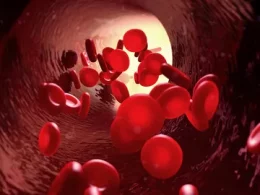
PRP therapy works by harnessing the regenerative power of platelets found in the blood. These platelets are rich in growth factors that promote cell repair and tissue regeneration.
During the procedure, a small amount of blood is drawn, processed to isolate the plasma, and then injected into targeted areas of the scalp. This process stimulates blood circulation while revitalizing dormant hair follicles.
One of the key benefits of PRP therapy is its use of the body’s own biological material, significantly minimizing the risk of allergic reactions or complications.
Many patients report reduced hair fall, improved thickness, and healthier scalp conditions over time. While individual results may vary, consistent sessions combined with proper aftercare can lead to notable enhancements in overall hair density.
Who Can Benefit from PRP Hair Therapy?
PRP therapy is ideally suited for individuals experiencing early to moderate hair thinning, not those who are completely bald.
It is often recommended for people aiming to strengthen existing hair and slow further loss. Men and women who notice widening parts, thinning crowns, or increased shedding during grooming may find this treatment especially beneficial.
Moreover, PRP therapy is a fantastic option for people who prefer to avoid surgical interventions or wish to complement other hair restoration methods.
Given its minimally invasive nature, recovery time is short, allowing patients to return to their daily activities quickly. A professional consultation ensures realistic expectations and tailored treatment plans based on individual needs.
The Treatment Experience and Recovery
The PRP hair treatment process is straightforward and typically completed within an hour. Patients may experience mild discomfort during the injections, but this is usually manageable. After the session, slight redness or sensitivity on the scalp may occur, subsiding within a day or two.
Recovery is generally uncomplicated, with minimal restrictions. Patients are often advised to avoid washing their hair for a brief period and to follow specific aftercare instructions to maximize results.
Improvements are usually gradual, becoming noticeable after a few weeks as the hair growth cycles respond to the treatment. Multiple sessions might be recommended for optimal outcomes.
Long-Term Results and Maintenance
Hair restoration is not merely a one-time event; it is an ongoing process. While PRP therapy can significantly enhance hair quality, maintenance sessions may be required to sustain the results.
Lifestyle factors, including balanced nutrition and stress management, also play crucial roles in preserving hair health. Consistency is key when it comes to long-term success.
Combining PRP therapy with dermatologist-recommended products and healthy habits can significantly enhance the durability of results. Patients who commit to follow-up sessions and diligent scalp care routines often report prolonged improvements in hair thickness and strength.
Comparing PRP with Other Hair Loss Solutions
The hair restoration landscape offers a variety of solutions, from topical medications to advanced surgical procedures. PRP therapy distinguishes itself through its regenerative nature and minimal downtime. Unlike medications requiring daily use and potentially causing side effects, PRP focuses on stimulating the body’s natural growth mechanisms.
However, it is essential to remember that PRP may not suffice for individuals with extensive hair loss. In such instances, a combination of treatments or surgical options may yield better results. Understanding the strengths and limitations of each approach equips patients to choose the most effective path for their specific condition.
Psychological Impact of Hair Restoration
Hair loss affects more than just appearance; it can significantly impact self-esteem and social confidence. Restoring hair often leads to noticeable improvements in emotional well-being.
Many individuals report feeling more confident in both personal and professional interactions after addressing their hair concerns.
The psychological benefits of hair restoration underscore the importance of choosing treatments aligned with individual goals and comfort levels. A supportive clinical environment and realistic expectations contribute to a positive overall experience, making the journey toward hair recovery both empowering and rewarding.
Making an Informed Decision for Your Hair Journey
Selecting the right hair restoration solution necessitates careful consideration of factors such as hair loss severity, budget, lifestyle, and long-term aspirations.
Professional guidance ensures patients fully understand the procedures, expected outcomes, and ongoing maintenance requirements. Transparency and education are integral parts of a successful treatment strategy.
For individuals with advanced hair loss or those seeking a more permanent solution, Hair Transplant in Islamabad remains a popular option that complements non-surgical treatments and offers lasting results when performed by skilled professionals.