




When you work with antibodies, precision is everything. Whether you are conducting immunoprecipitation, antibody purification, or diagnostic assays, binding accuracy directly affects your results. If your binding step is inconsistent or inefficient, your downstream data becomes unreliable. That is where Protein G magnetic beads become an essential tool in your workflow.
By integrating magnetic bead technology with the high affinity of Protein G for immunoglobulins, you gain better control, cleaner separation, and more reproducible results. In this article, you will explore how these beads improve binding accuracy and how you can use them effectively in your lab.
Understanding Protein G Magnetic Beads
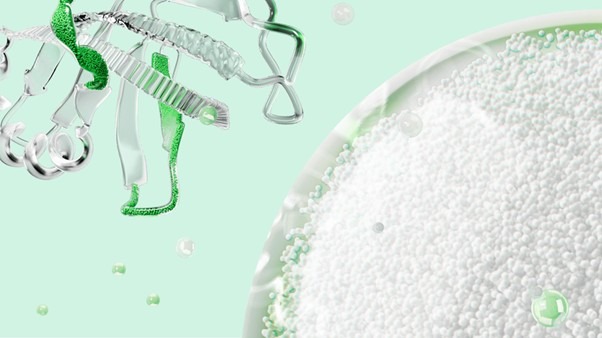
Protein G is a bacterial cell wall protein known for its strong and selective binding to the Fc region of IgG antibodies. When immobilized on magnetic beads, it enables rapid and highly specific antibody capture.
Unlike traditional agarose-based systems, magnetic beads allow you to separate bound and unbound components using a magnet instead of centrifugation. This reduces sample loss and improves consistency.
If you are looking for a reliable solution, consider using high-performance Protein G magnetic beads for precise antibody binding applications to enhance your lab workflows.
Why Binding Accuracy Matters in Your Experiments
Binding accuracy is not just about capturing antibodies—it’s about capturing the right antibodies in the right amount without contamination. Poor binding accuracy can lead to:
- Non-specific interactions
- Loss of target proteins
- Reduced reproducibility
- Increased background noise
When you use Protein G magnetic beads, you significantly reduce these risks because of their specificity and controlled binding environment.
How Protein G Magnetic Beads Improve Binding Accuracy
High Affinity and Specificity for IgG
Protein G has a strong affinity for a wide range of IgG subclasses across multiple species. This means you can confidently capture your target antibodies without worrying about weak or inconsistent interactions.
Because of this specificity, you minimize non-specific binding, which directly improves accuracy.
Uniform Surface Chemistry
Magnetic beads provide a highly uniform surface for Protein G immobilization. This consistency ensures that every bead behaves similarly during binding.
As a result, you achieve:
- Predictable binding kinetics
- Consistent antibody capture
- Reduced experimental variability
Rapid Magnetic Separation
Traditional centrifugation steps can disturb binding interactions and cause sample loss. Magnetic separation, on the other hand, is gentle and fast.
You simply apply a magnet, and the beads separate instantly. This helps you:
- Preserve weak but specific interactions
- Avoid pellet disruption
- Maintain binding integrity
Reduced Background Noise
One of the biggest challenges in antibody-based assays is background interference. Protein G magnetic beads help reduce this issue by:
- Limiting non-specific adsorption
- Enabling efficient washing steps
- Providing clean separation of bound complexes
This leads to clearer, more accurate results in downstream analysis.
Optimized for Small Sample Volumes
If you are working with limited or precious samples, accuracy becomes even more critical. Magnetic beads allow you to perform efficient binding even in small volumes.
This ensures that you:
- Maximize yield from minimal input
- Maintain high sensitivity
- Reduce waste
Compatibility with Automation
Modern laboratories increasingly rely on automated systems. Protein G magnetic beads integrate seamlessly with robotic platforms, ensuring consistent handling and minimizing human error.
Automation further enhances binding accuracy by:
- Standardizing protocols
- Reducing variability
- Improving reproducibility
Practical Tips to Maximize Binding Accuracy
To get the best results from Protein G magnetic beads, you should follow a few best practices:
Optimize antibody concentration
Too much or too little antibody can affect binding efficiency. Always determine the optimal ratio for your assay.
Use proper washing buffers
Buffers with appropriate salt concentrations help remove non-specific interactions without disrupting specific binding.
Control incubation time
Allow enough time for binding but avoid over-incubation, which may increase background noise.
Maintain gentle mixing
Avoid harsh agitation, as it can disrupt bead-antibody interactions.
Validate your protocol
Run controls to ensure that your binding is specific and reproducible.
Choosing a Reliable Provider
The quality of your beads plays a major role in your results. Not all products are created equal, so it’s important to source them from a trusted provider.
You can explore advanced purification solutions from Lytic Solutions, LLC for high-quality protein research tools and services, ensuring that your experiments are supported by reliable materials.
Applications Where Binding Accuracy Is Critical
Protein G magnetic beads are widely used in applications where precision matters:
- Immunoprecipitation (IP)
- Co-immunoprecipitation (Co-IP)
- Antibody purification
- Western blot sample preparation
- Diagnostic assays
In each of these applications, improved binding accuracy translates to better data quality and more reliable conclusions.
FAQs About Protein G Magnetic Beads
What makes Protein G magnetic beads better than agarose beads?
Protein G magnetic beads provide faster separation, reduced sample loss, and more consistent binding due to their uniform surface and magnetic handling.
Can Protein G magnetic beads bind all antibody types?
They primarily bind IgG antibodies with high affinity. However, binding efficiency may vary depending on the species and subclass of the antibody.
How do I improve binding efficiency in my assay?
You can improve binding by optimizing antibody concentration, adjusting buffer conditions, and ensuring proper incubation time and mixing.
Are Protein G magnetic beads reusable?
In some cases, they can be reused after proper regeneration, but repeated use may reduce binding efficiency and accuracy.
Why is magnetic separation better for binding accuracy?
Magnetic separation is gentle and minimizes sample disturbance, preserving specific interactions and reducing variability.
Final Thoughts
When accuracy matters in your antibody-based experiments, Protein G magnetic beads offer a clear advantage. By combining high specificity with efficient magnetic handling, they help you achieve cleaner separations, reduced background noise, and highly reproducible results.
If you want to elevate your experimental precision, adopting high-quality Protein G magnetic beads is not just an option—it’s a strategic upgrade to your entire workflow.